

James Maitland is a visionary in the realm of medical technology, specializing in how robotics and the Internet of Things are fundamentally altering patient outcomes. With a career dedicated to the integration of complex diagnostic systems, he provides a seasoned perspective on the financial and

The modern healthcare industry is currently navigating a financial landscape where the difference between an operational surplus and a crippling deficit often hinges on a few percentage points of revenue accuracy. With inflation significantly impacting labor costs and supply chain logistics in

The vulnerability of modern healthcare infrastructures was laid bare recently when Partnered Health, a cornerstone of Australia's medical network, suffered a sophisticated cyberattack that breached its clinical databases. This intrusion did not just disrupt administrative functions but effectively
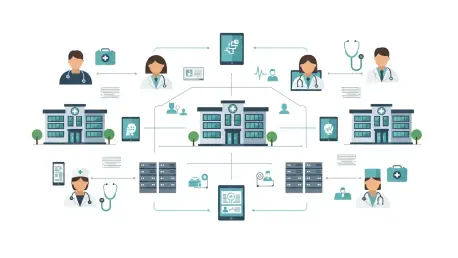
The Umbutfo Eswatini Defence Force (UEDF) has recently published a comprehensive assessment of its medical services, revealing a complex landscape where high-level clinical achievements are currently being tested by persistent administrative and logistical constraints. While the military health

James Maitland stands at the forefront of the intersection between medical robotics and the Internet of Things, bringing a visionary perspective to how we monitor and maintain the human body. With a career dedicated to developing high-fidelity sensors and integrated healthcare systems, he has

Hospitals and health systems currently navigate a complex digital labyrinth that often obscures rather than clarifies the path toward effective patient care and institutional excellence. Despite the massive investments in Electronic Health Record systems over the last decade, the healthcare