
Healthcare providers currently spend approximately 700 hours annually navigating the administrative complexities of prior authorization, stealing critical time from direct patient interaction. This staggering burden represents just one facet of a fragmented system where digital tools often complicate rather than simplify the daily tasks of frontline clinicians. Despite the proliferation of electronic health records and mobile health applications, many nursing units remain dependent on legacy communication methods like manual fax machines and cumbersome paper clipboards to bridge information gaps. This disconnect highlights a fundamental flaw in traditional technology development, where systems were frequently imposed from the top down without sufficient regard for clinical workflow. The emergence of the CMS Health Tech Ecosystem marked a pivotal shift in this dynamic, inviting nurses to the center of federal policy and design discussions. By leveraging the frontline expertise of those who navigate these systems most intimately, the healthcare industry began to move toward a more integrated model. This collaborative framework recognized that the most effective digital innovations are those designed alongside the clinicians who use them, ensuring that technology serves as a facilitator of care. This movement acknowledged that nurses are not just end-users but are the primary bridge between complex technical standards and the practical delivery of care at the bedside.
Bridging Gaps Through Standardization and Data Mobility
The modernization of the healthcare infrastructure relies heavily on the implementation of universal technical standards, specifically Fast Healthcare Interoperability Resources (FHIR). By 2026, over 700 healthcare organizations and major electronic health record developers have committed to a shared pledge to align their software architectures around these standards. This massive collective effort is designed to dismantle the data silos that traditionally prevented vital patient information from moving seamlessly between hospitals, specialist clinics, and home health agencies. For nursing professionals, the inability to access a patient’s full medical history during a critical transition of care is not merely an inconvenience but a significant safety risk. Standardized data mobility ensures that medication lists, allergy warnings, and previous treatment plans are immediately available at the point of care, regardless of where the data originated. This shift away from proprietary, closed-loop systems toward a transparent ecosystem allows for a more holistic view of patient health. Nurses play a vital role in this transition by acting as the primary validators of data accuracy at the bedside, ensuring that the technical interoperability achieved in the back-end translates into safer, more efficient clinical practice for every patient encounter.
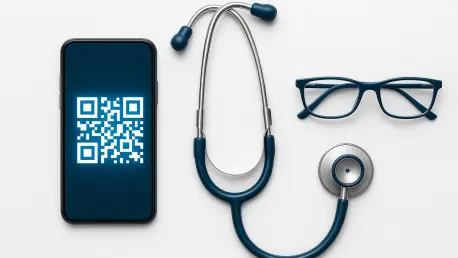
One of the most impactful applications of these technical standards is the “Kill the Clipboard” movement, an initiative that has drastically reduced the reliance on redundant paper-based intake processes. By adopting digital tools like SMART Health Cards and secure QR code exchanges, patients can now maintain and share their own verified health records directly with their care teams. This decentralization of data ownership empowers patients while simultaneously relieving nurses of the error-prone task of manual data entry from handwritten forms. In high-pressure environments such as emergency departments or intensive care units, having instant access to accurate historical data through a quick scan can be the difference between a timely intervention and a dangerous medical error. This evolution in data mobility reflects a broader trend toward patient-centric technology that respects the time and expertise of the clinical workforce. As nurses continue to champion these digital alternatives, they help to build a system where information flows as freely as the patients themselves. The transition to a paperless environment is not simply about eliminating physical clutter; it is about creating a streamlined, digital-first foundation that allows nurses to focus their energy on the complex emotional and physical needs of the people under their care.
Streamlining Workflows and Eliminating Administrative Waste
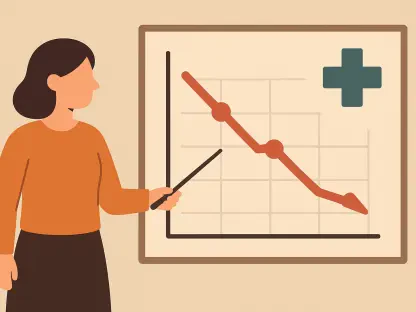
Addressing the administrative friction inherent in modern medicine requires a direct assault on the antiquated processes that consume valuable clinician hours. A primary target for this transformation is the automation of prior authorization, a process that historically required nurses and administrative staff to spend upwards of 13 hours per week managing phone calls, faxes, and manual portals. By establishing end-to-end electronic communication loops between healthcare providers and insurance payers, the ecosystem is successfully digitizing these requests. This automation goes beyond simply converting paper forms into PDFs; it involves the creation of intelligent systems that can verify coverage and medical necessity in real-time based on standardized clinical data. When these administrative hurdles are removed, the resulting efficiency gains allow nursing staff to reclaim hundreds of hours each year. This reclaimed time is essential for addressing the rising complexities of patient care and reducing the high rates of professional burnout that have plagued the industry. The successful modernization of these workflows depends on the active participation of nurses who can identify the specific bottlenecks and pain points within the authorization process. Their insights ensure that automated solutions are not just technically sound but are also operationally viable within the fast-paced environment of a modern medical facility.
Beyond the immediate benefits of time savings, the elimination of administrative waste contributes to a more resilient and responsive healthcare system. The movement toward digital authorization and automated documentation facilitates a more proactive approach to care delivery, where treatment delays are minimized and patient throughput is optimized. This operational efficiency is particularly critical in large-scale health systems where even minor delays in approval can lead to significant backlogs in surgery schedules or discharge planning. Nurses, as the primary coordinators of patient movement through the system, are uniquely positioned to oversee the integration of these automated tools into daily routines. By advocating for systems that prioritize ease of use and clinical relevance, they help to ensure that technology serves to enhance rather than obstruct the care process. The shift toward a frictionless administrative environment also improves the overall accuracy of healthcare billing and compliance, as automated systems reduce the likelihood of human error in documentation. This comprehensive approach to streamlining workflows underscores the importance of viewing health technology as a tool for workforce support. As the ecosystem evolves through 2026 and 2027, the focus remains on creating a digital environment where the administrative burden is invisible, allowing the human connection between nurse and patient to remain the central focus.
Redefining the Nurse’s Role in Technological Design
The true transformation of the health tech landscape requires a fundamental shift in how nursing expertise is utilized during the product development lifecycle. Historically, technology developers viewed nurses as end-users who needed to be trained on a finished product, rather than essential co-designers who should shape the tool from its inception. This legacy model often resulted in software that was technically impressive but practically unusable in a clinical setting, leading to workarounds and safety gaps. To rectify this, the industry has begun to embrace a collaborative approach where nurses are involved in the initial problem-definition phase. By identifying clinical risks, workflow inefficiencies, and safety concerns early in the design process, nurse-designers can help create solutions that are intuitively aligned with the realities of bedside care. This “frontline wisdom” is invaluable for developers who may lack direct experience with the physical and mental demands of patient care. Involving more clinical voices in the boardroom and the engineering lab ensures that the resulting tools are built with a deep understanding of the environment in which they will operate. This shift toward clinician-led innovation represents a move away from the traditional siloed approach to technology, fostering a culture where technical solutions are born from clinical needs rather than manufactured in a vacuum.
Furthermore, the health tech ecosystem must prioritize the development of workforce-facing technologies that directly address the safety and well-being of the nursing staff. Innovation should not be limited to patient-facing diagnostics or administrative automation; it must also encompass tools for smarter scheduling, workplace violence prevention, and professional recruitment. The health of the entire healthcare system is inextricably linked to the physical and mental health of the nursing workforce. For instance, the implementation of wearable safety devices and real-time location systems can provide an extra layer of protection for nurses working in high-risk environments, ensuring that help is always a button-press away. Similarly, AI-driven scheduling platforms can help create more equitable and flexible work environments that respect personal time and prevent exhaustion. By focusing federal and private sector attention on these workforce challenges, the ecosystem can foster a more sustainable and supportive environment for clinicians. This holistic view of technology recognizes that an optimized and empowered nurse is a prerequisite for high-quality patient outcomes. As the industry moves forward, the success of any technological advancement will be measured by its ability to protect and retain the professionals who form the backbone of the healthcare delivery system, ensuring they have the tools they need to succeed.
Cultivating a Collaborative Future for Clinical Innovation
The collective efforts to integrate nursing expertise into the technical framework of healthcare demonstrated that true innovation was achieved only through deep, cross-disciplinary collaboration. By moving beyond a culture of rigid regulation and toward a voluntary model of partnership, stakeholders successfully aligned government agencies, tech developers, and frontline clinicians around a shared vision for the future. Nurses transitioned from being passive recipients of technology to active leaders who drove the adoption of standards like FHIR and the elimination of administrative hurdles through automated authorization loops. This involvement ensured that digital tools were not just technically functional but were deeply rooted in the practical realities of patient safety and clinical efficiency. The shift toward decentralized data and “Kill the Clipboard” initiatives effectively returned ownership of health information to patients and the providers who cared for them, reducing the friction that once defined the medical experience. Ultimately, the industry learned that the most resilient health tech systems were those built with the wisdom of the frontline. The path forward required a sustained commitment to bringing more chairs to the table, ensuring that the clinical voice remained central to every technological advancement. These actions created a foundation for a more connected and efficient healthcare landscape where technology finally served as a silent, supportive partner in the delivery of human-centered care.