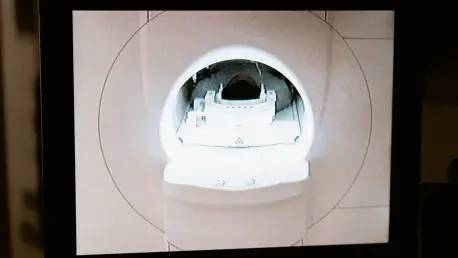
The deployment of medical imaging AI is often hindered by inconsistent scanner hardware and varying imaging protocols that require labor-intensive manual intervention for every new study. This fragmentation has long served as a barrier to the seamless integration of digital health tools within
Proponents of medical AI argue that the technology will eventually unlock new dimensions of perception, such as seeing abnormalities invisible to the human eye. This optimistic view is currently fueling a fundamental reorganization of how the United States federal government approaches healthcare

Data from the Centers for Disease Control and Prevention indicates that approximately one in eight women report symptoms of postpartum depression after childbirth. This statistic represents a profound systemic failure in modern medicine where the identification of risk does not always translate
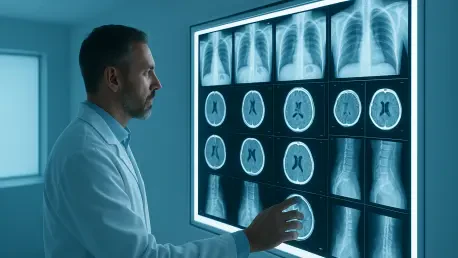
When a machine interprets a patient’s life-altering medical scan, the silent question echoing through the halls of modern hospitals is no longer whether the technology works, but rather who is actually watching the watcher. This fundamental uncertainty has prompted the Food and Drug Administration

The landmark trial involving 147 female university students demonstrated that peer-led interventions are as effective as clinical therapy in mitigating high-level body concerns. In an environment where social pressures are increasingly amplified by digital media, the psychological well-being of

Patients living in remote regions like Northern New England often endure six to eight hours of travel time for a single follow-up appointment with an inflammatory bowel disease specialist. This logistical burden frequently creates a ripple effect of missed appointments and worsening symptoms, as