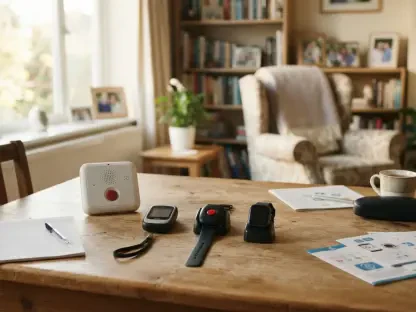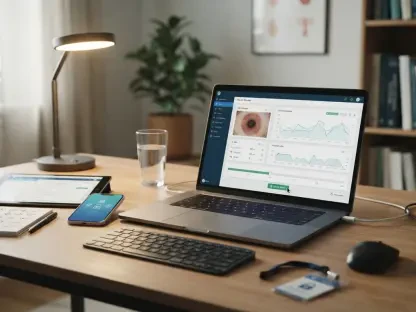

Rural patients like Dianne Williams in Georgia have successfully managed chronic hypertension through daily data transmission and feedback loops provided by remote monitoring technology. This breakthrough in decentralized healthcare is currently at the center of a high-stakes debate as the Centers for Medicare & Medicaid Services evaluates a sweeping regulatory shift. The proposed rule seeks to fundamentally overhaul the reimbursement structure for remote patient monitoring by restricting payments solely to providers who perform all clinical services in-house. While the technology serves as a vital bridge for thousands of patients, federal regulators are increasingly concerned about the potential for financial exploitation and fragmented care delivery. This tension highlights a critical juncture in American medicine, where the drive for technological efficiency meets the necessity of stringent government oversight to maintain the integrity of the federal safety net in the current environment.
Clinical Success and Regulatory Concerns
Impact of Monitoring on Patient Outcomes
The efficacy of remote patient monitoring is most visible in its ability to transform chronic disease management from a series of reactive appointments into a proactive, continuous care model. For individuals residing in medically underserved areas, the daily transmission of physiological data—such as blood glucose levels or arterial pressure—creates a digital safety net that bridges the gap between traditional office visits. This consistent stream of information allows clinical teams to recognize dangerous trends before they necessitate hospitalization, fostering a sense of security for patients who might otherwise feel isolated by their geography. Beyond the clinical data, the psychological impact of knowing a professional is reviewing one’s health status daily cannot be overstated, as it reinforces the patient’s commitment to their own wellness. The system functions as an early warning apparatus that identifies health declines long before symptoms become severe.
Behavioral Modification and Health Stabilization
Implementation of these digital tools has been shown to drive significant behavioral modifications that are essential for long-term health stabilization. When patients see the immediate numerical impact of dietary choices or physical activity reflected in their daily reports, they are more likely to adhere to prescribed medication schedules and lifestyle changes. This real-time feedback loop transforms passive recipients of care into active participants in their treatment plans, which is a cornerstone of modern preventative medicine. By integrating these tools into daily routines, providers can offer tailored coaching that addresses specific patient needs in the moment, rather than relying on retrospective accounts during quarterly check-ups. The result is a more dynamic and responsive healthcare relationship that prioritizes wellness over intervention, effectively reducing the overall burden on the broader medical infrastructure by preventing acute health crises.
Addressing Fraud and Fragmented Healthcare
Despite documented clinical successes, federal oversight bodies have expressed mounting concerns regarding the rapid and sometimes unregulated expansion of the remote monitoring sector. Reports from the Office of Inspector General have highlighted instances where the explosive growth in billing has not always correlated with improved patient outcomes or increased physician involvement. Regulators argue that the current system allows for a degree of fragmentation that could undermine the quality of care, particularly when third-party vendors handle the majority of patient interactions. In these scenarios, the person analyzing the data and providing health coaching often lacks an established, long-term relationship with the treating physician or the patient. This disconnect creates a risk where medical advice might be given in a vacuum, potentially conflicting with the comprehensive care plan developed by the primary clinician, thereby complicating the patient’s journey.
Systemic Risks and Oversight Challenges
There is also a significant concern regarding the emergence of “pass-through” arrangements, where medical practices may be tempted to view remote monitoring as a passive revenue stream rather than a clinical service. Federal officials have observed patterns where physicians contract with technology firms that provide the hardware, the software, and even the nursing staff to monitor the data, leaving the doctor with minimal engagement in the actual process. This model raises questions about the justification for Medicare reimbursements if the primary provider is not actively involved in the diagnostic or therapeutic decisions based on the transmitted information. To combat these risks, the proposed CMS rule aims to ensure that the professional responsible for the patient’s care is also the one overseeing the monitoring process. The goal is to eliminate the commoditization of patient data and return the focus to a clinically integrated model where technology serves as a tool for the physician.
Economic and Geographic Divide
Crisis Facing Rural Health Infrastructure
For rural healthcare facilities, the proposed regulatory changes represent a potential existential threat to the digital infrastructure they have built over the past several years. Many community health centers and small clinics in remote regions operate on extremely thin margins and face chronic staffing shortages, making it nearly impossible to manage large-scale monitoring programs internally. These organizations rely on external technology partners to provide the necessary specialized staff and advanced software platforms required to process thousands of daily data points efficiently. For these providers, outsourcing is not a matter of convenience but a fundamental necessity for maintaining a high standard of care for a dispersed population. If the ability to contract with these specialized firms is prohibited, many rural clinics may find themselves unable to sustain their programs, effectively cutting off thousands of vulnerable patients from a vital layer of medical support.
Resource Constraints in Underserved Areas
Potential withdrawal of these services could lead to a significant regression in health equity for rural Americans who already face numerous barriers to accessing quality medical care. Remote monitoring has acted as a stabilizer in regions where the nearest specialist might be hours away, providing a level of oversight that was previously unattainable. Without the support of third-party vendors who provide the technical logistics and initial data triaging, the administrative burden on rural clinicians would likely become insurmountable. This could result in a scenario where only large, urban health systems with significant capital can afford to offer remote care, further widening the gap between different geographic demographics. The irony of the proposed rule is that it may inadvertently dismantle the very systems that have been most effective at reaching populations that the traditional healthcare model has historically struggled to serve in a meaningful way.
Explosive Growth in Medicare Spending
The financial scale of remote patient monitoring has seen a meteoric rise, with data indicating that enrollment in traditional Medicare programs increased tenfold within a short span ending in the current year. Federal spending on these services mirrored this trajectory, jumping from a modest few million dollars to nearly two hundred million dollars annually as the technology became more ubiquitous. While this growth reflects the rapid adoption of digital health tools by both providers and patients, it has also triggered alarms among fiscal hawks who worry about the long-term sustainability of the program. Critics suggest that the current reimbursement structure may be incentivizing the “over-monitoring” of patients who are clinically stable and may not require such intensive surveillance. This debate focuses on whether the expansion of the program is being driven by clinical necessity or by the aggressive marketing of technology companies.
Fiscal Sustainability and Future Policy
Furthermore, the average duration that a patient remains enrolled in a remote monitoring program has increased significantly, raising questions about the criteria used for patient selection and retention. Initially intended as a tool for managing acute fluctuations or stabilizing high-risk chronic conditions, the service has evolved into a long-term fixture for many Medicare beneficiaries. While extended monitoring can provide peace of mind, it also represents a continuous drain on federal resources if the clinical utility of the data diminishes over time. Policymakers are now examining whether stricter eligibility requirements or duration limits should be implemented to ensure that the program remains targeted at those who derive the most significant medical benefit. The challenge lies in distinguishing between essential care that prevents costly complications and redundant monitoring that serves primarily as a financial asset for medical practices and partners.
Strategic Integration of Technology and Care
The final decision regarding the proposed CMS rule represented a pivotal moment for American digital health policy, shaping how technology was integrated into the federal safety net for the remainder of the decade. Policymakers ultimately recognized that while the intent was to safeguard taxpayer dollars and ensure integrated care, the potential collateral damage to rural patient access was too significant to ignore. The resulting framework sought a delicate balance by introducing mandatory certification for third-party vendors and requiring more frequent direct physician engagement without a total ban on outsourcing. These adjustments ensured that the clinical benefits of daily data monitoring were maintained while the most egregious financial loopholes were effectively closed. This approach allowed the healthcare system to continue its transition toward decentralized care while providing the necessary oversight to prevent the commoditization of patient health data.
Long-Term Outlook for Patient Access
Moving forward, the industry turned its focus toward establishing universal standards for data interoperability and clinical outcomes to further refine the efficacy of remote monitoring. Providers were encouraged to adopt more sophisticated triaging algorithms that reduced the burden on nursing staff while ensuring that critical health alerts were addressed with immediate clinical action. The emphasis shifted from simply collecting vitals to using that information as a foundation for broader health equity initiatives and personalized medicine. This transition was supported by a new generation of value-based contracts that rewarded clinicians for keeping chronic disease patients out of the hospital, rather than just for the act of monitoring. By prioritizing the human element of care alongside technological advancement, the healthcare community managed to preserve a vital service that had revolutionized the management of chronic conditions for the most vulnerable populations in the nation.