
The transition from independent living to institutional care often marks a difficult emotional and physical milestone for seniors, yet a recent injection of provincial funding into St. Thomas aims to delay this shift significantly. A $25,000 provincial grant recently awarded to Valleyview Home provides the essential capital needed to bolster the facility’s adult day program, focusing specifically on residents struggling with dementia and progressive cognitive impairments. By prioritizing these community-based services, the city addresses a growing desire among the elderly to remain in their own residences for as long as possible. This financial boost comes at a critical juncture as the local population continues to grow and age rapidly, placing unprecedented pressure on existing long-term care infrastructure. Investing in home-based support is a strategic effort to create a sustainable care model that respects personal preferences while addressing the practical realities of a shifting demographic landscape in Ontario.
Holistic Care Models for Cognitive Support
The Valleyview Adult Day Program offers a wide array of services that cater to the holistic needs of its participants through a blend of physical and mental stimulation. Daily sessions include therapeutic exercises and recreational activities tailored to those with cognitive limitations, helping them maintain their physical mobility and mental engagement in a supportive environment. These programs are essential for reducing the isolation that often accompanies memory loss, providing a structured and safe space for seniors to interact with their peers on a regular basis. By fostering social connections, the program effectively combats the loneliness that can lead to a faster decline in cognitive health and general well-being. This proactive engagement is not merely about entertainment; it is a clinical strategy designed to preserve the functional independence of participants. The environment is carefully managed by professionals who understand the nuances of memory-related challenges and behavioral changes.
Beyond the immediate mental and physical health benefits, the program provides logistical lifelines that are indispensable for both participants and their families. Services such as specialized transportation and a community bath program address the practical barriers that often prevent seniors from maintaining their hygiene and social lives. For many local families, the overnight respite care offered twice a week is the most critical component of the service, as it gives primary caregivers a necessary break to prevent burnout. This interval of rest is vital for the long-term sustainability of home-based care, as caregiver exhaustion is a primary driver of premature institutionalization. Although demand for these services remains high, the program serves as a vital bridge between complete independence and permanent residential care. It creates a safety net that allows families to manage complex health needs without feeling completely overwhelmed by the 24-hour demands of caregiving.
Strategic Allocation of New Funding Resources
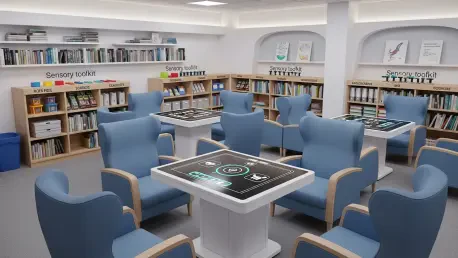
The recent grant allocation is designed to modernize the care experience through the integration of advanced dementia-informed technology within the daily routine. These interactive and sensory-based tools are crafted to stimulate brain activity and provide comfort to participants, effectively reducing the agitation often seen in the advanced stages of cognitive decline. By incorporating tactile and visual stimulation, the facility can offer more nuanced interventions that do not rely solely on pharmacological solutions. These technological advancements represent a shift toward person-centered care, where the individual’s environment is adapted to meet their sensory needs and cognitive abilities. Furthermore, the funds will help broaden wellness initiatives, ensuring that the daily programming remains diverse and effective for a wide range of needs. This diversification allows the staff to tailor activities to the specific interests and remaining strengths of each participant, rather than applying a one-size-fits-all approach to maintenance.
Staffing and caregiver education are also top priorities for the distribution of these funds to ensure the program can handle increasingly complex cases. A portion of the grant covers an additional four-hour staff shift each week for the next year, allowing the program to better support clients who require more individualized attention. This increase in specialized labor hours ensures that safety protocols are strictly followed and that each senior receives the engagement they deserve. Furthermore, the creation of a new lending library will provide family members with the educational resources and specialized tools they need to better manage the complexities of dementia at home. Empowering families with knowledge and physical resources, such as sensory kits or communication guides, strengthens the entire care network surrounding the individual. This dual focus on professional staffing and family empowerment creates a more robust support system that extends far beyond the physical walls of the Valleyview facility itself.
Economic and Systemic Benefits of Community Investment
From a municipal perspective, investing in day programs is far more cost-effective than the alternative of building and maintaining new long-term care facilities. Mayor Joe Preston has highlighted that while St. Thomas is experiencing a population boom, the high cost of traditional residential beds makes it necessary to find innovative ways to support the elderly. By strengthening the day program model, the city can effectively serve more residents without the immediate need for massive capital investments in high-cost infrastructure and permanent staffing. This approach allows the municipality to maximize the utility of existing spaces while providing a high standard of care that many residents prefer over institutional settings. The fiscal responsibility of this grant becomes clear when comparing the cost of a daily support session to the tens of thousands of dollars required for a long-term care bed. It represents a proactive financial strategy that balances the needs of a growing city with the limited resources available.
The broader impact of this funding extends to the entire healthcare system by helping to decompress local hospitals and emergency departments across the region. When seniors receive consistent daily care and their families are well-supported, the likelihood of emergency room visits due to household accidents or caregiver collapse decreases significantly. This proactive approach ensures that hospital resources and long-term care beds are reserved for those with the most urgent medical requirements, creating a more efficient and resilient system for the entire community. Furthermore, the inclusion of health monitoring within the day program allows for early detection of issues that might otherwise escalate into acute crises. By identifying potential problems early, staff can coordinate with primary care physicians to adjust treatments before a hospital visit becomes necessary. This systemic efficiency is a key component of modern healthcare management, where the focus has shifted from reactive treatment to prevention.
Building a Resilient Future for Local Elder Care
The decision to prioritize community-based adult day programs established a clear trajectory for the future of elder care in the St. Thomas region. Local leaders recognized that the integration of dementia-informed technology and increased staffing levels provided the immediate relief necessary for families facing the challenges of cognitive decline. This investment demonstrated that a strategic focus on home-based support systems was more than a temporary fix; it was a fundamental shift in how the city approached the aging process. By providing families with a lending library and specialized training, the initiative successfully empowered residents to act as capable partners in the care journey. The resulting framework reduced the pressure on the municipal budget while enhancing the quality of life for the most vulnerable citizens. Ultimately, these efforts proved that targeted provincial funding, when applied to existing community programs, offered a viable path toward a more compassionate and sustainable model of care.
This approach required a coordinated effort between provincial authorities and local administrators to ensure that the $25,000 grant was utilized for maximum community impact. It focused on creating a resilient network of support that addressed the psychological, physical, and financial barriers to aging in place. By evaluating the outcomes of these programs, stakeholders identified the specific ways in which respite care and sensory technology improved daily living for those with memory loss. The success of this model provided a blueprint for other municipalities facing similar demographic shifts and fiscal constraints. It highlighted the importance of viewing senior care not as a static destination in a facility, but as a dynamic process that could be managed within the comfort of a person’s own home. This historical milestone in local healthcare funding set the stage for continued innovation, ensuring that the dignity of the elderly remained a central pillar of the community’s long-term development and social planning.