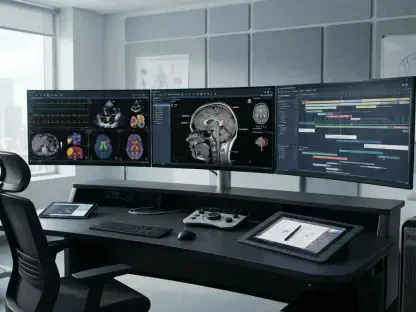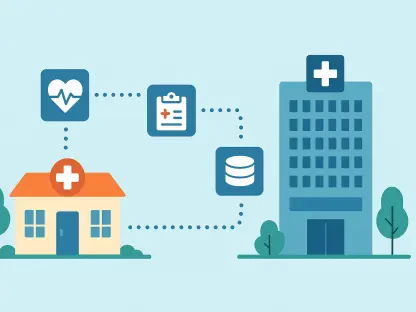

The proposed CMS rule threatens to dismantle the ‘hospital at home’ model that has successfully improved medication adherence and lifestyle choices for seniors in isolated areas. This regulatory shift targets the fundamental ways in which digital health technologies, including smart scales and wearable heart monitors, transmit physiological data to clinicians. For years, the Centers for Medicare & Medicaid Services has supported the expansion of remote patient monitoring to bridge the gap between clinical visits and daily self-care. However, the new proposal seeks to restrict the use of third-party vendors who currently manage the heavy lifting of data analysis and patient outreach. This change could force healthcare facilities to bring all monitoring operations in-house, a move that many smaller practices argue is financially and logistically impossible. As the healthcare industry continues to move toward a more digitized future, the tension between maintaining rigorous oversight and ensuring equitable access to care has never been more apparent or high-stakes.
Rural Healthcare and the Vulnerable Patient Experience
In the rural landscapes of states like Georgia, the implementation of remote monitoring has transformed the daily lives of patients who previously struggled with chronic conditions like hypertension. For individuals like Dianne Williams, a home-based blood pressure cuff that transmits data directly to her medical team is more than just a gadget; it is a lifeline that has facilitated significant weight loss and better health outcomes. The human element of these programs, often managed by vendor-provided nurses, offers the consistent encouragement needed to choose baked foods over fried options and to maintain a rigorous daily exercise routine. In these isolated communities, where the nearest specialist might be a multi-hour drive away, the “hospital at home” framework provides a critical safety net. The proposed CMS rule, however, could effectively sever this connection by making it impossible for rural clinics to sustain the high costs of internal staffing for these high-tech initiatives.
Logistical Hurdles for Community Health Centers
Small community health centers often operate on razor-thin margins and face significant challenges in recruiting and retaining specialized medical personnel. Dr. Edward Vance, a leading medical officer in Georgia, has highlighted that these facilities simply do not have the internal resources to replicate the infrastructure provided by third-party vendors. These external companies provide the necessary software, 24/7 monitoring teams, and the hardware devices that rural clinics lack. If the government mandates that all monitoring staff be physically located within the same facility as the prescribing physician, most rural providers will be forced to terminate their remote programs entirely. This would create a profound “care gap” for the exact populations that benefit most from digital health interventions. The move could essentially reverse years of progress in making healthcare more accessible for those with limited mobility and those residing in geographically isolated regions.
Regulatory Justification: Combating Fraud and Abuse
The motivation behind the federal proposal is not without merit, as recent investigations have uncovered significant vulnerabilities within the remote patient monitoring ecosystem. Reports from the Department of Health and Human Services’ Office of Inspector General have pointed to a worrying rise in “bad actors” who exploit the current system for financial gain. These oversight documents detail instances of billing for devices that were never medically necessary or services that were never actually provided to the patients. Because the current model allows for a high degree of separation between the vendor and the physician, it has become easier for fraudulent claims to slip through the cracks of the Medicare billing system. Regulators are concerned that without stricter controls, the program will continue to be a target for exploitation. Consequently, CMS is pushing for a model that ensures direct clinician oversight of all monitoring activities to maintain the fiscal and clinical integrity of the program.
Physician Oversight and the Risk of Fragmented Care
Beyond the risks of outright fraud, CMS has expressed deep concern regarding the “fragmented” or “siloed” nature of care delivered through third-party vendors. In many instances, the data collected by an external company is not effectively integrated into the patient’s broader longitudinal treatment plan. This can lead to a situation where the vendor’s staff makes recommendations or adjustments that the primary care physician is not even aware of, potentially leading to medication errors or conflicting health advice. Furthermore, federal investigators have found that some doctors are “rubber-stamping” prescriptions for remote monitoring without ever reviewing the data or being involved in the actual clinical analysis. By requiring monitoring staff to be located within the same facility as the doctor, CMS hopes to force a return to a more integrated care model. Critics, however, maintain that such a restrictive approach ignores the collaborative potential of modern health technology platforms.
Economic Implications: From Clinical Utility to Revenue Generation
The financial growth of the remote patient monitoring sector has been truly staggering, drawing the attention of budget-conscious federal regulators. In the period from 2026 to 2028, Medicare spending on these services is projected to continue its upward climb, following a trajectory that saw expenditures rise from just seven million dollars to nearly two hundred million dollars in a very short timeframe. This explosive growth is accompanied by a massive increase in the number of patients enrolled in these programs, which has grown tenfold over the recent cycle. The sheer volume of taxpayer money flowing into remote health tech has naturally necessitated a closer look at the return on investment for the Medicare program. While advocates argue that the spending prevents expensive hospitalizations, federal auditors are questioning whether the current fee-for-service model provides sufficient incentives for efficiency. This tension between clinical innovation and fiscal responsibility is at the heart of the current regulatory debate.
The Debate Over Monitoring Duration and Necessity
Another point of contention in the current economic debate is the significant increase in the average duration of remote monitoring services provided to patients. Data shows that the timeframe for monitoring has expanded from under two months to well over five months for the average participant between 2026 and 2028. While some chronic conditions certainly require long-term management, critics argue that this shift might be driven more by revenue considerations than by clinical necessity. There is a growing concern that vendors and clinics may be keeping patients on monitoring programs indefinitely simply to capture the monthly Medicare billing codes, even when the patient’s condition has stabilized. This practice raises serious questions about the sustainability of the current reimbursement framework. If monitoring becomes a permanent fixture for every patient with a minor chronic issue, the costs could become prohibitive, leading to the very types of restrictive measures that CMS is now proposing to implement across the board.
Federal Policy Conflicts: Modernization versus Restriction
Advocacy groups like the Alliance for Connected Care have pointed out a stark contradiction between the restrictive CMS proposal and broader federal health initiatives. Currently, the government is funneling fifty billion dollars into the Rural Health Transformation Program, a major effort aimed at encouraging states to adopt modern technological solutions for healthcare delivery challenges. Many states have already allocated hundreds of millions of dollars from this fund specifically for remote monitoring infrastructure. If the new CMS rules are finalized, they could effectively nullify these state-level investments by making it impossible for the intended recipients—rural clinics—to utilize the technology under the vendor models they have already built. This lack of alignment between different federal agencies creates a confusing environment for healthcare administrators who are trying to plan for the future. The conflict suggests a need for a more synchronized approach to federal health policy that balances oversight with innovation.
Transitioning Toward Outcome-Based Reimbursement Models
The future of remote patient monitoring likely lies in the transition toward value-based or outcome-based care models, rather than simple billing for time spent. CMS has already introduced the ACCESS program as a pilot for this new approach, which attempts to reward clinicians and technology partners based on the actual health improvements achieved by their patients. Under this framework, providers would need to demonstrate measurable results, such as reduced blood pressure readings or lower emergency room utilization, to justify continued reimbursement for monitoring. While this model aligns better with the goals of improving patient health, the initial reimbursement rates offered through the program have been significantly lower than those in the traditional fee-for-service model. This creates a financial hurdle for many clinics that are already struggling to keep their doors open. Finding a balance that incentivizes quality care without bankrupting the providers remains a major challenge for the industry as it moves toward 2028.
Strategies for Adaptation: Navigating the New Regulatory Landscape
Stakeholders across the healthcare spectrum recognized that a balanced regulatory approach was necessary to preserve the long-term viability of remote health technology. To move forward, healthcare providers developed more robust internal compliance programs to ensure that every remote monitoring prescription was backed by documented medical necessity. These organizations also worked to integrate vendor data more seamlessly into electronic health records, effectively addressing the “siloed care” concerns raised by federal investigators. By prioritizing clinical outcomes over billing volume, the industry sought to restore the government’s trust in the “hospital at home” model. Future progress required continued advocacy to ensure that reimbursement rules did not disproportionately penalize the rural facilities that served the nation’s most vulnerable populations. Ultimately, the successful integration of technology in medicine depended on a shared commitment to transparency and direct clinician involvement.