
The New South Wales government has committed a substantial financial injection of four hundred million dollars aimed at revitalizing the critical infrastructure of state-run hospitals to ensure that patient care remains uninterrupted. This massive undertaking represents a strategic pivot toward proactive asset management, moving away from the reactive repair cycles that have characterized public health facilities for several years. By addressing the backlog of essential maintenance tasks, authorities intend to stabilize the operational environment for medical professionals who rely on sophisticated diagnostic equipment and climate-controlled environments. The scale of this investment reflects a broader recognition that modern medicine cannot function effectively within decaying physical structures. This initiative prioritizes high-impact projects such as the replacement of outdated air filtration systems, the modernization of electrical grids, and the structural reinforcement of emergency departments. These upgrades are not merely cosmetic; they are foundational requirements for maintaining high standards of hygiene and safety in high-traffic clinical settings. The goal is to create a more resilient healthcare network that can withstand the pressures of an aging population and increasing demand. This funding is expected to cover over three hundred specific projects across both metropolitan and regional health districts, providing a much-needed boost to local construction and engineering sectors while simultaneously safeguarding the health of the community at large.
Strategic Distribution of Maintenance Resources Across the State
The allocation of the four hundred million dollars is designed to balance the needs of sprawling metropolitan medical campuses with the often-overlooked requirements of smaller regional facilities. In the city centers, the focus lies heavily on high-tech system integration and the retrofitting of existing buildings to accommodate heavier loads of medical imaging technology and digital telemetry. Conversely, in regional areas, the funding is earmarked for fundamental structural integrity, including the replacement of aging roofing systems and the overhaul of sewage and water management frameworks. This dual-track approach ensures that the quality of healthcare delivery does not depend solely on a patient’s geographical location. By distributing resources based on a rigorous assessment of facility age and clinical risk, the government is attempting to close the gap in infrastructure equity that has persisted for decades. Local health districts have been granted a degree of autonomy in proposing specific projects that address the unique challenges of their communities, whether that involves expanding ambulance bays or upgrading pharmacy storage refrigeration. This localized decision-making ensures that the maintenance blitz addresses the most pressing bottlenecks in the system. The transparency of this funding model is intended to provide taxpayers with clear evidence of where their money is going and how it directly benefits the public good.
A significant portion of the maintenance budget is dedicated to the engineering systems that form the invisible backbone of a functioning hospital, such as the Heating, Ventilation, and Air Conditioning (HVAC) units. These systems are critical for controlling the spread of airborne pathogens and maintaining the sterile environments necessary for complex surgical procedures. Many facilities are currently operating with units that have surpassed their expected service life, leading to increased energy consumption and higher risks of catastrophic failure. The blitz will facilitate the installation of high-efficiency particulate air (HEPA) filtration and modern climate control sensors that allow for precise temperature management in operating theaters. Beyond air quality, the investment targets the modernization of backup power systems, including industrial-grade generators and uninterruptible power supplies. These upgrades are essential for ensuring that life-support systems and neonatal intensive care units remain operational during unforeseen power outages or extreme weather events. The focus on these core utilities reduces the long-term operational costs of the health system by improving energy efficiency and reducing the frequency of emergency repairs. By investing in these foundational components, the state is building a more sustainable and reliable medical infrastructure that can support the rapid evolution of medical technology without requiring frequent and costly emergency interventions.
Integrating Advanced Technologies for Sustainable Hospital Management
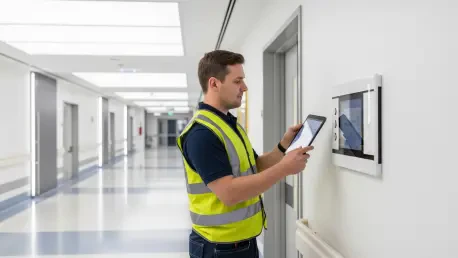
As the healthcare sector evolves, the integration of smart building technology and climate-resilient design has become a central pillar of the current maintenance strategy. The current rollout includes the deployment of Internet of Things (IoT) sensors across several pilot hospitals to monitor the performance of mechanical assets in real-time. This digital transformation allows facility managers to detect anomalies, such as a vibrating motor or a slight drop in water pressure, before these issues escalate into system-wide shutdowns. This predictive maintenance model is expected to extend the lifespan of expensive medical equipment and structural components significantly. Furthermore, the upgrades incorporate materials and designs specifically chosen to withstand the increasing frequency of heatwaves and other environmental stresses. This includes the application of reflective roofing membranes and the installation of high-performance glazing on windows to reduce the cooling load on buildings. These measures not only improve the comfort of patients and staff but also align the health system with broader environmental sustainability goals. The push for greener infrastructure is not just about reducing carbon footprints; it is a pragmatic approach to lowering the recurring costs associated with utility bills. By combining traditional maintenance with forward-thinking technological solutions, the state is ensuring that its hospitals remain functional and efficient in a rapidly changing environment.
The state health department finalized the comprehensive audit of all medical facilities to identify the most critical vulnerabilities within the existing infrastructure before the major works began. Engineers conducted detailed site inspections and thermal imaging assessments to prioritize projects based on their impact on patient safety and operational continuity. This groundwork allowed the government to authorize the immediate release of funds for the first phase of repairs, targeting high-risk areas like aging electrical switchboards and leaking roofs. Project managers also integrated feedback from frontline healthcare workers who provided insights into the daily operational challenges caused by outdated equipment. This foundational success provided the impetus for a long-term shift toward a life-cycle cost model for all public medical assets. Authorities integrated these findings into the 2027 state budget proposal to secure ongoing funding for digital twin modeling of hospital campuses. This technology allowed for the simulation of patient flow and energy usage under various stress scenarios. The shift toward data-driven maintenance ensured that the state remained a leader in sustainable healthcare delivery. Furthermore, the administrative teams finalized a procurement strategy that prioritized local manufacturers for replacement parts, strengthening the regional supply chain against global disruptions. These steps transformed the maintenance blitz into a sustainable blueprint for operational excellence.