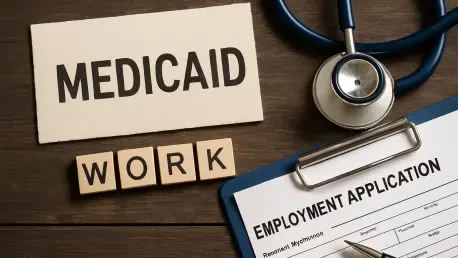

The landscape of American public health assistance is currently undergoing a seismic transformation as millions of low-income adults face the reality of tying their medical coverage to monthly labor hours. This fundamental shift stems from the recently finalized regulations associated with the “One Big Beautiful Bill Act,” a legislative move that effectively transitions Medicaid from a purely needs-based social safety net into a program centered on active workforce participation or community involvement. Proponents of the change argue that these new mandates will foster a sense of self-sufficiency among recipients and ensure that government resources are preserved for those who are truly unable to work. Conversely, critics and healthcare advocates remain deeply concerned that the complexity of the new system will create insurmountable hurdles for the very people it is intended to help. As the federal government moves toward full implementation, the national conversation has shifted from theoretical policy debates to the practicalities of how millions of individuals will maintain their essential health insurance coverage under these stringent new requirements.
Demographic Scope and Coverage Protections
Impact Analysis: Identifying Affected Groups
The primary focus of these new federal regulations involves the Medicaid expansion population, a demographic that grew significantly following the implementation of previous healthcare reforms. This group largely consists of low-income adults who do not have dependents, many of whom became eligible for benefits as more than 40 states and the District of Columbia expanded their individual programs to cover more citizens. Current estimates suggest that approximately 18.5 million people across the country will fall under these new work mandates, though the actual impact will depend heavily on the specific insurance structures adopted by each state. Because the application of these rules is not uniform across all jurisdictions, individuals living in states with more robust Medicaid frameworks may experience different reporting triggers than those in states with narrower eligibility definitions. This massive undertaking requires a granular look at how different regional economies can support the influx of Medicaid recipients now seeking qualifying employment to keep their coverage.
Health Safeguards: Exemptions and Protections
To prevent the most vulnerable members of society from losing their access to healthcare, the federal government has established several critical exemption categories within the new work requirement framework. Children, pregnant individuals, and those with documented disabilities who are already receiving Social Security benefits are strictly excluded from these labor mandates to ensure their care remains uninterrupted. Furthermore, the regulations provide a specific protective status for individuals classified as medically frail, a designation intended to safeguard those whose chronic health conditions or physical limitations prevent them from maintaining consistent employment. Defining this “medically frail” status has become a focal point for state agencies, as they must balance the need for rigorous enforcement with the ethical obligation to provide for those with significant health challenges. While these protections are designed to be a safety net within the safety net, the efficacy of these exemptions will depend on how clearly the criteria are communicated to both medical providers and the beneficiaries.
State Implementation and Administrative Hurdles
Regional Rollouts: Varying Timelines
Although the federal government has set a firm national deadline of January 1, 2027, for all participating states to have their work requirement systems operational, several states have already moved into the early stages of implementation. Arkansas, Montana, and Nebraska are currently leading the way with their own distinct rollouts, utilizing everything from immediate enforcement to softer launches that incorporate temporary grace periods for enrollees. These staggered starts are providing a real-world testing ground for the rest of the country, highlighting the various levels of administrative readiness and urgency found within state-level health departments. In some regions, the transition is being handled with a focus on education and outreach, while other states are moving quickly to integrate the new requirements into their existing eligibility checks. This patchwork of timelines means that a beneficiary’s experience with the new rules is largely determined by their geographic location and the political climate of their local state government.
Administrative Burden: Operational Risks
State officials are currently grappling with the monumental task of modernizing their information technology infrastructures and expanding their workforce to handle the surge in monthly reporting. There is a profound concern among policy experts that “administrative churning” will lead to a significant loss of coverage for eligible individuals who are simply unable to navigate the complicated paperwork or digital reporting portals. If state agencies fail to streamline these processes or provide adequate support, thousands of beneficiaries could find themselves uninsured despite meeting the actual work criteria. The risk of technical glitches or human error in processing pay stubs and volunteer logs is a constant threat to the stability of the program. To mitigate these risks, some states are investing heavily in automated data matching systems that can verify employment through existing tax records, but the reliance on manual documentation remains a significant barrier. The success of the transition depends on whether states can build a system that is efficient enough to process millions of updates without collapsing.
Compliance Standards and Verification Methods
Eligibility CriteriQualifying Activities
To maintain their health insurance benefits, subject enrollees are now required to document at least 80 hours of qualifying activities during every calendar month. These activities are not limited to traditional paid employment; they also encompass vocational training, community service, and enrollment in an accredited educational program at least half-time. This broader definition is intended to provide multiple pathways for individuals to meet the requirements, especially in areas where the job market may be stagnant or limited. Furthermore, the federal rules allow for in-kind work, which refers to labor provided in exchange for goods, services, or housing rather than a standard monetary wage. This inclusion acknowledges the informal economies that many low-income individuals rely on to survive, providing a level of flexibility that traditional labor statistics often overlook. By allowing a diverse range of activities to count toward the monthly quota, the government hopes to encourage various forms of productivity while recognizing the unique circumstances of different Medicaid recipients.
Process Evolution: Verification Methods
The methods used to verify participation in these qualifying activities are set to become increasingly rigorous as the program moves beyond its initial introductory phase. While current protocols allow for a degree of self-attestation and the use of automated databases to confirm employment status, a shift toward mandatory manual documentation is scheduled to be completed by 2028. Under this future standard, beneficiaries will be required to submit physical or digital proof of their activities, such as official pay stubs, signed medical statements, or letters from non-profit organizations confirming volunteer hours. Advocacy groups have raised alarms regarding this shift, noting that individuals with unstable living situations or limited access to technology will face the greatest challenges in providing this evidence. The transition from automated verification to manual submission represents a significant tightening of the rules, aimed at reducing fraud but potentially increasing the number of people who lose coverage due to clerical difficulties. This evolving verification landscape requires enrollees to be more proactive than ever.
Public Discourse and Actionable Advice
Societal Impact: Balancing Perspectives
The finalization of these federal rules has ignited a sharp ideological divide between those who prioritize fiscal responsibility and those who champion universal healthcare access. Supporters of the work mandates argue that these policies are essential for maintaining the long-term viability of Medicaid, ensuring that limited public funds are directed toward the most needy populations. They believe that by encouraging able-bodied adults to enter the workforce or engage in community service, the government can help break the cycle of poverty and reduce dependency on public assistance. On the other hand, critics argue that the lack of a standardized national definition for medical exemptions will lead to inconsistent and often punitive outcomes across state lines. They point out that for many low-income individuals, healthcare is a prerequisite for work, not a reward for it, and that losing insurance will only make it harder for them to find and keep a job. This debate continues to shape the legislative landscape as states adjust their policies in response to public feedback.
Future Readiness: Actionable Guidance
The finalized federal guidelines established that beneficiaries needed to take immediate and specific steps to protect their access to medical coverage during the transition period. It was strongly recommended that enrollees updated their mailing addresses and contact information with state agencies to ensure they received all necessary notices regarding their status. Officials also advised individuals to opt-in for digital alerts and electronic notifications, which provided a more reliable way to track deadlines and reporting requirements than traditional mail. Gathering employment records, school enrollment forms, and medical documentation early proved to be a vital strategy for avoiding coverage gaps once manual reporting became the standard. The guidance emphasized that checking state-specific websites was the most effective way for recipients to understand the unique rules and timelines applicable to their local area. By staying informed and maintaining organized records, many individuals were able to navigate the complex new landscape and secure their health benefits against the backdrop of these significant regulatory changes.