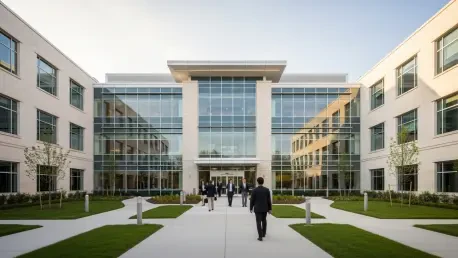

For decades, the absence of a state-operated psychiatric hospital in the Dallas-Fort Worth metroplex created a critical gap that forced vulnerable patients and their families to seek intensive care far from home. The Texas Behavioral Health Center represents a fundamental shift in how the state addresses mental health crises within one of its most populous regions. By establishing this facility, the Texas Health and Human Services Commission and UT Southwestern Medical Center have created a model of collaborative care that brings specialized resources directly to the local community. This center is more than just a collection of beds; it is a clinical environment designed to provide rapid stabilization and high-level medical intervention. Previously, residents in acute distress were often transported to distant facilities, which severed connections with their support networks and complicated the transition back to daily life. This local presence ensures that recovery happens within the same ecosystem where patients reside, leveraging academic research and state infrastructure to ensure every patient receives evidence-based treatment tailored to their needs.
Expanding Bed Capacity and Specialized Youth Services
Strategic Funding: Impact on Pediatric Care
The facility operates with a capacity of nearly 300 beds, providing a substantial boost to the state’s ability to manage complex psychiatric cases that require long-term observation or intensive intervention. This expansion was made possible through a unique financial structure that combined public investment with significant private contributions, highlighting a new era of philanthropic engagement in public health. The Texas Legislature allocated approximately $384 million for the adult portions of the hospital, while Children’s Health contributed an unprecedented $261 million specifically for pediatric services. These funds allowed for the implementation of advanced medical technologies and specialized treatment protocols that were previously unavailable in the region. The project is a key component of a larger $2 billion state initiative aimed at modernizing psychiatric infrastructure across Texas from 2026 to 2028. By replacing aging facilities with high-tech centers, the state is effectively increasing its total bed count and improving the efficiency of patient throughput, ensuring that those in the highest need are prioritized for care.
Regional Infrastructure: Modernizing the State Hospital System
The creation of a specialized pediatric wing serves as a landmark achievement in the national landscape of adolescent psychiatric care, particularly given the rising demand for youth services. By dedicating 92 beds specifically to children and adolescents, the facility became the largest center of its kind in the United States, addressing a demographic that often faces the longest wait times for placement. This focus on pediatric care ensures that young patients receive age-appropriate interventions in an environment specifically designed to be less intimidating and more conducive to developmental growth. Beyond the immediate clinical benefits, the pediatric division works closely with local school districts and family support groups to ensure that once a child is stabilized, they have a clear and supported path back to their educational environment. This holistic approach is intended to mitigate the long-term impact of mental health challenges on a child’s future. By providing these resources locally, the state significantly reduced the emotional and financial strain on families who previously had to travel hundreds of miles to access similar specialized services.
Systemic Reform and Long-Term Community Needs
Improving Legal Outcomes: Support for the Justice System
A significant portion of the new center’s mission involves addressing the systemic bottlenecks within the local criminal justice system, where many individuals with mental illness have historically been detained. For years, county jails functioned as the de facto mental health providers of last resort due to a chronic shortage of forensic beds, leading to lengthy wait times for competency restoration and treatment. The Texas Behavioral Health Center provides a necessary alternative, offering a specialized environment where patients can receive legal and clinical support simultaneously. By transitioning individuals from jails to a clinical setting, the facility reduces the burden on law enforcement and the courts, allowing the justice system to operate more effectively. This shift acknowledges that mental health crises are medical emergencies rather than criminal matters, and providing local treatment options is the most humane and efficient way to resolve these cases. Furthermore, this approach helps reintegrate individuals into society with better support systems, reducing the likelihood of future recidivism or crisis.
Workforce Sustainability: Insights for Future Care
Even as the hospital opened its doors to provide immediate relief, health advocates and state planners emphasized that the facility functioned as a foundational step rather than a final solution. The project successfully demonstrated that a modern, supportive environment attracted top-tier psychiatric professionals who sought a workplace equipped with the latest medical technologies and research capabilities. By fostering this workforce, the state ensured that the quality of care remained consistently high across all departments. Administrators moved toward integrating the hospital’s data with community-based outpatient programs to create a seamless continuum of care for every patient who was discharged. They also recommended that future investments focused on expanding early screening initiatives in schools and community centers to prevent acute crises before they required hospitalization. The center’s launch proved that systemic reform was possible when public policy prioritized mental health, yet it also signaled that maintaining this progress required a permanent commitment to funding and staffing. Stakeholders finalized plans to use the Dallas model as a blueprint for subsequent regional healthcare hubs across the state.