
A sudden spike in a child’s temperature or an unexpected injury late at night often sparks a sense of panic that leads many families straight to the nearest emergency department. While these hospital wards are essential for life-threatening crises, they are frequently congested with cases that could be handled more efficiently through alternative pathways within Australia’s comprehensive healthcare network. Choosing the right care requires understanding the specific distinctions between general practice, urgent care clinics, and acute hospital services. The decision-making process is no longer just about waiting for the morning; it involves a sophisticated triage system that spans digital consults, phone assessments, and physical clinics designed to alleviate pressure on the public system. By identifying the severity of symptoms and utilizing available resources, patients can avoid hours of waiting in a crowded ER lobby while still receiving high-quality medical attention from qualified professionals. This strategic approach to healthcare ensures that resources remain available for those in critical condition while providing relief for minor yet urgent health concerns.
Navigating the Triage System: Structured Care Paths
After-Hours Triage: Nurse Assessments and Telehealth
When symptoms are ambiguous or the level of urgency is unclear, the 1800MEDICARE helpline serves as the foundational pillar for after-hours decision-making. Operating twenty-four hours a day, this service employs registered nurses who use standardized protocols to assess a patient’s condition over the phone. These professionals do not just provide generic advice; they offer tailored recommendations that range from simple home-based care to immediate hospital referral. In many instances, the nurse might determine that a physician’s input is necessary but not critical enough for a physical visit. To facilitate this, they coordinate a callback from a general practitioner who can conduct a thorough telehealth consultation. This digital bridge allows for the issuance of electronic prescriptions that are sent directly to a mobile device, enabling patients to secure necessary medications from late-night pharmacies without ever leaving their homes. This integration of technology and clinical expertise streamlines the patient journey significantly.
Clinical Treatment: Benefits of Medicare Urgent Care
For conditions that require a physical examination or minor procedures, Medicare Urgent Care Clinics have emerged as a pivotal alternative to the traditional emergency room setting. These clinics are specifically designed to bridge the gap between a standard GP visit and the acute care found in hospitals, focusing on non-life-threatening issues such as minor fractures, lacerations requiring stitches, or severe infections. Because these facilities are fully bulk-billed, they eliminate the financial barrier often associated with private after-hours care, making them an equitable choice for all residents. Many of these sites are equipped with sophisticated diagnostic tools, including on-site radiology and pathology services, which allow for rapid results that would otherwise take days to procure. By treating acute but stable patients, these clinics play a vital role in reducing the workload of hospital staff, ensuring that the local medical infrastructure remains resilient and responsive. The walk-in nature of these clinics provides a sense of security, knowing that professional help is available without a prior booking.
Modern Alternatives: Digital and Home-Based Healthcare
Digital Diagnosis: Specialist Video Consultations
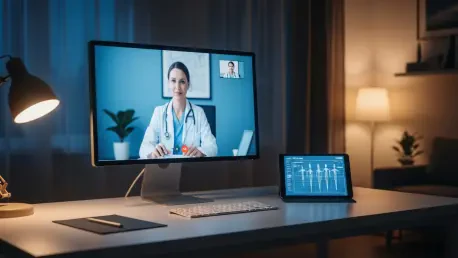
The landscape of emergency medicine has shifted dramatically with the widespread adoption of Virtual Emergency Departments across various Australian states. This model allows patients to connect with senior emergency physicians through high-definition video conferencing, offering a level of expertise that was previously only available within the walls of a major hospital. During these sessions, specialists can visually inspect wounds, assess respiratory patterns, and even observe the physical behavior of a sick child to determine the necessity of an in-person visit. This technological advancement is particularly beneficial for rural and regional residents who might live hours away from a tertiary hospital, as it provides immediate access to expert advice that can prevent unnecessary travel. Private sector providers have also expanded their digital footprints, offering subscription-based or fee-for-service models that guarantee near-instantaneous contact with doctors. Whether through public initiatives or private platforms, the goal remains the same: to deliver timely, expert care while preserving the integrity of physical healthcare spaces.
Mobile Medicine: Rejuvenating the Traditional House Call
For those who are physically unable to travel or parents dealing with sleeping infants, the traditional house call has been modernized through services like 13SICK and other mobile doctor networks. These services send qualified general practitioners directly to a patient’s residence during the late hours of the night and throughout the weekend. The convenience of being treated in a familiar environment cannot be overstated, especially for the elderly or those with mobility issues who find hospital environments stressful and difficult to navigate. These doctors often carry essential medications to start treatment immediately, which is crucial when local pharmacies might be closed. Speaking of pharmacies, the expansion of Super Pharmacies that operate twenty-four hours a day provides an additional layer of support, offering professional pharmacist advice and medication dispensing at any hour. Together with maternal health hotlines that support new parents with newborn concerns, these home-based and neighborhood resources create a safety net that covers almost every conceivable non-emergency scenario, ensuring that help is always within reach.
Specialized Networks: Inclusive Support and Crisis Care
Crisis Intervention: Mental Health and Cultural Awareness
Beyond physical injuries, the after-hours system recognizes that mental health crises do not adhere to a standard work schedule and require specialized, immediate attention. Organizations like Lifeline and the Kids Helpline provide around-the-clock telephone and web-chat support, staffed by trained counselors who can de-escalate stressful situations and offer referral pathways for ongoing care. Recognizing the diverse fabric of the Australian population, services such as 13YARN have been established to provide culturally safe crisis support specifically for Aboriginal and Torres Strait Islander people. This specialized focus ensures that the support provided is sensitive to cultural nuances and historical contexts, which is often a critical factor in the effectiveness of mental health intervention. By offering these dedicated lines, the healthcare system acknowledges that specialized care is not a luxury but a necessity for maintaining community well-being. This targeted approach prevents the escalation of mental health issues into physical emergencies, providing a proactive rather than reactive solution to psychological distress during the night.
Inclusive Infrastructure: Accessibility and Next Steps
To ensure that the healthcare system remained truly universal, extensive logistical support was integrated to assist those with language barriers or physical disabilities. The National Translating and Interpreting Service played a critical role by providing free, immediate access to interpreters in over 150 languages, allowing non-English speakers to communicate their symptoms accurately to medical professionals. Similarly, the National Relay Service ensured that individuals who were deaf, hard of hearing, or had speech impairments could navigate the triage system with the same ease as any other citizen. These accessibility features were not mere additions but were central to the strategy of reducing hospital crowding, as they ensured every patient could find the most appropriate care level without confusion. By the end of this period, the focus had shifted toward integrating these services into a seamless platform. Health authorities recommended that households kept contact lists readily available to reduce decision fatigue. Residents were then able to make informed choices that prioritized their health and the efficiency of the medical community.