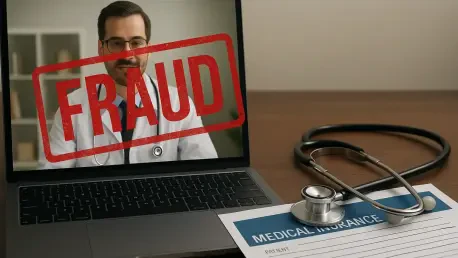

A federal court in Oklahoma recently sentenced a medical supply company owner to fourteen years in prison for orchestrating a scheme that submitted over thirty million dollars in fraudulent claims to Medicare. This landmark ruling serves as a critical warning regarding the sophistication of modern healthcare exploitation as the industry moves through 2026. Criminal enterprises have increasingly pivoted toward the digital sphere, leveraging the expanding reach of telemedicine to facilitate wide-scale theft from federal insurance programs. These activities do not merely represent a financial burden on the government; they directly threaten the stability of the social safety net that millions of seniors and individuals with disabilities depend upon for their daily health needs. The erosion of trust in remote medical services can lead to a significant decline in the adoption of legitimate technological advancements, potentially delaying life-saving care for those in rural or underserved areas. As regulatory bodies struggle to keep pace with these evolving threats, the responsibility for maintaining the integrity of the healthcare system shifts increasingly toward informed and vigilant beneficiaries who must navigate an increasingly complex landscape of digital offerings and potential pitfalls.
1. The Process: Understanding the Lifecycle of Fraudulent Operations
The initial phase of these fraudulent operations often centers on information gathering through deceptive marketing techniques designed to exploit the vulnerability of target populations. Promoters and specialized call centers frequently reach out to seniors and individuals with disabilities, using high-pressure tactics to convince them to provide their private medical information and insurance details under the guise of offering free medical devices or preventive screenings. These interactions are carefully scripted to build a false sense of security while harvesting the data necessary to file claims. Once a sufficient volume of patient information is secured, the primary orchestrator facilitates the payment of unlawful referrals to keep the scheme operational. This involves distributing over one million dollars in illegal kickbacks to various marketing firms and front companies, ensuring a continuous and steady flow of sensitive patient data into the fraudulent pipeline. These clandestine financial arrangements are often hidden behind complex layers of shell companies, making it difficult for federal investigators to trace the origin and destination of the illicit funds during the early stages of the probe.
Building on this foundation, the conspirators proceed to the acquisition of fraudulent medical authorizations, which are essential for validating their claims to federal insurers. They achieve this by purchasing signed equipment prescriptions from telemedicine providers who have never actually met, examined, or even consulted with the patients in question. These clinicians often sign off on hundreds of orders in a single day without any clinical justification or review of the patient’s actual medical history. Following the receipt of these sham orders, the operation moves into the submission of unauthorized insurance claims, billing more than thirty million dollars to programs like Medicare, TRICARE, and CHAMPVA for equipment that is frequently unnecessary or entirely unwanted by the recipients. To avoid detection by federal regulators, the owner deliberately hides the true management structure of the business and the concealment of company ownership is a central pillar of the strategy. This involves allowing unauthorized or unenrolled suppliers to submit claims through the primary entity, effectively masking the true scale of the operation and bypassing the standard vetting procedures required for healthcare providers.
2. The Prevention: Strategies for Safeguarding Your Medical Identity
Defending against these sophisticated scams requires individuals to take immediate and decisive action, starting with the need to terminate unrequested solicitations as soon as they occur. Beneficiaries are advised to quickly end any phone calls from strangers offering free medical gear and to avoid clicking on digital advertisements that make similar unrealistic promises. This proactive stance is the first line of defense in preventing criminals from establishing a rapport or gathering the initial fragments of personal data needed to launch a claim. Furthermore, it is essential to protect personal identification numbers by refusing to disclose Medicare, TRICARE, or VA identification numbers to anyone other than the trusted staff at an established doctor’s office. When equipment does arrive unexpectedly, consumers must reject unordered shipments by turning away any medical packages delivered to their homes that were not explicitly prescribed by their primary physician. Keeping a detailed log of the sender’s information and the specific delivery date provides a vital record that can be used later to assist federal investigators in identifying the sources of fraudulent distribution and halting their operations.
Beyond immediate physical prevention, beneficiaries must engage in the ongoing task to monitor benefit statements for any signs of suspicious activity. This involves regularly examining Medicare Summary Notices or insurance explanations of benefits to identify charges for items or services that were never actually provided or requested. If discrepancies are found, it is crucial to alert federal authorities immediately by contacting the HHS Office of Inspector General at 1-800-447-8477 or submitting a detailed report through their official website. Early reporting can prevent a localized scam from expanding into a nationwide crisis. Finally, individuals should work closely with their healthcare team to correct medical documentation that may have been compromised by fraudulent claims. Consult with your actual healthcare provider to review your medical records and remove any false diagnoses or equipment orders that could potentially interfere with your future care or insurance eligibility. Ensuring that your medical history remains accurate is vital for receiving proper treatment and maintaining the long-term viability of your medical benefits, as documented fake orders can often lead to the denial of legitimate equipment in the future.
3. The Impact: Evaluating the Future of Digital Health Integrity
The broader implications of these fraudulent activities resonate throughout the entire healthcare infrastructure, creating a ripple effect that impacts service delivery and funding allocations through 2028. Every dollar diverted to a criminal enterprise is a dollar taken away from legitimate patient care, medical research, and the maintenance of essential health services for the public. This systemic drain on resources forces federal programs to implement more stringent and often more cumbersome verification processes, which can inadvertently slow down the delivery of care to those who truly need it. Moreover, the prevalence of such schemes creates a climate of skepticism that may discourage healthcare providers from utilizing telemedicine for legitimate purposes, fearing the increased scrutiny and potential for accidental association with fraudulent networks. As the industry strives to balance innovation with security, the focus must remain on developing more robust authentication technologies that can verify the clinician-patient relationship in real time. Strengthening these digital barriers is essential for preserving the integrity of the medical benefits system and ensuring that technological progress continues to benefit the patient population.
The successful prosecution and sentencing of those involved in this thirty-million-dollar scheme provided a significant victory for the protection of federal healthcare programs. These legal outcomes demonstrated that the justice system possessed the tools and determination necessary to dismantle complex criminal organizations that sought to exploit the vulnerabilities of remote care. The investigative efforts led by federal agencies established a new standard for cooperation and data sharing, which proved instrumental in tracing the flow of illegal kickbacks and sham medical orders. Throughout this process, the role of the informed consumer was identified as the most powerful deterrent against the continued growth of such operations. Authorities observed that when beneficiaries remained vigilant and reported suspicious activity promptly, the window of opportunity for fraudsters was drastically reduced. The resolution of this case highlighted the importance of a multifaceted approach to health security, where technology, law enforcement, and patient awareness converged to safeguard the future of medical care. These measures ultimately ensured that the integrity of patient records was preserved and that essential resources remained available for the community.