
The traditional landscape of independent pharmacy operations has undergone a radical transformation as professional service fees and clinical interventions begin to eclipse the shrinking margins once provided by standard prescription fulfillment. This seismic shift requires pharmacists to navigate the complex world of medical billing, which differs significantly from the streamlined adjudications of pharmacy benefit managers that dominated the industry for decades. For a community pharmacy to thrive in this environment, it must adopt a hybrid model that treats the facility as a clinical site capable of billing major medical insurance for immunizations and chronic care management. Mastering this transition is about establishing a position as a primary care partner within the healthcare ecosystem. As reimbursement rates for generic drugs continue to plummet, the ability to successfully submit claims for cognitive services provides a vital secondary revenue stream that stabilizes the financial health of local pharmacies.
The Navigational Shift: Understanding the Medical Billing Framework
Navigating the medical billing landscape requires a fundamental departure from the National Council for Prescription Drug Programs standards that govern the majority of retail pharmacy transactions today. Medical payers, including Medicare Part B and various commercial health insurance providers, utilize a distinct set of Current Procedural Terminology codes to categorize the specific actions performed by a healthcare professional during an encounter. For an independent pharmacy, this means that every patient interaction—from administering a complex vaccine to conducting a diabetes management session—must be documented with a high degree of specificity to meet the rigorous requirements of medical necessity. Transitioning to this model involves training staff to differentiate between pharmacy benefits and medical benefits, ensuring that the correct insurance card is collected and the appropriate encounter forms are utilized. This process is essential because traditional PBM-based reimbursement rarely accounts for clinical time.
The integration of ICD-10-CM diagnosis codes into the pharmacy workflow represents one of the most significant hurdles for teams accustomed to simple drug-to-patient matching. These codes provide the “why” behind the clinical service, acting as the bridge that connects the pharmacist’s intervention to a recognized medical condition that a payer is willing to reimburse. For instance, billing for a smoking cessation consult requires the application of specific codes that indicate a diagnosis of nicotine dependence alongside the procedure code for the counseling session itself. Without this diagnostic alignment, medical claims are frequently rejected, leading to administrative burdens that can negate the financial benefits of providing the service. To master this, pharmacies are increasingly turning to dedicated billing platforms that integrate with their existing dispensing systems to automate the cross-referencing of codes. This technological synergy allows for real-time validation of claim data, reducing the likelihood of errors and ensuring that the pharmacy maintains a consistent cash flow.
Operational Integration: Technology and Future Clinical Growth
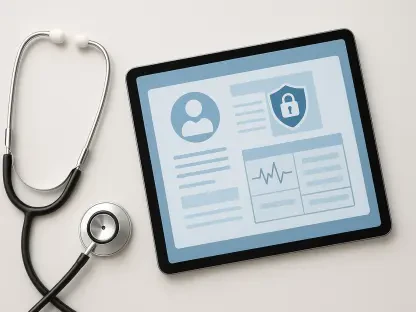
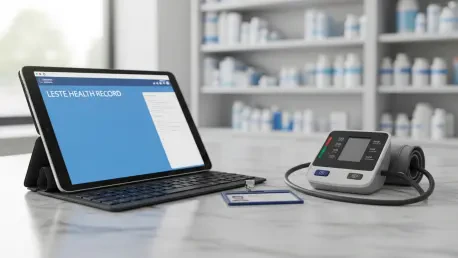
Establishing a robust electronic health record infrastructure is the cornerstone of a successful medical billing operation within an independent pharmacy setting. Unlike a standard pharmacy management system designed for inventory and prescription tracking, an EHR focuses on the longitudinal patient record, capturing clinical notes, vital signs, and detailed assessment results. This level of documentation is mandatory when billing for services like Chronic Care Management or Remote Patient Monitoring, where the provider must demonstrate a specific amount of time spent on care coordination. Many forward-thinking pharmacies are now adopting modular EHR systems that plug into their legacy software, allowing for a seamless flow of data between the dispensing side and the clinical side. This integration ensures that when a pharmacist identifies a gap in care during a routine medication review, they can immediately document the intervention in a format that satisfies medical auditors. By maintaining these high-quality clinical records, pharmacies not only secure their current revenue but also protect themselves from payers.
The transition to a medical billing model required pharmacies to adopt a proactive stance on clinical service expansion and provider enrollment. Successful practitioners realized that the first step involved credentialing pharmacists as medical providers within state and federal networks, which allowed for direct reimbursement of cognitive services. These organizations discovered that by establishing collaborative practice agreements with local physicians, they could unlock new revenue streams from chronic care management and annual wellness visits. The adoption of specific CPT codes and diagnostic validation protocols ensured that every clinical hour spent with a patient was properly valued and compensated by medical carriers. Looking ahead, the focus shifted toward integrating these services into a holistic care model that included nutritional counseling and point-of-care diagnostics. By leveraging data from medical claims to identify high-risk patients, pharmacies moved beyond reactive dispensing to become primary drivers of health.