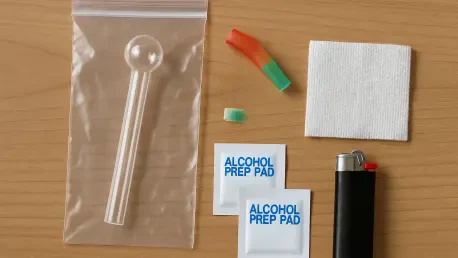

The shifting landscape of public health policy in Wisconsin has reached a critical juncture with the recent decision by Public Health Madison & Dane County to terminate its controversial but medically backed safer smoking kit program. This move marks the conclusion of a four-year effort that sought to mitigate the severe risks associated with non-injection drug use by providing sterile equipment, including glass pipes and mouthpieces, to at-risk residents. While the initiative was rooted in a harm reduction philosophy that prioritizes immediate safety and disease prevention, it ultimately succumbed to a combination of mounting legal challenges and intensifying political scrutiny. The shutdown was not triggered by a failure in clinical outcomes or a lack of community participation; rather, it was the result of a volatile environment where public health goals frequently collided with existing state statutes and law enforcement priorities. This decision forces a recalibration of how the county addresses the ongoing substance use crisis.
Evolving Harm Reduction Strategies: Responding to Shifting Consumption
Public health officials and researchers at institutions like the University of Wisconsin-Madison have consistently emphasized that providing sterile smoking supplies is a necessary response to the shifting nature of the drug crisis. As the prevalence of fentanyl and methamphetamine has increased, there has been a notable transition in how these substances are consumed, with many individuals moving away from injection toward inhalation. According to the Centers for Disease Control and Prevention, evidence of drug smoking is now more frequently documented at fatal overdose scenes than signs of traditional injection. This transition suggests that harm reduction strategies focused exclusively on needle exchanges are no longer sufficient to meet the needs of the entire drug-using population. By ignoring the reality of smoking as a primary consumption method, health departments risk failing a large demographic that is equally susceptible to the dangers of overdose and infectious disease transmission.
The safer smoking kits were designed to act as a critical entry point for individuals who typically avoid formal medical settings due to the stigma associated with drug use. When a health department offers a wide range of supplies, it creates more opportunities to engage with vulnerable community members and provide them with life-saving resources such as naloxone, fentanyl test strips, and information on addiction treatment. These kits did more than just provide a sterile pipe; they established a bridge to professional care for people who might otherwise remain isolated from the healthcare system. From a purely clinical perspective, smoking is often regarded as less hazardous than injection regarding the transmission of blood-borne pathogens like HIV and Hepatitis C. However, without sterile equipment, users frequently resort to using damaged glass or improvised metal cans, which cause oral lesions that serve as direct gateways for bacterial infections.
Measuring Success: Statistical Gains in Community Outreach
During the four years the program remained operational, the data collected by Public Health Madison & Dane County indicated that the initiative was successfully meeting several key public health objectives. Following the introduction of the safer smoking supplies, monthly visits to the department’s service centers saw a significant surge of nearly 30 percent. This increase in foot traffic was a vital metric of success, as it allowed staff to interact with more individuals, distribute record amounts of overdose reversal medications, and offer essential health screenings. Interestingly, the data also revealed a 3.7 percent decline in the distribution of syringes during the same period, suggesting that when provided with safer alternatives for inhalation, some users chose to adopt consumption methods that carry a lower risk of systemic infection and vascular damage compared to traditional drug injection.
The personal impact on program participants was also profound, as many of those utilizing the services were experiencing extreme poverty or homelessness. For an individual living on the streets, the cost of a replacement pipe at a local convenience store could represent a significant financial barrier, often leading them to share equipment or use broken tools that posed immediate physical dangers. By removing this cost barrier, the county helped eliminate a major source of health risk while simultaneously building a foundation of trust between the drug-using community and local government officials. Participants reported that having access to free, sterile supplies allowed them to maintain a higher standard of personal health and reduced the likelihood of engaging in risky behaviors to obtain equipment. This sense of safety and support was instrumental in keeping these individuals connected to a network of care that provided more than just supplies.
Navigating Legal Vulnerabilities: The Impact of State Statutes
The primary driver behind the termination of the safer smoking program was the inherent contradiction between modern harm reduction goals and Wisconsin’s rigid drug paraphernalia laws. While the state legislature has previously carved out specific exemptions for needles and syringes, classifying them as essential tools for disease prevention, no such protections exist for equipment used for inhalation. Under current state statutes, the distribution or possession of glass pipes remains a criminal offense, carrying the risk of fines and potential incarceration. This legal gray area created a significant liability for the health department, particularly as local media outlets and legal critics began to scrutinize the program’s operations. As the pressure intensified, the agency was forced to acknowledge that its commitment to health outcomes could not override its obligation to operate within the strict confines of the law.
This retreat in Madison is part of a broader national trend where political shifts are beginning to limit the scope of harm reduction practices across the United States. Although federal health agencies have historically expressed support for comprehensive harm reduction, recent political developments have seen the Biden administration prohibit the use of federal grant money for the purchase of pipes. This shift in federal policy has signaled a move back toward more traditional law enforcement approaches, leaving local agencies without the political coverage or financial resources needed to sustain programs that are perceived as legally or socially controversial. Without clear legislative reform at the state or federal level, local health departments remain in a precarious position, often forced to choose between providing evidence-based care and adhering to statutes that many medical professionals believe are outdated and counterproductive.
Assessing Potential Fallout: The Risks of Service Termination
The cessation of the safer smoking kit program is expected to have immediate and potentially devastating consequences for public health in Dane County. One of the primary concerns among health advocates is the phenomenon of “reverse transition,” where individuals who can no longer access sterile smoking supplies may return to injecting drugs. Because injection is statistically linked to much higher rates of fatal overdose and the rapid spread of systemic infections like endocarditis, the removal of smoking kits could lead to an avoidable spike in emergency room visits and mortality. This regression represents a significant setback for a community that had made measurable progress in steering users toward less hazardous consumption methods. The loss of these tools effectively removes a safety buffer that protected the most vulnerable members of the population from the most lethal aspects of drug use.
Furthermore, the termination of this program threatens to sever the vital connection between health workers and a large segment of the at-risk population. Preliminary surveys conducted before the program ended suggested that as many as one in four participants might stop visiting public health offices altogether once smoking supplies were no longer available. This anticipated drop in engagement means that fewer people will receive life-saving vaccinations, testing for sexually transmitted infections, or referrals to long-term recovery programs. As the crisis involving synthetic stimulants continues to claim lives at an alarming rate, the disappearance of these harm reduction tools leaves many residents without a crucial safety net. The long-term cost of this disengagement will likely be felt across the entire healthcare system, as untreated infections and unmanaged substance use disorders place an even greater burden on local hospitals and clinics.
Establishing New Frameworks: Future Strategies for Community Health
In the wake of the program’s closure, it became clear that the legal and political barriers to harm reduction remained a formidable challenge for local health authorities. The department spent the final months of the initiative’s operation documenting the positive impact it had on the community, but those findings were ultimately overshadowed by the necessity of legal compliance. This outcome demonstrated that medical evidence alone was not enough to sustain a program in the face of statutory restrictions and shifting public sentiment. Advocates and health professionals must now look toward alternative models of support that can withstand the current political climate while still providing essential services to those in need. The termination served as a stark reminder that the success of public health initiatives is often inextricably linked to the legislative frameworks within which they must operate.
Moving forward, the focus must shift toward legislative advocacy and the pursuit of private funding sources that are not bound by the same restrictions as government grants. Establishing a clearer legal definition for harm reduction supplies within state law is a necessary step to ensure that future programs can operate without the threat of prosecution. Additionally, local organizations should explore partnerships with non-governmental entities to bridge the gap left by the ending of the smoking kit program. By fostering a more robust network of private and community-based support, it may be possible to maintain the high levels of engagement achieved over the last few years. Future efforts should prioritize the integration of comprehensive care that addresses both the physical and social needs of individuals, ensuring that the progress made in building community trust is not entirely lost during this period of transition.