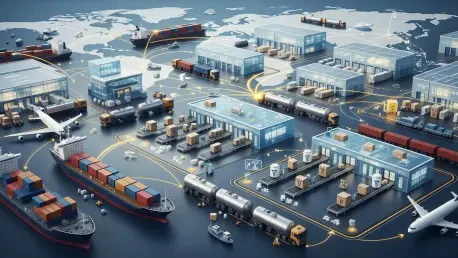

The sudden closure of a major maritime corridor or the unexpected grounding of specialized air cargo can instantly sever the delicate thread connecting a laboratory in Switzerland to a terminal cancer patient in the Midwest. In the current global climate of 2026, the pharmaceutical industry stands at a critical juncture where long-established lean manufacturing principles are being tested by an unprecedented wave of geopolitical instability. From the persistent tensions in the Middle East to the lingering effects of the war in Ukraine, the pathways through which life-saving medicines travel have become increasingly treacherous and unpredictable. While the sector has historically prioritized cost-saving measures and just-in-time delivery, these external shocks have laid bare the profound vulnerabilities inherent in a globalized supply network. The challenge now lies in determining whether the industry can successfully pivot away from its reliance on fragile trade routes and move toward a more robust, decentralized model that ensures patient safety regardless of the political climate.
Assessing the Preparedness Gap in Global Pharma
The Disconnect: Why Global Risks Often Go Unaddressed
Despite the significant lessons learned from previous global health crises, a concerning fragility gap remains prevalent throughout the pharmaceutical sector today. Recent industry data suggests that only about twenty percent of major drug manufacturers have actively implemented robust contingency plans to mitigate the effects of sudden geopolitical shifts. This hesitation stems largely from a long-standing corporate culture that prioritizes short-term financial margins over long-term structural resilience. Many executives find themselves caught in a difficult balancing act, facing intense pressure to reduce operational overhead while navigating the skyrocketing costs of raw materials. Consequently, the transition toward a more secure and diversified supply chain is often postponed in favor of immediate profitability. This focus on protecting the balance sheet in the short term leaves many organizations dangerously exposed to the next major disruption in international relations or regional stability.
Financial Protectionism: Prioritizing Margins over Stability
The tendency to favor financial protectionism often results in a strategic paralysis where necessary investments in infrastructure are viewed as unnecessary expenses rather than essential safeguards. Companies frequently choose to maintain existing relationships with low-cost suppliers in volatile regions because the immediate cost of switching to more stable, albeit more expensive, alternatives seems prohibitive. This narrow focus on current margins ignores the catastrophic financial impact that a total supply chain collapse could have on an organization’s long-term viability. By failing to account for the true cost of risk, many firms are essentially gambling with their ability to deliver critical products to market. Building resilience requires a fundamental shift in accounting practices to include geopolitical risk as a primary variable in cost-benefit analyses. Until the industry treats supply chain security as a core value rather than a secondary concern, the gap between recognized threats and actual readiness will continue to widen.
Systematic InertiBarriers to Strategic Industry Transformation
The failure to integrate comprehensive scenario planning into the core of pharmaceutical operations has led to a reactive rather than a strategic industry posture. Organizations frequently rely on temporary workarounds when a crisis hits, such as paying premium rates for emergency air freight or sourcing ingredients from untested secondary suppliers. These band-aid solutions do little to address the underlying risks inherent in a supply chain that spans multiple volatile jurisdictions. Without a systematic overhaul of how risk is assessed and managed, the delivery of essential medicines remains hostage to the whims of foreign policy and border closures. Strategic transformation requires a fundamental shift in how leadership perceives the value of stability versus the value of cost reduction. By delaying these necessary changes, firms risk not only their financial health but also their ability to fulfill their primary mission of providing life-saving therapies to global populations.
Analyzing Geopolitical and Economic Threats
Logistical Bottlenecks: The Vulnerability of Global Hubs
The unique logistical requirements of pharmaceutical products, particularly biologics and advanced vaccines, make them exceptionally vulnerable to disruptions in global transport hubs. Many of these medicines require strict temperature-controlled environments, known as the cold chain, which necessitates the use of specialized air freight and high-speed handling. Because major international transit points, especially in the Middle East, serve as the primary conduits for these shipments, any regional conflict can have an immediate and devastating impact. Rerouting these sensitive goods is not as simple as choosing a different road; it often involves complex negotiations for airspace rights and the availability of specialized containers. When these corridors are blocked or become unsafe, the integrity of the medication is put at risk, potentially resulting in the loss of entire batches. This vulnerability highlights the need for a decentralized logistics network that does not rely so heavily on a few critical geographical chokepoints.
Energy Volatility: Impacting Production in Emerging Markets
Beyond the physical movement of goods, the manufacturing process is deeply intertwined with global energy markets, which are frequently the first to suffer during geopolitical crises. The production of chemical precursors and the operation of large-scale fermentation vats require immense amounts of stable energy, often sourced from natural gas or oil. In manufacturing hubs like India and China, fluctuations in energy prices directly translate to increased costs for raw materials, which are then passed through the entire supply chain. When regional tensions lead to spikes in fuel costs, the expense of transporting temperature-sensitive medicines rises exponentially, further straining the budgets of healthcare providers. This energy dependency creates a feedback loop where political instability in one part of the globe directly affects the affordability of healthcare in another. Developing more energy-efficient manufacturing processes and investing in localized, renewable energy sources for production facilities are becoming essential strategies for long-term survival.
Economic Consequences: Rising Costs for Healthcare Systems
The economic fallout from supply chain disruptions is already manifesting in the form of rising drug prices for national health systems and individual patients. In the United Kingdom, for instance, the cost of basic generic medicines has seen a sharp increase as manufacturers grapple with higher fuel and raw material expenses. These price hikes are not merely temporary market corrections but are indicative of a deeper shift in the cost of maintaining global supply lines. As the logistical complexity of moving goods increases, the financial burden is increasingly shifted toward the end-user, threatening the sustainability of public health budgets. This trend is particularly concerning for low-income populations who rely on affordable access to chronic disease medications. The erosion of price stability in the pharmaceutical sector is a direct consequence of a global system that has yet to fully adapt to a more volatile era. Addressing these financial pressures will require a combination of policy intervention and a fundamental redesign of how drugs are priced.
Designing a More Resilient Supply Chain
Strategic Integration: Moving beyond Crisis Management
Building a resilient future requires pharmaceutical leaders to move away from reactive crisis management and toward a design-focused approach to supply chain architecture. This involves segmenting products based on their medical criticality, ensuring that the most essential life-saving treatments are protected by dual-sourcing strategies and dedicated logistics. By embedding risk assessment directly into daily operations, companies can better anticipate disruptions before they escalate into full-scale shortages. Advanced analytics and real-time monitoring tools are becoming indispensable for identifying potential bottlenecks in the upstream supply of raw materials. This strategic integration also means fostering deeper partnerships with suppliers to ensure transparency and shared responsibility for risk mitigation. When companies treat their supply chain as a strategic asset rather than a back-office function, they gain the ability to navigate geopolitical shocks with greater precision and confidence.
Operational Agility: Shifting from Efficiency to Resilience
The industry must rebalance its traditional focus on efficiency with a newfound necessity for operational agility. The transition from a just-in-time delivery model to a just-in-case inventory strategy allows firms to maintain safety stocks for critical items during times of unexpected crisis. Regionalizing supply bases and reducing reliance on a single geographic source for manufacturing are essential steps for any firm looking to survive in an era of unpredictable global logistics. This approach does not mean abandoning global trade, but rather diversifying it to ensure that no single event can paralyze the entire network. Agility also requires the ability to quickly pivot production lines to alternative facilities when a regional conflict arises. By investing in modular manufacturing units and flexible production schedules, pharmaceutical companies can maintain a steady flow of medication even when traditional pathways are compromised. This shift toward resilience ensures that the supply of medicine remains constant.
Forward Perspectives: Building Lasting Supply Chain Stability
In the final assessment, the path forward for the pharmaceutical industry was defined by a transition toward strategic agility and regionalized manufacturing. Leaders recognized that relying on a single geographic source for critical ingredients was a risk that no longer aligned with the realities of the modern world. They implemented sophisticated digital twins to simulate various geopolitical scenarios, allowing for the proactive adjustment of inventory levels before a crisis unfolded. This shift from an efficiency-first mindset to a resilience-first approach proved essential in maintaining the flow of life-saving treatments during times of intense global friction. Companies that successfully integrated risk management into their core operations were better equipped to navigate the complexities of energy volatility and logistical blockades. By prioritizing stability over short-term savings, the industry took steps to safeguard public health. Future considerations remained focused on fostering global regulatory cooperation to ensure the drug supply could adapt.