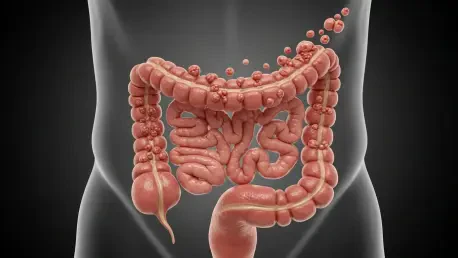

The historical perception of colorectal cancer as a condition exclusively affecting the elderly is rapidly dissolving as German medical experts confront an unexpected surge in diagnoses among younger adults. For decades, oncological screening programs were meticulously designed for individuals over the age of fifty, leaving younger cohorts largely outside the scope of preventative surveillance. However, recent data from the German Cancer Research Center has revealed a troubling deviation from this established pattern, particularly within the specific age brackets of the twenties and thirties. This shift is not a generalized increase across all younger populations, as the incidence rates for those in their forties have remained remarkably consistent over the past twenty years. The concentration of cases in the youngest adults suggests that the environmental or biological factors influencing the disease are intensifying for the most recent generations entering adulthood, demanding a reevaluation of clinical assumptions.
Comparing National Trends and Global Contexts
While the rising prevalence of early-onset colorectal cancer is a global phenomenon, the trajectory observed in Germany presents a distinct contrast to the more aggressive patterns seen in the United States. In America, the sharp escalation of cases among younger adults prompted health authorities to lower the recommended screening age to forty-five to capture at-risk individuals sooner. German researchers, however, characterize their domestic trend as significantly more moderate, avoiding the rapid acceleration that has defined the American health crisis. This disparity indicates that while the broader “Western” lifestyle is certainly a contributing factor, specific elements of the German healthcare system, dietary regulations, and perhaps even regional genetic variations are acting as a buffer against a full-scale surge. Understanding these differences is essential for pinpointing which protective factors remain effective within the German environment and why the incidence is not yet matching American levels.
International Healthcare: Analyzing Divergent Trajectories
The relatively controlled pace of this increase provides German health authorities with a unique strategic window to refine public health interventions before the situation escalates. Rather than adopting a reactive stance triggered by a systemic emergency, policymakers can utilize the current data to develop targeted awareness campaigns and diagnostic guidelines that reflect the specific needs of the younger population. This period of moderate growth allows for a more nuanced investigation into how German dietary habits, which often emphasize different staples and regulatory standards than those in North America, might be slowing the progression of the disease. By examining these nuances, clinicians can better understand whether the current trend is a precursor to a larger shift or a manageable anomaly. The goal remains to prevent the German trajectory from mirroring the steeper inclines seen elsewhere by leveraging this data to implement precise, evidence-based health policies across the nation.
Investigating Biological and Environmental Drivers
Identifying the precise cause of the rise in early-onset colorectal cancer requires a deep dive into the metabolic and lifestyle changes that have defined modern living over the last few decades. Primary among the suspected drivers are rising obesity rates and an increasingly sedentary lifestyle, which are known to foster chronic inflammation within the digestive tract. The widespread availability and consumption of ultra-processed foods, often high in refined sugars and low in essential fiber, have created a physiological environment that may be more hospitable to the development of early-onset malignancies. These dietary shifts are particularly influential during the formative years of younger generations, who have been exposed to such nutritional profiles since childhood. This prolonged exposure to pro-inflammatory substances could be accelerating the biological processes that lead to tumor formation, making the gut more vulnerable to the carcinogenic effects of a modern, industrialized diet.
Microbial Ecosystems: Antibiotics and the Gut Microbiome
In addition to lifestyle factors, researchers are increasingly focusing on the intricate role of the intestinal microbiome and how it has been reshaped by modern medical practices. There is compelling evidence to suggest that the rising use of antibiotics in early life and changes in the global food supply have significantly altered the microbial ecosystems within the human digestive system. These alterations can disrupt the delicate balance of beneficial bacteria, potentially triggering inflammatory responses that accelerate the development of cancer. Younger cohorts, having grown up in an era of high antibiotic usage and processed food dominance, may possess a gut flora composition that is fundamentally different from that of previous generations. These subtle yet profound shifts in the internal environment of the body could explain why the disease is manifesting earlier than historically expected. Investigating these microbial changes offers a promising avenue for identifying biomarkers.
Detection Patterns and Clinical Recommendations
A significant portion of the observed rise in colorectal cancer cases among younger Germans might be attributed to heightened clinical vigilance rather than a solely biological surge. As awareness of the disease grows among the public and the medical community, physicians are more likely to order diagnostic tests for younger patients who present with gastrointestinal symptoms that might have been dismissed in the past. This increased surveillance often results in the identification of slower-growing or less aggressive tumors that would have previously remained undetected for many years. While this trend inflates the statistical incidence of the disease, it also represents a positive shift toward early intervention and improved survival outcomes. The phenomenon suggests that the apparent increase in cases is, at least in part, a reflection of a more proactive healthcare system that is successfully catching malignancies in their infancy, thereby preventing more advanced stages of the disease later in life.
Precision Medicine: Targeted Strategies for High-Risk Groups
In response to these emerging trends, the German medical community prioritized the development of sophisticated risk-assessment tools over the implementation of universal screening for all young adults. Because patients under the age of fifty still account for a small fraction of total diagnoses, mass screening was not viewed as a cost-effective or necessary strategy. Instead, efforts were redirected toward educating primary care physicians to recognize and act upon early warning signs, such as persistent rectal bleeding or unexplained changes in bowel habits, particularly in those with a family history of the disease. This targeted approach ensured that resources were concentrated where they could provide the most benefit, emphasizing personalized medicine and genetic screening for high-risk individuals. By fostering a culture of awareness without inducing unnecessary public alarm, healthcare providers successfully bridged the gap between traditional screening age protocols and the needs of younger adults.