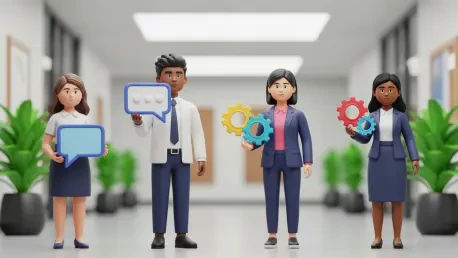

The landscape of adolescent mental health is undergoing a profound transformation as schools increasingly look toward their own students to bridge the gap between clinical resources and the hallways where crisis often begins. Traditional models of suicide prevention have long relied on a top-down approach where adults provide instruction, yet modern research suggests that teenagers are far more receptive to messages delivered by their equals. This shift represents a move toward the Student Champions Program, a collaborative effort involving medical institutions and local educational districts. By empowering young people to serve as advocates for their own well-being, the initiative addresses the silent struggles of high school life that professional interventions frequently overlook. Rather than viewing students as passive recipients of care, this framework treats them as essential architects of a healthier school culture. The goal is to cultivate a self-sustaining environment where mental wellness is integrated into daily social interactions, thereby dismantling the pervasive stigma that often prevents vulnerable youth from seeking help.
From Clinical Models to Community Voices
The Evolution: Peer Advocacy in High Schools
The origins of this peer-led movement can be traced back to the unique public health challenges encountered during the early 2020s, which highlighted a growing disconnect between health authorities and the youth they aimed to protect. While researchers initially attempted to deploy adult figures to distribute essential wellness information, the resulting data indicated that adolescents maintained a higher level of skepticism toward outside experts. Recognizing this barrier, the program pivoted to a student-centric model where high schoolers were trained to take the lead in health promotion activities. This evolution transformed the project from a standard educational curriculum into a dynamic platform for student agency. In 2026, this approach has become a cornerstone of localized prevention strategies, demonstrating that the most effective messengers are often those who share the same daily experiences and pressures. The transition focused on moving away from clinical detachment toward a model rooted in the lived realities of the campus environment.
Transitioning from a clinical model to a community voice required a fundamental reassessment of how health information is perceived within a secondary school setting. Adult-led initiatives often struggle with issues of relatability, as the hierarchical nature of student-teacher or student-doctor relationships can inadvertently stifle open communication. In contrast, student champions are perceived as insiders who possess a deep understanding of the social hierarchies and pressures that define modern adolescence. This inherent trust allows for a more fluid exchange of information, where sensitive topics regarding emotional distress can be discussed without the fear of judgment often associated with authority figures. The program succeeded by leveraging the natural social networks already present in schools, turning influential peers into conduits for positive behavioral change. This strategy has proven that peer-led advocacy is not merely a supplement to traditional medicine but is a critical component in reaching individuals who might otherwise remain isolated.
Authenticity: Peer Credibility as a Clinical Bridge
One of the most significant advantages of peer-led advocacy is the ability of student leaders to translate complex clinical terminology into a lexicon that resonates with their classmates. While medical professionals are indispensable for providing a structured framework for suicide prevention, their language can sometimes feel clinical or inaccessible to a teenager experiencing a mental health crisis. Student champions bridge this linguistic divide by using relatable terms and framing mental health concepts within the context of common high school experiences. They are able to demystify terms like resilience and intervention by applying them to real-world scenarios such as exam stress, relationship conflicts, or social isolation. This cultural translation ensures that vital information is not just heard but is internalized and understood by the broader student body. By speaking the same social language as their peers, these advocates ensure that mental health support feels like a natural extension of student life rather than a clinical requirement.
Beyond just language, student champions possess an acute awareness of the subtle behavioral shifts and social nuances that adult observers might overlook in a busy school environment. They are positioned on the front lines of peer interaction, witnessing the digital and physical cues that signal a classmate might be struggling with anxiety or depression. This unique vantage point allows champions to identify at-risk individuals earlier than a traditional screening process might permit. Their advocacy is perceived as authentic because it is born from the shared experience of navigating the modern educational landscape, which includes the pervasive influence of social media and the constant pressure to achieve. This authenticity is the primary driver behind the program’s ability to foster a culture of resilience. When a student sees a peer taking mental health seriously, it validates their own feelings and reduces the perceived risk of reaching out for help, creating a more transparent atmosphere for everyone involved.
Engaging Students Through Innovation
Redefining Education: Moving Beyond Traditional Lectures
To maintain high levels of engagement among a demographic often prone to lecture fatigue, the program has revolutionized the way mental health education is delivered in the classroom. Rather than relying on static presentations or standard lists of warning signs, student champions utilize interactive games and discussion-based activities to convey critical information. This hands-on methodology transforms a potentially heavy subject into an engaging and collaborative experience that encourages active participation. For example, by using simulation-based scenarios or interactive digital tools, students can practice how to approach a friend who might be in distress. These activities help to lower the emotional barriers associated with discussing suicide and mental illness, making the subject matter feel manageable rather than overwhelming. The shift toward experiential learning ensures that the lessons are memorable and that students leave these sessions feeling equipped with practical skills they can apply in their daily lives.
By meeting their classmates in these informal and interactive settings, student leaders create a safe harbor for the kind of open dialogue that rarely occurs in a traditional academic environment. These sessions provide a platform where students can voice their own opinions, share their personal anxieties, and ask questions that they might feel uncomfortable posing to an adult. This democratization of the conversation is essential for normalizing the topic of mental health on campus, as it signals that everyone has a role to play in the community’s well-being. The process of shared learning fosters a sense of collective responsibility, where the burden of prevention is shared among the entire student body rather than resting solely on the shoulders of school counselors. This collaborative approach has been instrumental in shifting the school climate from one of silence and stigma to one of proactive support, ensuring that no student feels they have to navigate their challenges in complete isolation.
Measurable Growth: Evidence-Based Success and Scaling
The efficacy of this peer-led model was further enhanced by its focus on the specific socioeconomic and cultural stressors that influenced the mental health of modern teenagers. Researchers identified that many students faced high levels of anxiety stemming from family conflicts, the pressures of cultural adaptation, and the unique challenges associated with immigration. The program addressed these realities by functioning as a built-in early intervention system that operated within the school’s own infrastructure. By providing mental health services directly on campus, the initiative removed many of the logistical and financial barriers that frequently prevented families from seeking professional help. When the screening process identified a student who was at an elevated risk level, they were not simply given a referral; they were immediately connected with clinical resources and professional therapy in a familiar environment. This seamless integration of peer advocacy and professional care created a robust safety net for the students.
The systematic collection of data throughout the program demonstrated that the student champions themselves experienced significant growth in leadership and public speaking abilities. Research findings indicated that participants developed a heightened sense of professional confidence, which served to prepare them for diverse career paths in healthcare and social advocacy. This evidence-based approach allowed the initiative to refine its methods and established a clear blueprint for expansion into multicultural school communities across the region. Efforts were prioritized to develop Spanish-language suicide awareness programming to better serve the needs of diverse populations facing language barriers. By tracking long-term outcomes and student feedback, the program solidified its role as a transformative force in adolescent mental health. The successful implementation of this model showed that when young people were given the tools and authority to lead, they were capable of creating a more resilient and supportive future.