
The high recurrence rates and five-year survival rates below fifty percent necessitate a supportive care model that extends far beyond the walls of a traditional oncology clinic. Ovarian cancer remains one of the most formidable challenges in contemporary medicine, largely because it is often characterized by a lack of discernible early symptoms and the absence of a reliable, universal screening protocol. Consequently, nearly three-quarters of patients are diagnosed at an advanced stage, where the disease has already spread throughout the peritoneal cavity. This clinical reality places an immense physical and psychological burden on individuals, who must navigate complex treatment regimens while grappling with the high probability of the cancer returning. The traditional healthcare infrastructure, while proficient at delivering acute medical interventions such as surgery and chemotherapy, often struggles to provide the continuous, specialized supportive care that these patients require to maintain their quality of life. In response to this gap, the Teal Support Program emerged as a specialized, nurse-led telehealth initiative designed to offer a dedicated lifeline to those facing ovarian, fallopian tube, and primary peritoneal cancers, ensuring that no patient has to manage the complexities of their diagnosis in isolation.
Foundations and Development of Specialized Nursing
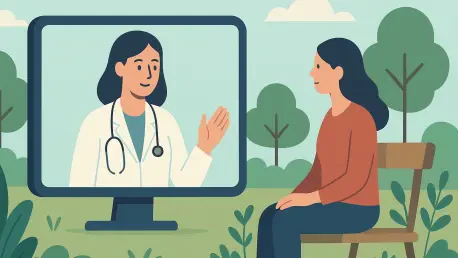
The development of the Teal Support Program was driven by a clear and urgent mandate from the patient community, following a comprehensive survey that highlighted a significant deficiency in specialized nursing support. Many individuals expressed a profound sense of abandonment once they left the hospital setting, feeling that generalist nursing services lacked the deep, nuanced understanding of the specific side effects and psychological stressors associated with gynecological cancers. To address this, Ovarian Cancer Australia launched a nationwide telehealth case management service that prioritized high-level clinical expertise. Every nurse within the program is required to have a minimum of five years of experience in oncology or gynecology, ensuring that the guidance provided is not merely supportive but deeply rooted in professional evidence-based practice. This specialized focus allows nurses to anticipate the unique needs of their patients, providing a level of tailored care that generic support lines simply cannot match in a rapidly evolving oncological landscape.
The operational structure of the program is built upon an integrated model that functions as an extension of the patient’s existing medical team rather than a separate entity. Upon entering the program, participants undergo a rigorous initial assessment that evaluates everything from physical symptom burden to family dynamics and spiritual needs. This holistic approach is organized into five critical pillars: clinical intervention, the provision of specialized information, care coordination with primary oncologists, psychosocial counseling, and immediate crisis support. By 2026, the service has fully matured to include in-house psychologists and sexual health counselors, creating a multidisciplinary environment that addresses the “whole person.” This evolution reflects a growing recognition that the medical management of cancer is only one part of the journey; the ability to manage the emotional fallout and the practical disruptions to daily life is equally vital for long-term patient stability and resilience.
Analytical Frameworks and Study Design
To rigorously evaluate the impact of this nurse-led intervention, researchers employed the RE-AIM framework, which focuses on the reach, effectiveness, adoption, implementation, and maintenance of healthcare programs. This specific study, conducted over a period ending in early 2022, followed a cohort of 652 enrolled individuals, with a subset of 112 participating in a detailed mixed-methods evaluation. By combining quantitative data from validated surveys with qualitative narratives from semi-structured interviews, the researchers were able to construct a multi-dimensional view of how the program affected patient outcomes. This methodology was crucial for identifying not only whether the program worked in a statistical sense, but also why it resonated so deeply with the women who used it. The use of longitudinal tracking over a twelve-month period provided insights into the durability of the support and how patient needs shifted as they moved through different phases of their illness and recovery.
The quantitative portion of the research utilized several standardized metrics, including the Measure of Ovarian Symptoms and Treatment and the Functional Assessment of Cancer Therapy-Ovarian, to track changes in symptom burden and quality of life. These figures were complemented by thirty in-depth interviews with a diverse group of participants, ensuring that the findings represented a wide spectrum of ages, geographic locations, and disease stages. This dual-methodology approach was particularly important for a high-needs population like those with ovarian cancer, where the emotional nuances of the patient experience are often lost in purely numerical data. By capturing the “human” side of the telehealth service, the study demonstrated that the value of the program often lay in the intangible sense of security and being “seen” by a professional who understood the specific trajectory of their disease, which statistical averages alone might fail to communicate.
Prevalence of Distress and Unmet Clinical Needs
The baseline data gathered at the beginning of the evaluation revealed a staggering level of unmet needs that underscored the precarious state of many patients. Fatigue emerged as the most prevalent physical challenge, with sixty-five percent of participants reporting moderate to severe levels, often accompanied by significant sleep disturbances. However, the psychological burden was perhaps even more alarming, as nearly forty-three percent of the cohort reported high levels of psychological distress. Common concerns included a pervasive uncertainty about the future, a debilitating fear of cancer progression, and generalized anxiety. These figures suggest that the individuals who find their way to the Teal Support Program are often those who are struggling the most, representing a high-needs subgroup that requires intensive, expert-led intervention to prevent a total breakdown in their mental and physical wellbeing.
Furthermore, the research identified a significant gap in the participants’ confidence regarding their ability to self-manage their symptoms and emotional health. Approximately one-quarter of the women expressed a lack of efficacy in handling their distress and fatigue, highlighting a critical failure in the traditional clinic-to-home transition. Without a bridge like the Teal Support Program, these patients are often left to navigate a sea of conflicting information and mounting physical symptoms on their own. This lack of self-management confidence is a major driver of emergency department visits and decreased treatment adherence, making the role of the telehealth nurse even more essential as a proactive navigator. The program’s ability to identify these high-risk individuals early and provide them with the tools and emotional stabilization they need represents a major shift toward a more preventive and supportive oncology model.
Navigating Diverse Patient Demographics and Treatment Phases
One of the most significant findings of the evaluation was the impact of demographic factors on the patient experience, particularly regarding age and location. Younger women, specifically those under the age of sixty, reported much higher levels of symptom burden and a greater need for information regarding sexuality and the balance of career and family life. These patients often face unique stressors, such as being forced into premature menopause or managing the care of young children while undergoing aggressive systemic therapy. The flexibility of a telehealth model is particularly beneficial for this group, as it allows them to access expert care without the added burden of traveling to a physical clinic, which can be difficult to manage alongside a busy professional or family schedule. This underscores the need for cancer support services to be highly adaptable and sensitive to the life stage of the individual.
Geographic location also played a surprising role in the study’s findings, as participants in regional or non-metropolitan areas actually reported a better quality of life and lower distress levels compared to those in major urban centers. This suggests that the telehealth model is successfully closing the gap for rural patients who historically have had less access to specialized oncology care. Furthermore, the intensity of the support provided was dynamically adjusted based on the patient’s treatment status. Those undergoing active chemotherapy naturally required more frequent check-ins and more intensive care coordination than those in observation phases. By tailoring the frequency and nature of the nursing interventions to the specific phase of the patient’s journey, the program ensures that resources are allocated where they are most needed, providing a high-touch experience for those in the most vulnerable stages of their treatment.
Evaluating Quality of Life and Informational Empowerment
Over the twelve-month observation period, the study recorded statistically significant improvements in the overall wellbeing of the participants, a finding that is particularly meaningful given the typical trajectory of advanced ovarian cancer. In a disease state where health often declines over time, the ability to maintain or slightly improve a patient’s quality of life is considered a primary clinical success. One of the most notable areas of improvement was in information satisfaction. Participants reported feeling much more empowered and prepared for their medical consultations because they had access to a dedicated nurse who could explain complex medical data, discuss emerging research, and provide vetted information about medications. This empowerment changed the dynamic of the patient-provider relationship, allowing women to become active participants in their own care rather than passive recipients of treatment.
The qualitative feedback from participants emphasized that the program served as a stabilizing force during a time of immense volatility. While physical symptoms like fatigue remained difficult to fully resolve, the psychological buffer provided by the telehealth nurses prevented many patients from spiraling into deeper states of depression or isolation. The “on-demand” nature of the service meant that help was available when a crisis occurred, rather than weeks later at a scheduled appointment. This consistency in care provided a sense of continuity that is often missing in a fragmented healthcare system where patients move between different specialists and facilities. By acting as a constant point of contact, the nurse-led model provided the emotional and informational scaffolding necessary for patients to navigate the complexities of their diagnosis with a greater sense of agency and calm.
Systemic Integration and Future Clinical Directions
The findings from this evaluation have directly informed the integration of the Teal Support Program into the broader national healthcare landscape, aligning with the strategic goals of modern cancer care plans. By demonstrating the efficacy of specialized, nurse-led navigation, the program has set a new standard for how supportive services can be embedded into the oncology journey. The study validated that such initiatives are not merely “extra” services but are essential components of a comprehensive clinical strategy that addresses the long-term psychosocial needs of a high-risk population. This integration ensures that the lessons learned from the program are scaled and sustained, providing a blueprint for other specialized cancer support services that seek to move beyond the limitations of traditional hospital-based care. The move toward formal recognition also paves the way for more consistent funding and a more robust pipeline of trained specialist nurses.
The evaluation of the Teal Support Program concluded that specialized telehealth nursing significantly reduced the sense of isolation and informational confusion among women with ovarian cancer. By providing a safe space for emotional expression and delivering expert, disease-specific guidance, the program successfully bridged the gap between acute clinical treatment and long-term holistic wellbeing. Moving forward, the focus should remain on expanding the reach of these services to even more diverse populations and ensuring that the multidisciplinary team continues to evolve with the latest advancements in oncology. The role of the specialist nurse as a navigator and emotional anchor is increasingly recognized as a cornerstone of personalized medicine. As the healthcare system continues to modernize, the continued investment in such high-touch, specialized telehealth models will be critical for improving the lived experience of those facing the most challenging oncological diagnoses.