
The complexity of managing neurocognitive disorders often manifests in the quiet but persistent movement of residents seeking a destination that exists only in their memories. Statistics indicate that approximately six out of ten individuals living with dementia will experience at least one episode of wandering, a reality that underscores the immense responsibility placed upon modern memory care communities. Effective management requires more than just secured exits; it demands a sophisticated, integrated approach that weaves together environmental design, specialized staff training, and personalized care protocols. When a resident elopes, the risks to their physical safety and emotional well-being are severe, necessitating a proactive stance that prioritizes prevention over simple reaction. Communities are currently shifting toward holistic models that balance the need for security with the dignity of movement and autonomy. By combining advanced monitoring technology with a deep understanding of resident history, providers can create an atmosphere where safety is an invisible yet omnipresent foundation for daily life.
1. Architectural Design and Personalization
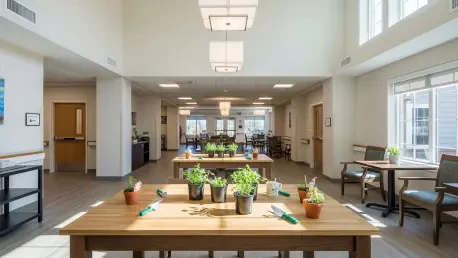
Creating a space that feels intuitive rather than restrictive is the first step in mitigating the desire to exit a facility without supervision. Open-concept layouts are increasingly favored because they eliminate the confusing dead-end corridors that often trigger anxiety and a subsequent urge to flee. When a resident can see their destination, such as a dining room or a communal lounge area, from a distance, they are less likely to become disoriented during their journey. Furthermore, the inclusion of purposeful activity stations—such as a mock office desk, a nursery area, or a laundry folding station—provides meaningful engagement that effectively anchors residents in their current environment. These stations act as natural pauses in a wandering path, redirecting energy toward familiar, productive tasks. By replacing long, empty hallways with interactive zones, communities can transform aimless walking into a series of positive discoveries. This architectural shift significantly reduces the frequency of exit-seeking behaviors by addressing the underlying boredom.
Beyond the physical layout, the use of personalization serves as a vital navigational tool that fosters a genuine sense of belonging among residents. Decorating apartment doors with personal photos, familiar colors, or unique memory books helps individuals identify their own space without relying on abstract room numbers. This psychological grounding is complemented by subtle security measures that protect without causing visible distress. For instance, delayed-egress doors and low-profile alarm systems provide necessary barriers while avoiding the visual triggers that might provoke a resident to attempt a forceful exit. Strategically placing keypads and staff-only access points out of the direct line of sight prevents these features from becoming targets of frustration for those seeking to leave. Well-lit pathways and clear, high-contrast signage further ensure that the environment remains navigable even during the evening hours when sundowning symptoms typically peak. Together, these elements form a secure perimeter that respects the visual comfort of every person.
2. Daily Engagement, Training, and Technology
Meaningful daily engagement serves as a primary defense against the restlessness that often leads to wandering incidents. Caregivers focus on integrating residents into the natural rhythm of the community through simple, repetitive tasks that offer a sense of accomplishment and identity. Whether it is helping to set the table for a meal, assisting with light gardening, or participating in a music therapy session, these activities provide the cognitive stimulation necessary to reduce idle pacing. When a resident feels that they have a role to play or a job to finish, their focus shifts from the exit to the immediate task at hand. This method of active resting ensures that energy is expended in a safe, controlled manner throughout the day. By maintaining a structured but flexible schedule, memory care providers can satisfy the inherent human need for purpose, which effectively diminishes the urge to wander in search of something more useful. Staff members also play a critical role in observing how these activities influence individual behavior.
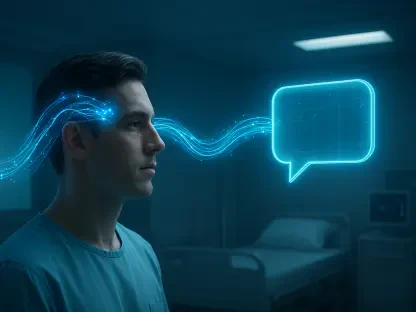
Professional education must extend beyond basic caregiving to include a nuanced understanding of behavioral cues that signal an impending elopement. Staff members are trained to recognize early signs of restlessness, such as repetitive questioning about leaving or physical agitation near exits. This specialized knowledge allows for early intervention, where a caregiver can gently redirect a resident before they reach a crisis point. Furthermore, this training is no longer restricted to clinical staff; it now encompasses receptionists, security personnel, and even housekeeping teams. Modern technology offers a sophisticated layer of protection by providing real-time data on resident movement through discrete monitoring tools. Smartwatches and pendants allow staff to track movement patterns without being intrusive, alerting caregivers if a resident enters a high-risk zone. These devices often use artificial intelligence to distinguish between normal activity and potential wandering behavior, allowing for quicker response times and reducing the need for constant direct supervision.
3. Emergency Readiness and Behavioral Analysis
Maintaining a high level of readiness for a potential elopement requires a rigorous schedule of practical exercises and protocol reviews. Every six months, communities should conduct surprise missing person simulations that involve all shifts to ensure that every staff member is prepared regardless of the time of day. These drills often incorporate a designated staff member or a cooperative resident to simulate a real-world scenario, testing the response times and communication efficiency of the team. During these exercises, the effectiveness of search patterns and the speed of notification systems are put to the test under realistic pressure. This practice ensures that the abstract steps outlined in an emergency manual become second nature to those on the front lines. By treating these simulations as vital components of operational excellence, facilities can identify latent vulnerabilities in their security perimeter. Regular testing fosters a culture of accountability and precision that is essential for protecting vulnerable populations in any care setting.
Following the physical drill, a thorough examination of the official response protocol is necessary to confirm that every team member understands their specific role. This administrative review ensures that the chain of command is clear and that all contact information for local law enforcement and families is current. After each simulation, the management team should hold a comprehensive follow-up meeting to analyze the outcomes and discuss specific areas where the response could be improved. Participants are encouraged to provide feedback on the challenges they faced during the drill, allowing for a collaborative approach to problem-solving. Understanding that wandering is often a form of non-verbal communication is also essential for prevention. When a resident begins to pace, they are frequently expressing an unmet need, such as hunger or a desire for social interaction. By identifying the specific motivations behind the wandering, the care team can tailor their interventions to provide the specific comfort or activity the resident is actually seeking.
The implementation of these comprehensive safety protocols and environmental adjustments provided a robust framework for reducing wandering incidents within specialized care settings. Management teams prioritized the integration of architectural flow and advanced monitoring systems, ensuring that physical barriers remained unobtrusive while maintaining maximum security. Staff members successfully adopted a proactive mindset, treating behavioral cues as vital communication rather than mere disturbances. Through the use of regular missing person simulations and detailed resident histories, communities established a culture of preparedness and personalized attention. These measures ultimately transformed the standard of care, moving away from restrictive measures toward a more dignified and secure lifestyle for individuals with cognitive impairments. Future considerations focused on further refining these technological tools and expanding staff education to meet the evolving needs of a diverse resident population. The commitment to understanding the root causes of wandering ensured that safety remained synonymous with compassion.