
Wyoming’s wide-open landscapes are increasingly populated by a generation entering their twilight years, creating a demographic pressure cooker that the state’s current infrastructure is struggling to contain. As the segment of residents aged 65 and older grows faster than any other group in the Cowboy State, the burden of care has fallen largely on the shoulders of neighbors and relatives. Current estimates suggest that more than 100,000 Wyomingites are now serving as informal family caregivers, often stepping into complex medical and supervisory roles without any formal training or professional support systems. This shift has created an urgent need for specialized facilities that can bridge the gap between independent living and full-scale nursing home care. Without these middle-ground solutions, the stability of both the state’s workforce and its families remains at risk, as the sheer volume of aging citizens begins to outpace the availability of traditional residential care beds and in-home medical services.
The Economic Impact: Addressing the Labor Market Strain
The financial repercussions of the elder care shortage extend far beyond the immediate costs of medicine or equipment, deeply affecting the state’s overall labor market participation. Many family members find themselves caught in a “care crunch” where the necessity of providing constant supervision forces them to drastically reduce their working hours or exit the workforce entirely. This withdrawal of productive employees creates a ripple effect throughout local businesses, which must cope with a shrinking talent pool and decreased productivity. For the families themselves, the loss of income is compounded by the high cost of specialized equipment and home modifications, creating a cycle of economic instability. Because Wyoming lacks a dense network of affordable assisted living options, these households often exhaust their savings long before they are ready to consider long-term institutional care. This situation highlights the necessity for community-based models.
Psychological Wellness: Mitigating Caregiver Burnout and Stress
Beyond the tangible financial stressors, the emotional and physical demands placed on family caregivers often lead to a state of exhaustion that compromises both their own health and the safety of their loved ones. Managing the unpredictable behaviors associated with advanced dementia or the physical limitations of Parkinson’s disease requires a level of vigilance that few individuals can sustain indefinitely. This relentless pressure frequently manifests as severe burnout, depression, and chronic physical ailments for the caregiver, who may neglect their own medical needs while prioritizing the senior. Professional adult day care services provide a vital intervention by offering reliable respite periods, allowing caregivers to attend to personal obligations, rest, or maintain their own mental wellness. By temporarily transferring the responsibility of care to trained professionals, families can preserve their cohesion and ensure that the primary caregiver remains capable of providing support.
Philosophical Shifts: Moving Beyond the Clinical Care Model
Innovation in this sector often stems from personal necessity, as demonstrated by the establishment of specialized centers in Casper by a dedicated nursing team. Drawing from their own challenging experiences of providing care for family members with complex neurological conditions, these founders identified a significant gap in the existing healthcare continuum. They observed that many seniors were deteriorating in isolation because traditional home health visits felt too brief and clinical, failing to address the fundamental human need for social interaction. Their vision was to create a space that intentionally moved away from the sterile atmosphere of a hospital or a doctor’s office, favoring instead a community-centered destination. This approach aimed to remove the stigma often associated with “day care” by positioning the facility as a social club where seniors could enjoy themselves while receiving high-level clinical monitoring necessary for their health.
Environmental Design: Creating a Sense of Home and Safety
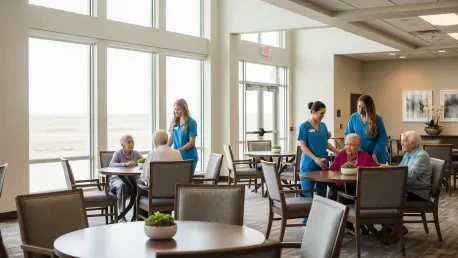
The architectural and interior design of modern adult day facilities reflects a commitment to psychological comfort, utilizing neutral color palettes and tactile elements to create a domestic ambiance. Large windows and communal seating arrangements are strategically placed to encourage natural light and organic conversation, which are essential for maintaining a positive mood among clients. By avoiding the typical clinical aesthetic, these centers help seniors feel more at ease, reducing the anxiety that often accompanies a transition to a new environment or the presence of medical staff. However, this warm and homey atmosphere does not come at the expense of safety, as facilities must adhere to rigorous licensing standards and employ staff members specialized in geriatric wellness. This balance between professional medical oversight and a comfortable living-room feel allows seniors to retain a sense of autonomy and dignity, making the center a preferred alternative to institutional settings.
Cognitive Engagement: Structured Activities for Brain Health
Daily routines at specialized centers are meticulously crafted to provide both physical stimulation and cognitive challenges, ensuring that every hour spent at the facility contributes to overall well-being. Activities such as chair aerobics, guided memory games, and intricate craft projects are not merely recreational but are designed to slow the progression of cognitive decline and improve physical mobility. These structured sessions offer seniors a sense of accomplishment and routine, which is often lost when they are confined to the home environment without specialized engagement. For individuals living with memory loss, these predictable schedules provide a comforting framework that reduces confusion and agitation throughout the day. By focusing on the strengths and remaining abilities of each client, the programs foster a sense of purpose, helping seniors maintain their identity despite the challenges posed by aging. This proactive approach to wellness helps reduce medical crises.
Social Integration: Overcoming the Dangers of Senior Isolation
The social component of adult day care serves as a powerful antidote to the profound isolation that frequently affects the elderly population in rural states like Wyoming. By bringing together peers in a supervised and supportive environment, centers facilitate the formation of organic friendships that might otherwise be impossible for those with limited mobility. These social bonds are crucial for mental health, as they provide an outlet for shared experiences and mutual support among people facing similar life transitions. Participation in group music therapy or communal meals can spark moments of genuine joy and laughter, which have been clinically shown to improve immune function and overall morale. For many seniors, the center becomes a vital social hub where they are recognized as individuals rather than just patients with a diagnosis. This transformation from isolation to inclusion is perhaps the most significant benefit, as it addresses the depression associated with aging.
Financial Accessibility: Navigating Medicaid and Veteran Benefits
Ensuring that these essential services remain accessible to all segments of the population is a primary concern for the leaders of the Casper care community. While centers may initially operate on a private-pay model that is significantly more cost-effective than round-the-clock in-home nursing, there is a clear understanding that financial barriers persist for many families. To address this, organizations are actively pursuing certifications from Medicaid and the Department of Veterans Affairs to expand the pool of eligible participants. Securing these approvals allows a wider demographic of Wyoming seniors, particularly those on fixed incomes or those who have served in the military, to utilize these resources without depleting their life savings. This strategic expansion is necessary to create a truly inclusive care network that does not discriminate based on financial status. By diversifying funding, the centers provide a sustainable model for elder care that survives various economic shifts.
Philanthropic Support: Building a Localized Safety Net for Seniors
The creation of dedicated non-profit foundations represents a philanthropic extension of the care mission, specifically targeting the unique needs of seniors within local counties. These organizations focus on providing the small but critical financial supports that can make the difference between a senior remaining in their home or being forced into an institution. Funds from such foundations were used to cover various expenses that fell outside the traditional scope of medical insurance, such as home modifications or specialized transportation. By building a community-supported safety net, these initiatives reinforced the idea that elder care is a collective responsibility rather than an individual burden. This holistic approach, combining professional services with charitable outreach, provided a comprehensive template for addressing the long-term needs of an aging population. It encouraged local businesses and residents to invest in the future of their own neighbors, ensuring that independence remained a viable option.
Structural Evolution: Strengthening the Statewide Care Infrastructure
The development of integrated adult day care facilities marked a pivotal shift in how the state managed its growing demographic challenges and the resulting strain on families. By providing a structured environment that balanced clinical needs with social engagement, these centers demonstrated that institutionalization was not the only path forward for seniors requiring assistance. The implementation of community-centered models allowed for a more efficient allocation of resources, reducing the pressure on hospital emergency rooms and long-term care beds. This evolution in the care landscape showed that when professional support was made accessible, family caregivers were able to maintain their careers and personal health, creating a more resilient local economy. The transition toward these specialized environments provided a practical solution that addressed both the immediate medical requirements of the elderly and the broader social necessity of keeping them connected to their communities.
Future Considerations: Scaling Sustainable Care Solutions
Moving forward, the success of these programs depended on continued collaboration between private entities, state regulators, and philanthropic organizations to ensure long-term stability. The integration of Medicaid and Veterans Affairs benefits into the adult day care framework served as a crucial step in democratizing access to high-quality support services. Future strategies focused on replicating this model in more rural counties, where the distance between healthcare providers often exacerbated the isolation felt by the elderly. Strategic investments in staff training and specialized dementia care programs further enhanced the ability of these centers to manage increasingly complex cases locally. By prioritizing the dignity and social well-being of the senior population, the state began to build an infrastructure that valued the contributions of its oldest citizens while supporting the families who cared for them. This proactive approach remains essential for navigating the ongoing shifts in Wyoming’s social fabric.