
The landscape of geriatric medicine is currently undergoing a profound transformation as healthcare providers seek more effective ways to manage the recovery process for an aging population. As life expectancy continues to climb, surgical interventions like Total Hip Arthroplasty have transitioned from specialized procedures to standard medical necessities aimed at restoring mobility and addressing the wear of degenerative joint disease. While the technical success of these operations is remarkably high, the subsequent rehabilitation period remains a phase of acute vulnerability for older adults, often marked by a slow return to baseline function. Evidence suggests that traditional recovery protocols, which frequently depend on heavy pharmaceutical intervention, may no longer be the optimal path forward for this demographic. The focus is shifting toward the strategic use of nitrous oxide, a familiar anesthetic agent that is being reimagined as a tool to bridge the gap between surgical success and independence.
Mechanisms of Action: How Nitrous Oxide Affects the Brain
The pharmacological appeal of nitrous oxide in a geriatric context lies in its sophisticated interaction with the brain’s internal signaling pathways, specifically regarding the pain-anxiety cycle. By acting as a partial agonist at GABA receptors, the gas induces a state of mild sedation and anxiolysis, which is crucial for older patients who may experience significant emotional distress during the early stages of mobilization. At the same time, its ability to inhibit NMDA receptors interrupts the transmission of pain signals and reduces the overall excitability of the central nervous system. This dual-action mechanism allows healthcare teams to address both the physical sensation of discomfort and the psychological barriers to movement simultaneously. Unlike many traditional painkillers that only target physical symptoms, this integrated approach recognizes that mental state and physical progress are deeply intertwined during the recovery phase for senior patients.
Furthermore, the specific pharmacokinetics of nitrous oxide offer clinical advantages that are particularly well-suited to the metabolic realities of elderly patients. One of the most significant challenges in treating older adults is the slow clearance of systemic medications, which can lead to prolonged confusion and an increased risk of adverse reactions. Nitrous oxide, however, is characterized by its exceptionally rapid onset and offset, often referred to as a “wash-in and wash-out” effect. This allows medical practitioners to administer the gas precisely when it is needed most, such as during the most demanding portions of a physical therapy session, and then quickly clear it from the patient’s system. Once the administration stops, the effects dissipate almost immediately, ensuring that the patient remains alert and cognitively intact for the remainder of the day, which is essential for maintaining safety and preventing common post-surgical complications in the clinic.
Clinical Methodologies: Measuring the Success of Intervention
To transition this approach from theoretical benefit to standard clinical practice, researchers have employed a double-blinded, randomized controlled trial design to ensure the highest levels of evidence. This methodology serves as the gold standard in medical research because it minimizes the influence of bias from both the participants and the medical staff administering the treatment. By comparing a treatment group receiving a precise concentration of nitrous oxide against a control group receiving a placebo during their rehabilitation sessions, the study provides a clear window into the actual efficacy of the gas. This level of rigor is necessary to confirm that improvements in patient mobility or pain tolerance are directly attributable to the pharmacological intervention rather than secondary factors like the natural healing process or the psychological encouragement provided by the physical therapists. The data collected from these trials is vital for establishing clinical guidelines.
The success of this intervention is evaluated through a multifaceted array of metrics that capture both the subjective experience of the patient and the objective reality of their physical progress. Pain levels are meticulously tracked using the Visual Analog Scale, which provides a quantifiable measure of discomfort before, during, and after physical therapy. In parallel, anxiety levels are monitored through validated psychological assessment tools designed specifically for the clinical environment. Perhaps most importantly, the research focuses on functional recovery outcomes, such as the time it takes for a patient to achieve independent ambulation or the distance they can walk during a single session. By linking psychological comfort with tangible physical achievements, the study highlights how reducing the mental burden of recovery can directly accelerate the body’s ability to regain strength and coordination. These metrics ensure that the evaluation of the treatment is comprehensive.
Safety Standards: Protecting the Vulnerable Elderly Population
Implementing new therapeutic protocols for the elderly requires an unwavering commitment to safety, as older adults possess fewer physiological reserves and are more susceptible to the side effects of anesthesia. The current research protocols incorporate comprehensive monitoring systems to ensure that every patient remains within safe physiological parameters throughout the administration of the gas. Continuous pulse oximetry is utilized to monitor oxygen saturation levels in real time, providing an immediate warning if there is any risk of hypoxia, which can be particularly dangerous for patients with pre-existing cardiovascular or respiratory conditions. Additionally, medical teams conduct frequent cognitive screenings to ensure that the use of nitrous oxide does not contribute to postoperative delirium, a common and serious complication that can significantly delay recovery and reduce the overall quality of life for geriatric patients who are at an increased risk.
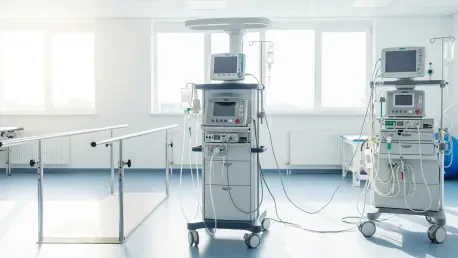
Beyond basic monitoring, the administration of nitrous oxide is controlled through sophisticated delivery systems that allow for high-precision dosing tailored to the individual’s needs. These modern systems ensure that the gas is delivered in a consistent concentration, preventing the fluctuations that could lead to over-sedation or inadequate pain control. The focus on precision is a cornerstone of modern geriatric care, where the goal is to provide the minimum effective dose of any medication to achieve the desired therapeutic outcome. By combining this technical accuracy with a deep understanding of geriatric physiology, healthcare providers can offer a treatment that is both effective and exceptionally safe. This level of oversight ensures that the benefits of reduced anxiety and pain are not offset by new risks, maintaining a net positive impact on the patient’s overall health and the final success of the surgical outcome in the hospital setting.
Opioid Stewardship: Moving Toward Multimodal Analgesia
The introduction of nitrous oxide into postoperative recovery protocols is a significant step forward in the global movement toward opioid stewardship, which seeks to minimize the use of narcotics in medical care. For elderly patients, the risks associated with opioids are particularly severe, ranging from chronic constipation and urinary retention to more dangerous complications like respiratory depression and an increased risk of falls. These side effects can create a secondary set of health problems that are often as difficult to manage as the original surgical recovery itself. By offering a non-opioid alternative that effectively manages both pain and the anxiety that often accompanies physical therapy, clinicians can significantly reduce their reliance on these high-risk medications. This shift is not about eliminating pain relief but about choosing safer, more targeted tools for the specific needs of the patient during the most critical phases of recovery.
This approach is a central component of what is known as multimodal analgesia, a strategy that utilizes a combination of different medications and techniques to manage pain more effectively than any single drug could. By addressing pain through multiple pathways—such as the NMDA inhibition provided by nitrous oxide alongside traditional non-steroidal anti-inflammatory drugs—doctors can achieve superior pain control with lower doses of each individual agent. This synergy not only improves the patient’s comfort but also minimizes the toxic load on their aging liver and kidneys. In the context of geriatric care, this strategy is particularly valuable because it preserves the patient’s cognitive function and physical stability. As healthcare systems continue to battle the long-term consequences of opioid over-prescription, the adoption of these innovative, multimodal strategies represents a more sustainable and patient-focused future for the field of surgical recovery.
Future Horizons: Integrating Holistic Care into Modern Medicine
The successful deployment of nitrous oxide in postoperative settings necessitated the creation of standardized clinical pathways that involved comprehensive training for all members of the rehabilitation team. Physical therapists became proficient in recognizing the subtle interactions between mild sedation and physical effort, while nursing staff managed the specialized equipment required for gas administration in a ward environment. Beyond hospital walls, the potential for using portable, demand-valve systems allowed for this therapy to be extended into skilled nursing facilities and home-health settings, ensuring a continuity of care that was often lacking in previous years. By fostering a culture of interdisciplinary education, healthcare institutions ensured that the technological benefits of this gas were translated into measurable improvements in patient satisfaction and long-term surgical durability. This educational focus was the primary driver for the widespread adoption of the protocol.
The integration of nitrous oxide into geriatric postoperative care established a clear path forward for improving the recovery trajectories of older adults across the healthcare system. By successfully addressing the interconnected nature of physical pain and psychological anxiety, medical teams demonstrated that a more compassionate and targeted approach to rehabilitation was possible in various clinical contexts. The evidence gathered from these multi-year clinical trials provided a foundation for reducing opioid dependence while simultaneously enhancing the safety and speed of functional recovery for vulnerable patients. This shift encouraged the development of specialized delivery systems and rigorous monitoring standards, ensuring that patients were prepared to regain their autonomy safely. Ultimately, the adoption of these innovative methods represented a broader commitment to patient-centered outcomes, where the goal of surgery was not just the repair of a joint, but the return to a high quality of life.