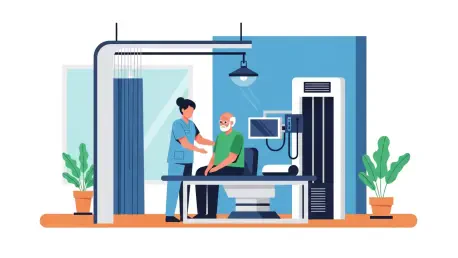

As the demographic landscape of Nigeria undergoes a significant transformation, the rapid increase in the population of citizens aged sixty and above has begun to expose critical vulnerabilities within the national healthcare framework. Historically, the Nigerian social structure relied heavily on the extended family system to provide care for the elderly, yet the forces of urbanization and economic migration have substantially weakened these traditional safety nets. With a healthcare system that has been primarily geared toward pediatric care and infectious diseases, the sudden rise in chronic, age-related conditions presents a complex challenge that requires immediate intervention. The concept of National Wellness Centers has emerged as a potential solution to bridge the gap between hospital care and home-based support, offering a specialized environment for geriatric wellness. These centers aim to provide medical treatment while also fostering social engagement for a demographic that has long been overlooked in policy discussions.
Socioeconomic Barriers to Geriatric Healthcare
The Erosion of Traditional Family Support Networks
The rapid movement of young professionals from rural areas to urban centers, and increasingly to international destinations, has created a significant void in the domestic support systems for older Nigerians. This phenomenon, often driven by the search for better economic opportunities, leaves many seniors living in isolation without the daily assistance they once expected from their children and relatives. This shift is not merely a social change but a structural crisis, as the physical absence of caregivers leads to neglected health needs and increased psychological distress among the elderly. Furthermore, the rising cost of living in major cities like Lagos and Abuja makes it difficult for families to afford professional home care services, which remain largely unregulated and expensive. Consequently, the elderly are often caught in a precarious position where they lack both the traditional family presence and the financial resources to secure alternative care, necessitating a state-led intervention through centers.
Financial Instability and Healthcare Access Challenges
Beyond the social isolation, the financial strain associated with managing age-related health conditions in a country without universal health coverage remains a primary obstacle for many families. Chronic diseases such as hypertension, diabetes, and various forms of dementia require consistent medication and monitoring, which often result in catastrophic out-of-pocket expenses. Most existing health insurance schemes in the region focus on the formal employment sector, frequently excluding retirees or those who worked in the informal economy for most of their lives. Without a dedicated financial framework to support geriatric care, the burden of these costs falls entirely on families whose incomes are already stretched thin by inflation and economic instability. National Wellness Centers could potentially mitigate these financial risks by offering subsidized or state-funded services tailored specifically to the needs of the aged population. By centralizing these resources, the government can achieve economies of scale that are impossible for individual families to reach.
Strategic Frameworks for Wellness Infrastructure
Integrating Comprehensive Care and Professional Training
To be effective, National Wellness Centers must move beyond the traditional hospital model and embrace a multidisciplinary approach that includes physical therapy, nutritional counseling, and mental health services. These facilities should be staffed by specialized geriatricians and nurses who understand the unique physiological and psychological needs of older adults, a specialty that is currently undersupplied in the local medical labor market. Integrating these services under one roof reduces the logistical burden on seniors who would otherwise have to navigate multiple clinics to manage various ailments. Moreover, these centers can serve as hubs for preventive care, focusing on early detection of degenerative diseases and lifestyle modifications that can improve the quality of life in later years. The goal is to create a proactive rather than reactive system, where wellness is maintained through regular check-ups and social activities that prevent the rapid decline often seen in isolated seniors. Such an environment fosters a sense of community that is vital for long-term health.
Technological Solutions and Policy Recommendations
The successful pilot of initial wellness initiatives demonstrated that a technology-driven approach was essential for scaling these services across various regions. Local authorities integrated telemedicine platforms and digital health records into the center operations, allowing for remote consultations that benefited those in more remote areas. This shift not only improved data collection on elderly health trends but also empowered caregivers with real-time access to professional advice and emergency support. Policymakers recognized that the transition required a significant investment in specialized training for healthcare workers to ensure that the unique needs of the elderly were met with competence and empathy. By prioritizing public-private partnerships, the government established a sustainable funding model that reduced the reliance on state budgets alone. These steps transformed the national approach to aging from a perceived burden into a manageable social responsibility. Moving forward, the focus shifted toward expanding these centers into every local government area to ensure equitable access.