
The arrival of a medical technology capable of decoding the electrical whispers of a developing brain while still in the womb signals a departure from the guesswork that has long defined the labor and delivery room. For decades, obstetric care has functioned under a cloud of data ambiguity, relying on secondary physiological signs to guess at the primary neurological health of the fetus. The strategic alliance between Wavelet Medical and Aegis Ventures is now dismantling this uncertainty by introducing the world’s first non-invasive, AI-powered fetal electroencephalography (EEG) platform. This partnership does more than just launch a product; it establishes a new analytical framework for maternal health that prioritizes direct cerebral observation over indirect cardiovascular proxies.
The Limitations of Traditional Fetal Heart Rate Monitoring
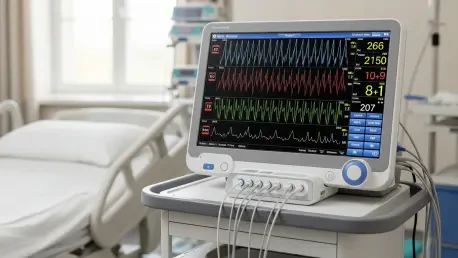
Understanding the necessity of this market shift requires an honest assessment of Fetal Heart Rate Monitoring (FHM), a technology that has remained largely stagnant for more than fifty years. While FHM is the global clinical standard, it remains a notoriously imprecise instrument for gauging actual brain safety. Heart rate fluctuations are often indeterminate, leading clinicians into a defensive posture where the fear of missing a distress signal outweighs the clarity of the data. This systemic ambiguity has fostered a medical culture where “better safe than sorry” results in an escalation of surgical interventions that do not always correlate with better infant outcomes.
The reliance on these vague indicators has created a cycle of high-intensity intervention that the healthcare market is no longer willing to ignore. Despite the widespread use of electronic monitoring, the incidence of preventable birth-related brain injuries has not seen a corresponding decline in proportion to the rise in Cesarean sections. This discrepancy highlights a fundamental gap in the market: the need for a diagnostic tool that provides definitive evidence rather than suggestive patterns. By moving away from heart rate as a solitary metric, the industry can finally address the root causes of obstetric inefficiency and patient risk.
Redefining Clinical Precision Through Innovation
Bridging the Gap: Moving Toward Brain-First Assessment
The innovation at the heart of the Wavelet platform is its focus on the fetal brain as the primary indicator of well-being. By utilizing a specialized abdominal belt, the system bypasses the circulatory system’s lag, offering a real-time look at neurological function. This transition is critical for identifying hypoxia and other distress markers that may not be immediately apparent through heart rate changes alone. Consequently, clinicians gain the ability to distinguish between harmless physiological shifts and genuine threats to the central nervous system, reducing the legal and clinical pressure to perform emergency surgeries prematurely.
The Signal and the Noise: Artificial Intelligence as a Filter
A major obstacle to non-invasive fetal EEG has always been the biological “noise” generated by the mother’s own body. The faint electrical signals of a fetal brain are frequently buried under the mother’s heartbeat and muscle contractions. Wavelet’s proprietary AI algorithms, born from extensive research at Yale University, have solved this engineering puzzle by filtering environmental and maternal interference in real-time. This signal reconstruction provides quantitative markers that are as accurate as sensors placed directly on a neonate’s scalp. This capability transforms a theoretical laboratory concept into a rugged, bedside-ready clinical tool.
Global Validation: Testing Across Diverse Environments
Moving a disruptive technology into the mainstream requires a massive footprint of clinical proof, which this partnership is currently building through diverse institutional testing. The platform is undergoing rigorous validation at major healthcare hubs, including LA General Hospital and Yonsei University Health System. By expanding these trials to both urban centers and rural clinics, the partnership ensures the technology remains reliable regardless of the patient’s demographic or the facility’s resource level. This broad validation strategy is essential for convincing regulatory bodies and insurance providers that AI-enhanced EEG is a viable successor to traditional methods.
Anticipatory Medicine and the Future of Maternal Health
The current landscape of obstetrics is moving rapidly toward a model of anticipatory medicine, where the objective is to predict complications before they escalate into crises. Supported by $7 million in initial funding, the Wavelet and Aegis collaboration is a primary driver of this shift, leveraging new biomarkers to forecast neonatal health with unprecedented certainty. As machine learning models continue to ingest more complex data, these monitoring platforms will likely integrate maternal vitals and genetic markers to offer a holistic view of the birthing process. This predictive capability will inevitably redefine how hospitals allocate resources during high-risk deliveries.
Strategies for Integrating Direct Neurological Monitoring
Integrating such a significant technological leap requires a thoughtful approach to hospital workflow and staff education. For healthcare administrators, the goal is to use these AI-driven insights to lower the rate of unnecessary C-sections by giving doctors the confidence to wait when the data shows a stable fetal brain. Training programs must focus on helping nurses and physicians interpret these new quantitative markers in tandem with traditional vitals. By adopting these advanced tools, institutions can improve their safety metrics, lower the costs associated with surgical recovery, and provide a more personalized, data-backed experience for families.
Establishing a New Standard for Birth Safety and Outcomes
The partnership between Wavelet Medical and Aegis Ventures successfully transitioned fetal monitoring from a reactive discipline to a proactive science. By providing a direct window into the fetal brain, the collaboration addressed the most persistent flaws in modern obstetric care. The adoption of this platform across global health systems was intended to drastically reduce the frequency of birth injuries while streamlining the labor process. Moving forward, the focus was placed on expanding these capabilities to include long-term developmental tracking, ensuring that the insights gained during labor continued to benefit the child well into infancy. Clinical protocols were subsequently updated to reflect this shift, making neurological clarity the definitive metric for a safe delivery.