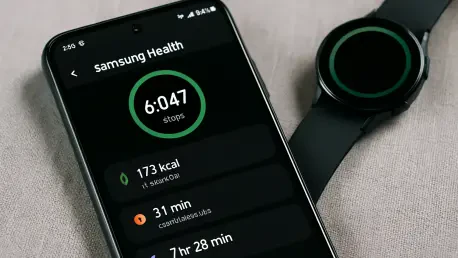

The evolution of wearable technology has reached a critical juncture where the mere collection of biometric data no longer satisfies the sophisticated demands of health-conscious consumers who require more than just numbers. Samsung is addressing this shift by officially transitioning its Galaxy Health platform from a passive monitoring system into a proactive, artificial intelligence-driven ecosystem designed to act as a digital health companion. Scheduled for a rollout starting in early June, this update leverages advanced algorithms to synthesize raw information into real-time, actionable insights that help users navigate their daily physical and mental wellness. By moving away from static charts and toward predictive guidance, the platform seeks to eliminate the ambiguity often associated with health tracking, providing a clear narrative of a person’s biological state. This strategic pivot ensures that the Galaxy Watch and its associated ecosystem serve not just as trackers, but as essential tools for informed living in the current year.
Intelligent Guidance: Bridging the Gap Between Data and Action
Complex health data often remains underutilized because the average individual lacks the medical expertise necessary to interpret fluctuating heart rates or erratic sleep patterns without specific context. Samsung identifies this gap and introduces intelligent daily guidance to simplify the user experience by analyzing various metrics to offer highly personalized recommendations throughout the day. Instead of presenting a fragmented view of disparate data points, the AI engine connects dots between activity levels and recovery needs to create a cohesive picture of overall health. This approach transforms the wearable from a silent observer into an active participant in the user’s wellness journey, ensuring that every piece of information collected serves a specific purpose. By focusing on the utility of the data, the system helps bridge the divide between biological readings and the practical lifestyle choices that influence long-term health outcomes.
To provide a more accurate representation of general health, the platform introduces advanced monitoring features like Vitals and the Heart Health Score, which utilize sophisticated algorithms. The system specifically analyzes five key biometric markers, including heart rate variability and respiratory rate, to establish a personalized baseline unique to every specific user. By understanding what constitutes a normal state for an individual, the AI can more effectively identify subtle deviations that might otherwise go unnoticed during a standard manual check. These early indicators of stress or potential illness allow for a more defensive approach to personal healthcare, enabling users to adjust their routines before minor issues become significant problems. This shift toward personalized baselines marks a departure from generic health standards, acknowledging that every human body responds differently to external stressors and internal biological changes in 2026.
Performance and Metrics: Optimizing Wellness Through Ecosystem Integration
Fitness enthusiasts and professional athletes alike often struggle with the fine line between pushing their limits and experiencing physical burnout due to inadequate recovery periods. To solve this common dilemma, Samsung has engineered tools such as Daily Cardio Load and the Fitness Index, which are designed to optimize physical performance through data-driven analysis. The AI calculates the total cardiovascular strain accumulated throughout a single day and compares it against the user’s historical capacity to recommend the ideal level of exercise intensity. By providing specific guidance on when to intensify a workout and when to prioritize rest, the system helps prevent overtraining and the injuries that often follow. This level of optimization ensures that every session is as productive as possible, allowing users to reach their physical goals more efficiently without compromising their long-term health or causing unnecessary exhaustion.
The implementation of these proactive AI tools effectively changed the landscape of personal health management by shifting the focus from historical data to future prevention. Users found that the new Energy Score served as a vital indicator for planning their daily activities, allowing them to better align their schedules with their actual physical readiness. Future success for users depended on the consistent integration of these insights into broader healthcare routines, utilizing the detailed reports to facilitate deeper discussions with medical providers. The evolution of this platform demonstrated that technology could serve as a bridge between professional medical advice and everyday lifestyle choices, provided the data remained accessible and relevant. As these systems matured, the emphasis moved toward long-term sustainability, which suggested that the next logical step involved even deeper integration with smart home environments to automate wellness-supportive settings.