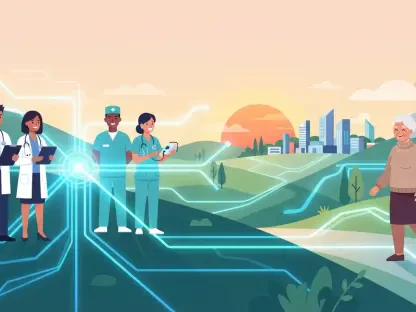

Across the vast landscapes of California, thousands of Spanish-speaking residents navigate a healthcare system that frequently fails to interpret the nuanced language of psychological distress, leading to a profound discrepancy in mental health outcomes compared to their English-speaking counterparts. This linguistic disconnect is not merely a matter of translation but a systemic barrier that prevents millions from accessing the life-saving support they deserve. When a standardized screening tool is directly translated without regard for cultural idioms or emotional expression, the subtle signs of depression and anxiety often vanish in the gaps between words. Current data suggests that Latino communities remain significantly underserved, experiencing higher rates of untreated chronic stress while simultaneously facing a shortage of bilingual clinicians. Achieving true health equity requires a fundamental shift in how providers approach these initial interactions, transforming them from rigid checkboxes into culturally resonant dialogues. By prioritizing linguistic precision, the medical community can finally begin to dismantle the long-standing inequities that have historically sidelined vulnerable populations in the Golden State.
Early Detection: The Value of Proactive Screening
Establishing a robust framework for early detection acts as a vital early warning system, enabling healthcare practitioners to identify burgeoning symptoms of trauma or anxiety before they manifest as incapacitating crises. Unlike a formal clinical diagnosis, which requires extensive psychiatric evaluation, a screening is a rapid assessment intended to flag individuals who would benefit from deeper intervention and specialized support. Implementing these tools systematically during routine physical exams or prenatal visits helps to normalize mental wellness as a standard component of total body health rather than a separate, stigmatized concern. When practitioners utilize these assessments proactively, they create a safety net that catches individuals who might otherwise suffer in silence, potentially preventing job loss, family breakdown, or severe physical complications. This preventative model shifts the focus from reactive emergency care to long-term stability, ensuring that the first point of contact within the medical system is both welcoming and clinically effective.
The integration of refined screening protocols into primary care settings serves to bridge the gap between physical health and emotional stability by fostering an environment of trust and transparency. Patients who might feel hesitant to seek out a mental health specialist are often more comfortable discussing their feelings with a family physician they have known for years. By embedding Spanish-language screenings into these familiar environments, the medical system effectively lowers the threshold for entry into psychological services. This approach also helps to educate the broader community on the fact that mental struggles are common and treatable conditions rather than personal failures or character flaws. As these conversations become a routine part of medical visits, the associated stigma begins to dissolve, allowing patients to speak more freely about their internal experiences without the fear of judgment or misunderstanding. Ultimately, this integration empowers individuals to take ownership of their mental well-being in the same way they would manage a condition like hypertension.
Cultural Nuance: Bridging the Linguistic and Cultural Gap
Meaningful clinical engagement requires much more than a literal, word-for-word translation of English questionnaires into Spanish, as the nuances of language often dictate how symptoms are reported. In many Latino cultures, psychological distress frequently manifests through physical ailments, such as persistent headaches, stomach pain, or chronic fatigue, a physiological phenomenon formally known as somatization. If a screening instrument is not specifically calibrated to recognize these physical expressions of emotional pain, practitioners risk dismissing serious underlying conditions or misidentifying them as purely biological issues. Linguistic accuracy acts as the primary vehicle for high-quality care, ensuring that a patient’s description of “nervios” or “tristeza” is understood within its correct cultural context. Without this level of cultural competency, the healthcare system continues to provide a one-size-fits-all solution that fails to resonate with the lived realities of a diverse population, thereby perpetuating a cycle of misdiagnosis and inadequate treatment.
The inherent link between emotional well-being and physical health is virtually inseparable, particularly when considering how untreated mental health conditions exacerbate chronic illnesses such as heart disease and diabetes. Within the Latino community, where rates of metabolic syndromes are often higher due to various socioeconomic factors, the impact of unaddressed depression or chronic stress can be devastating. These psychological factors act as “force multipliers,” reducing a patient’s ability to adhere to medication schedules or maintain the lifestyle changes necessary for managing long-term physical ailments. By improving the precision of initial screenings, the healthcare system can address these intersecting issues holistically, improving not only individual health outcomes but also family stability and overall workplace productivity. Accurate, culturally sensitive screening is therefore not an optional luxury but a fundamental necessity for a functional and resilient public health infrastructure. It ensures that every aspect of a patient’s life is considered, leading to more sustainable recovery.
Integrated Solutions: Overcoming Barriers through Community and Innovation
Navigating the complex landscape of mental healthcare is often fraught with significant obstacles, ranging from deep-seated cultural stigmas to the sheer logistical hurdles of an intimidating bureaucratic system. Many Spanish-speaking individuals face a daunting choice between seeking help and avoiding the potential judgment of their peers or the financial strain of uncovered medical costs. To address these challenges, support is frequently channeled through trusted local networks, specifically community health workers known as promotores, who serve as indispensable bridges between families and formal medical institutions. These individuals possess a unique understanding of the cultural nuances and local challenges that professional clinicians might overlook, allowing them to provide personalized guidance and advocacy. By integrating refined screenings directly into community-based settings, healthcare organizations can effectively demystify the process of seeking help, making professional support feel less like a luxury and more like a reachable resource.
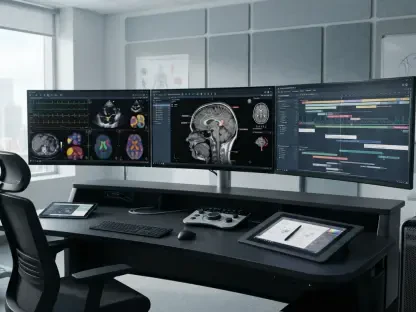
Technological advancements, including sophisticated artificial intelligence, offered new avenues for expanding care in regions where bilingual providers were in critically short supply. These innovations allowed for the rapid triage of patients, identifying those in the most urgent need of psychiatric support and directing them to appropriate resources with speed. However, stakeholders recognized that these digital tools required strict oversight to eliminate cultural bias within their algorithms. The successful refinement of Spanish-language screenings ultimately necessitated a multi-layered approach that prioritized cultural competence alongside clinical rigor. Decision-makers invested in the development of assessment tools that reflected specific idioms, effectively removing the language tax that often burdened non-English speakers. This evolution established a new standard for inclusive medicine, demonstrating that when cultural context was respected, the overall health of the entire population improved significantly. Future systems adopted these learnings to ensure equity.