
Bridging the Care Gap: The Dawn of Turn-Key RPM for Independent Pharmacies
The landscape of community healthcare is undergoing a transformative shift as a new strategic partnership introduces a comprehensive, “out-of-the-box” Remote Patient Monitoring (RPM) program tailored specifically for independent pharmacies. By combining the strengths of telehealth providers, hardware platforms, and operational support firms, this initiative offers a seamless entry into clinical services.
The program is designed to bridge the critical care gap for patients with chronic conditions between their traditional office visits. This ensures that vital health data is monitored continuously rather than sporadically, transforming the pharmacy from a simple dispensary into a vital clinical hub.
From Barriers to Breakthroughs: The Evolution of Remote Monitoring in Pharmacy
Historically, independent pharmacies faced significant hurdles when attempting to implement remote monitoring services. The complexities of sourcing reliable medical devices and managing the technical support required for data transmission often proved insurmountable for smaller operations with limited administrative bandwidth.
However, foundational shifts in the regulatory landscape, such as the 2019 updates to CMS general supervision rules, paved the way for a more integrated approach. These changes allow clinical staff to manage equipment under streamlined oversight, setting the stage for modern collaborations to simplify the patient care lifecycle.
A Strategic Alliance: Revolutionizing the Pharmacist’s Clinical Role
This new strategic alliance removes the operational friction that previously hindered pharmacy-led clinical programs. By dividing responsibilities among specialized partners, the initiative eliminates the technical guesswork often associated with high-tech health monitoring.
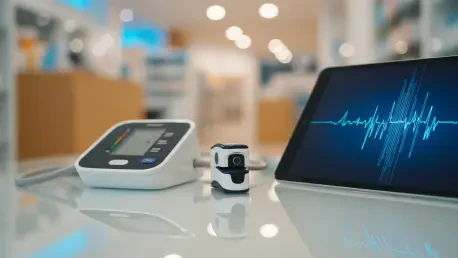
The collaboration allows local providers to offer advanced tools like cellular-connected blood pressure cuffs without managing complex software development. This structured approach empowers pharmacists to focus on patient outcomes rather than backend logistics.
Simplifying the Complex: Overcoming Historical Operational Hurdles
The core of this initiative lies in its ability to strip away the financial barriers to entry. A “no-cost entry point” allows pharmacies to begin helping patients and receiving Medicare Part B reimbursements without the burden of a massive upfront capital investment.
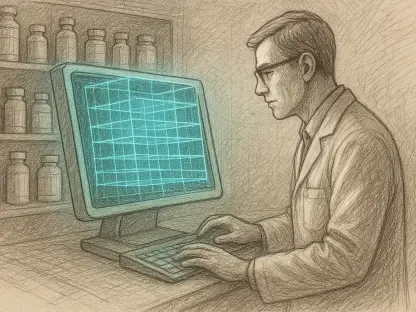
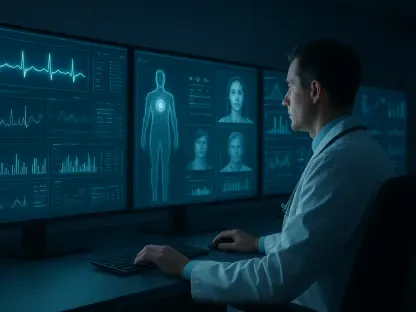
By utilizing turn-key systems, pharmacies can deploy medical hardware that connects automatically to a central dashboard. This automation ensures that physiological signals are captured accurately and shared with the broader healthcare team in real time.
Leveraging Local Trust: Enhancing Chronic Care Management in Rural Communities
The program leverages the high-trust relationship that exists between independent pharmacists and their local neighborhoods. In many rural settings, the pharmacist is the most accessible healthcare professional, often serving as the primary point of contact for the medical system.
Patient engagement increases significantly when monitoring equipment is recommended by a familiar face. This localized rapport ensures better adherence for those managing hypertension, diabetes, and COPD, leading to earlier clinical interventions and improved health metrics for vulnerable populations.
Navigating the Regulatory Landscape: CMS Guidelines and Reimbursement Models
While the technology is impressive, the program’s viability depends on a clear understanding of the financial framework. Current CMS guidelines permit reimbursement for device supply and monthly data monitoring, creating a sustainable revenue stream for community pharmacies.
Many independent owners previously believed RPM was the exclusive domain of large hospital systems. This partnership proves that small clinics can thrive by utilizing the general supervision model to demonstrate measurable clinical value to payers and providers.
Shaping the Future: Integrated Care and the Expansion of Telehealth Services
The rapid adoption of this program signals a broader trend toward the decentralization of chronic care. As the industry moves away from episodic treatment and toward continuous management, integrated telehealth solutions will become the standard for community-based practices.
Future developments are expected to include expansion into commercial insurance markets and the integration of more diverse diagnostic tools. This evolution will provide invaluable insights into medication efficacy, leading to a more personalized and proactive healthcare experience nationwide.
Strategic Implementation: Best Practices for Integrating RPM Into Daily Operations
Success begins with a clear implementation strategy that identifies high-risk patients who stand to benefit most from continuous monitoring. Integrating these tasks into the existing workflow, rather than treating them as a separate department, allows pharmacies to maximize impact.
Designating a specific staff member to oversee the data dashboard ensures that clinical alerts are addressed promptly. Utilizing educational resources from partner firms can also help in communicating the tangible health benefits of the program to both patients and local physicians.
Conclusion: A New Paradigm for Community-Based Clinical Excellence
The launch of this turn-key RPM program represented a pivotal moment for independent pharmacies seeking to provide sophisticated, data-driven care. By bridging the gap between clinical data and patient trust, this partnership ensured that chronic disease management became more accessible in underserved regions.
Pharmacists who adopted these systems recognized that the most effective path forward involved establishing dedicated clinical hours to manage data reviews. This transition empowered local hubs to participate in value-based care contracts, proving that community intervention lowered hospital readmission rates. Future growth depended on the ability to integrate behavioral health tracking into the existing digital framework to address holistic wellness.