
The geographic isolation of high-altitude settlements in Jammu and Kashmir no longer serves as an insurmountable barrier to receiving life-saving medical intervention during critical emergencies. This transformation is driven by an ambitious administrative agenda that seeks to dismantle the historical disparity between advanced urban medical centers and the underserved rural periphery. By recalibrating the healthcare ecosystem toward a technology-integrated model, the region is actively moving away from antiquated referral systems that often compromised patient outcomes during transit. Instead, a new paradigm of localized excellence is emerging, where tertiary-level diagnostic and treatment capabilities are being embedded within district frameworks. This systemic shift is not merely about increasing the number of hospital beds but involves a comprehensive restructuring of how healthcare is delivered, managed, and monitored across varied terrains. The ultimate objective is to establish a resilient medical infrastructure that functions with the precision of a high-tech network while remaining deeply accessible to the most vulnerable.
Enhancing Life-Saving Infrastructure and Regional Accessibility
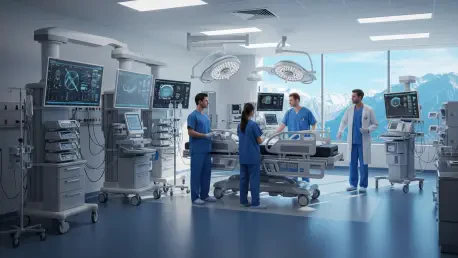
Central to this modernization is the elevation of emergency medicine and trauma services as the primary benchmark for institutional performance and healthcare quality across the entire region. Recognizing that rapid response is the definitive factor in survival during life-threatening scenarios, the government is establishing dedicated critical care units across major medical facilities to provide high-level intervention. These units are equipped with advanced life-support technology and staffed by specialized personnel trained to handle complex polytrauma and acute medical crises during the critical “golden hour.” This focused investment aims to significantly boost patient outcomes by ensuring that advanced stabilization techniques are applied immediately upon arrival at any major health center. Furthermore, the integration of these services into a unified network allows for seamless coordination between field paramedics and hospital-based trauma teams, creating a life-saving chain of care.
To prevent the chronic overcrowding of major tertiary hospitals in Srinagar and Jammu, the administration is aggressively pursuing the decentralization of specialized healthcare services through massive upgrades. By enhancing the diagnostic and surgical capabilities of District and Sub-District Hospitals, specialized care is being brought directly to the grassroots level, ensuring that geography does not dictate quality. This equitable distribution of medical resources alleviates the immense pressure on central hubs while empowering local communities with facilities that were previously only available in metropolitan areas. Patients now find that complex procedures and specialized consultations can be performed closer to home, reducing the financial and emotional burden of traveling long distances for care. This strategy effectively transforms local hospitals into robust centers that can independently manage a high volume of cases without referring every patient to urban centers for treatment.
Expanding Medical Expertise and Digital Health Solutions
The long-term sustainability of these radical healthcare reforms hinges entirely on a robust workforce of highly trained medical professionals who are capable of operating in a modernized environment. To meet this critical need, the region is significantly increasing its capacity for medical education by proposing and implementing hundreds of new seats for undergraduate and postgraduate programs. By fostering local talent and expanding academic opportunities in super-specialty disciplines, the healthcare system aims to achieve complete self-sufficiency in specialized expertise within a few years. This expansion is not limited to physicians but also encompasses specialized nursing and paramedical training to ensure that every layer of the system is staffed by competent experts. Investing in the intellectual capital of the medical community ensures that the region can maintain high standards of care while reducing its reliance on outside talent for complex clinical requirements.
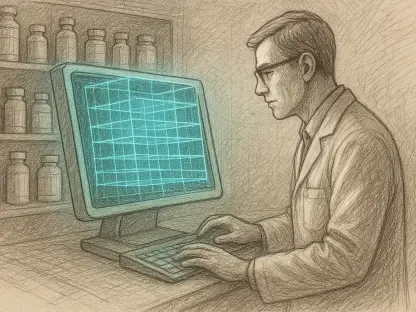
Technology serves as a critical bridge in this modernization effort through the widespread implementation of a sophisticated “hub-and-spoke” digital model that connects various levels of care. Tele-ICU capabilities, virtual medical boards, and remote radiology services are being deployed to link rural clinics with top-tier specialists located in the region’s premier medical institutions in real time. These digital interventions allow for collaborative diagnosis and high-level consultations, ensuring that even the most remote patients benefit from the specialized expertise of the region’s best doctors. By utilizing high-speed data networks, physicians in mountain villages can share diagnostic imagery and patient vitals with specialists for immediate second opinions. This model effectively democratizes access to elite medical knowledge, breaking down the physical walls of the hospital and extending the reach of advanced medicine into every corner of the difficult geographic terrain.
Advancing Specialized Research and Holistic Care Frameworks
Beyond immediate clinical care, the establishment of the Jammu and Kashmir Research Consortium signals a profound shift toward evidence-based medicine and the introduction of cutting-edge services. Partnerships between premier institutions are currently paving the way for advanced procedures, such as liver transplants and complex biliary care, which were previously unavailable within the region. This commitment to indigenous research and high-end surgery ensures that the medical system stays ahead of evolving health challenges by developing local solutions for local epidemiological patterns. The consortium facilitates multi-center studies and clinical trials that elevate the academic profile of regional hospitals while providing patients with access to the latest therapeutic innovations. By prioritizing specialized research, the administration is transforming the territory from a consumer of medical services into a contributor to medical science, fostering a culture of continuous learning.
Addressing the growing complexities of mental health and substance abuse has become another central pillar of the current healthcare reform strategy to ensure a holistic approach to wellness. A comprehensive, three-tier service delivery framework has been introduced to provide community-based support, early identification of psychological distress, and long-term rehabilitation for patients. By integrating digital platforms like Tele-MANAS with grassroots training programs for primary health workers, the administration is creating a supportive “circle of care” that reaches the vulnerable. This system emphasizes the destigmatization of mental health issues and provides accessible counseling services to individuals who might otherwise suffer in silence due to social barriers. The integration of psychiatric care into the general medical framework ensures that mental well-being is treated with urgency, creating a healthier society that addresses both psychological and physical health needs.
Public Safety: Institutional Governance and Future Outcomes
Preventive healthcare is being prioritized through the implementation of rigorous regulatory oversight and the modernization of food safety standards to protect the population from avoidable risks. Increased enforcement actions and the expansion of laboratory testing capabilities are being utilized to mitigate public health threats before they escalate into conditions requiring hospitalization. To guarantee the success of these initiatives, a new framework of professional accountability and institutional performance monitoring has been established across the board. By setting clear operational milestones and utilizing advanced IT-based tracking systems, the administration ensures that every medical institution meets its specific development targets. This focus on transparent governance and meticulous planning aims to create a healthcare system that is not only technologically advanced but also consistently reliable and accountable to the public, fostering a culture of excellence.
The transition toward a modernized healthcare system in Jammu and Kashmir required a decisive shift in strategy that prioritized digital integration and specialized workforce development over traditional models. Administrative leaders moved to standardize protocols across all districts, ensuring that the progress made in urban centers was mirrored in the most remote mountain outposts through funding. Future success was predicated on sustaining these technological gains by securing long-term maintenance contracts for medical equipment and fostering continuous professional education for staff. Strengthening the public-private partnership model also provided the necessary capital for the next phase of infrastructure expansion without overextending regional budgets. By maintaining this momentum, the healthcare system positioned itself to handle future epidemiological shifts with resilience while remaining a model for regional medical excellence.