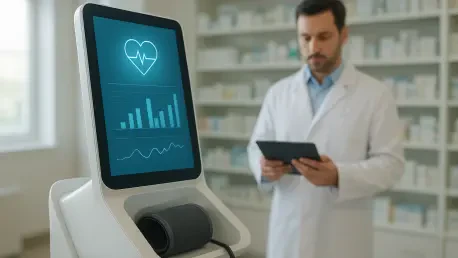

Strategic placement of health screening kiosks in retail environments like Walmart and CVS provides public health officials with immediate data that national surveys often lag behind by years. The traditional framework of healthcare is undergoing a significant structural transformation driven by the integration of advanced self-service technologies. While these tools were once limited to simple administrative tasks like patient check-ins, they have now moved into the core of clinical care and public health surveillance. This shift is characterized by the use of automated kiosks and sophisticated dispensing systems that do more than just offer convenience; they act as a catalyst for improving health outcomes and optimizing the workflow of medical professionals. This evolution allows healthcare systems to leverage automation as a sophisticated tool for disease detection and medication access. By analyzing how these technologies generate high-resolution data and streamline pharmacy operations, a clearer picture of a modern infrastructure emerges. The focus is no longer just on saving time, but on creating a more responsive and data-driven environment that benefits both the individual patient and the broader population.
Population Health: Leveraging Real-Time Data for Surveillance
Health kiosks strategically placed in high-traffic retail environments have become a vital source of population-level health data. Unlike traditional national surveys, which often suffer from multi-year time lags and lack local granularity, these kiosks provide a new window into public health crises like hypertension. Because they collect information in real-time from individuals who may not regularly visit a doctor, they offer a more immediate and inclusive picture of community health across thousands of counties. This high-resolution data allows researchers and officials to identify specific geographic hotspots where health issues are most prevalent. For instance, recent studies have used kiosk data to pinpoint clusters of high blood pressure in specific regions of the Midwest and Southeast, as well as overlooked areas in the West. This level of detail is essential for identifying where intervention resources, such as educational campaigns and mobile clinics, are most urgently needed and ensures that resources are allocated based on current clinical reality rather than outdated statistical projections.
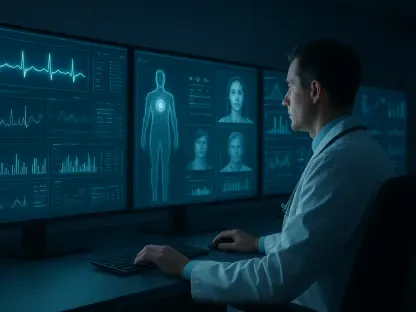
The ability to capture physiological metrics at the point of commerce transforms the pharmacy into a sentinel station for chronic disease. As users engage with these systems during their routine shopping trips, they contribute to a massive, anonymized database that tracks the efficacy of public health initiatives in near-real-time. This feedback loop is revolutionary for managing conditions that are often asymptomatic until they reach a critical stage. Instead of waiting for a patient to present at an emergency room with a stroke, the system identifies rising trends in regional blood pressure levels, prompting local health departments to initiate targeted screening programs. This proactive surveillance model shifts the burden of detection away from the individual and places it onto an intelligent, distributed network. Furthermore, the integration of these data points into broader epidemiological models allows for a more nuanced understanding of how environmental and socio-economic factors influence health outcomes at the neighborhood level, providing a level of precision that was previously unattainable through traditional clinical methods.
Bridging the Divide: Reaching Underserved Demographics
Beyond geography, automated screening tools are proving highly effective at reaching populations that are historically underrepresented in traditional health surveys. This includes younger individuals, racial and ethnic minorities, and residents of rural pharmacy deserts. Data reveals that these groups often use kiosks as a primary point of health contact, providing critical insights into awareness and control levels for chronic conditions within these communities. By identifying these disparities, public health officials can move away from one-size-fits-all strategies. The ability of kiosks to engage people in their daily environments, such as pharmacies or grocery stores, lowers the barrier to entry for health monitoring. This proactive approach ensures that those who are most at risk are no longer invisible to the healthcare system, allowing for more equitable distribution of care. These automated touchpoints serve as an essential bridge, connecting disenfranchised individuals with the formal medical establishment by providing a low-pressure, non-judgmental environment for initial health assessments.
The expansion of self-service technology into rural areas specifically addresses the profound shortage of medical professionals in isolated regions. In many of these pharmacy deserts, the nearest clinic may be dozens of miles away, making regular blood pressure or glucose monitoring a significant logistical challenge. Kiosks fill this gap by providing consistent, reliable access to basic diagnostic tools. Moreover, the data collected from these remote sites helps state health agencies understand the unique challenges faced by rural populations, such as higher rates of uncontrolled hypertension or lower access to primary care physicians. This insight facilitates the deployment of mobile health units and the expansion of telehealth services to the areas where they will have the greatest impact. By leveraging automation to reach the periphery of the healthcare network, the system ensures that the benefits of technological progress are shared across all demographic lines. This inclusive strategy effectively democratizes health information, empowering individuals in underserved areas to take an active role in managing their long-term wellness.
Operational Efficiency: Streamlining Pharmacy Access and Care
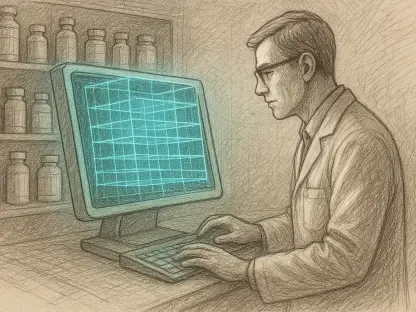
The clinical utility of self-service technology extends into the therapeutic realm through automated dispensing systems and prescription collection lockers. These mechanical pharmacies address the need for improved timeliness and access, allowing patients to collect medications twenty-four hours a day without being restricted by traditional operating hours. For the patient, this means reduced wait times and greater flexibility in managing their treatments, which is particularly beneficial for those with non-traditional work schedules. For the healthcare provider, the efficiency gains from these systems are substantial. By automating the mechanical tasks of pill counting and labeling, a single machine can save hundreds of staff hours per month. This time reclamation is a significant benefit, as it allows pharmacists to shift their focus away from manual labor and toward high-value clinical activities. These activities include patient counseling, complex medication management, and active collaboration with physicians to optimize therapeutic outcomes for patients with multiple chronic conditions.
Furthermore, the implementation of automated lockers reduces the congestion often found at pharmacy counters, creating a more organized and professional environment for both staff and customers. When the routine task of picking up a refill is handled by a secure, automated system, the pharmacist is freed to handle more sensitive or complicated consultations without the pressure of a growing line of waiting patients. This separation of duties ensures that the logistical aspects of pharmacy work do not compromise the quality of clinical interactions. In high-volume settings, such as hospital outpatient pharmacies or large urban retail locations, these systems are essential for maintaining a high standard of care while managing an increasing volume of prescriptions. The precision of automated counting also minimizes the risk of human error in the filling process, adding an extra layer of safety to the dispensing workflow. By integrating these systems, pharmacies can operate more like clinical hubs rather than just retail distribution points, marking a significant evolution in the role of the pharmacist within the modern care team.
Safety and Standards: Integrating Professional Clinical Oversight
Despite the clear benefits of efficiency, the integration of pharmacy automation introduces a tension between convenience and the necessity of professional oversight. When a patient interacts only with a machine, there is a risk that they might miss out on vital counseling regarding drug interactions or potential side effects. To address this concern, the industry is moving toward hybrid models that combine the speed of automation with the expertise of human clinicians. An effective hybrid approach involves linking smart vending machines with telepharmacy services. In this setup, a patient can consult remotely with a pharmacist to verify the appropriateness of a medication before it is dispensed. This ensures that the physical convenience of a kiosk does not come at the cost of patient safety. In this context, the machine is viewed as a complement to the professional, rather than a total replacement. This model preserves the critical human element of healthcare while still capturing the benefits of technological efficiency and expanded access.
Maintaining clinical standards in an automated environment also requires the implementation of sophisticated software safeguards. Modern dispensing systems are programmed to cross-reference new prescriptions with a patient’s existing medication history, flagging potential contraindications before a single pill is released. If a conflict is detected, the system can automatically trigger a mandatory consultation with a remote pharmacist. This layer of digital oversight acts as a fail-safe, ensuring that even in an automated setting, the highest standards of pharmacological care are upheld. Furthermore, these systems provide a complete digital audit trail for every transaction, enhancing accountability and transparency in the medication supply chain. By embedding clinical decision support directly into the hardware, healthcare providers can mitigate the risks associated with self-service models. The goal is to create a system where technology handles the repetitive and data-intensive tasks, while the human pharmacist intervenes at critical decision points to ensure that each patient receives personalized, safe, and effective treatment.
Inclusive Design: Overcoming Technical and Physical Barriers
While self-service technology has the potential to expand access, it also presents unique challenges regarding equity and digital literacy. Individuals with physical disabilities, those who speak different languages, or those with limited technical experience may find automated systems difficult to navigate. Furthermore, current technical limitations, such as the inability of many machines to store refrigerated medications like insulin, limit the scope of what can be fully automated. To truly transform public health, these systems must be designed with radical inclusivity in mind. This means implementing multilingual interfaces, audiovisual guidance, and simplified instructions to ensure that the technology does not exacerbate existing health disparities. By prioritizing inclusive design, healthcare systems can ensure that these tools serve as a bridge to care for everyone, regardless of their background or technical ability. The success of these technologies depends on their ability to accommodate a diverse range of user needs without requiring extensive specialized knowledge.
Physical accessibility remains a critical frontier in the development of healthcare kiosks. For a system to be truly effective, it must be usable by patients in wheelchairs, those with visual impairments, or individuals with limited manual dexterity. This involves not only the height and placement of the touchscreen but also the tactile feedback provided by the dispensing interface. Developers are increasingly focusing on universal design principles to ensure that the hardware is as accessible as possible. Beyond the physical interface, the software must be intuitive enough for those who are not digitally native. Providing clear, step-by-step instructions and the option to speak with a live representative via video link can help alleviate the anxiety some users feel when interacting with complex machinery. As these systems evolve, addressing the cold storage requirements for biologics and specialty medications will also be necessary to broaden the clinical impact of automated dispensing. Solving these technical and design hurdles is essential for moving from a niche convenience tool to a universal component of the public health infrastructure.
Data-Driven Action: Orchestrating a Responsive Health Infrastructure
When viewed as a whole, these technological advancements suggest that self-service tools are becoming a foundational component of modern healthcare infrastructure. This transition is marked by three major trends: the dual-purpose nature of the hardware, the optimization of human resources, and the shift toward proactive intervention. A kiosk is no longer just a tool for a single user; it is a sensor in a national health network. This infrastructure allows clinicians to operate at the top of their licenses, focusing on empathy and expert judgment while machines handle the logistics. The near-real-time data generated by these systems enables a move from reactive care to proactive health management. Health departments can now deploy resources based on current data trends long before traditional surveys would have signaled a problem, creating a more agile and responsive medical system. This shift represents a move toward a truly integrated network where data flows seamlessly between retail points of contact and clinical decision-makers.
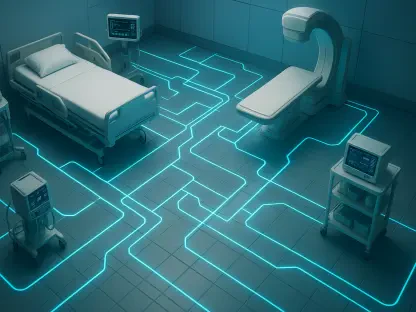
The synthesis of this integrated care model relies on the ability of different systems to communicate with one another. When a health kiosk identifies a patient with dangerously high blood pressure, the system should ideally be able to facilitate an immediate telehealth appointment or provide a list of nearby clinics. This level of connectivity transforms a standalone machine into a gateway for the entire medical ecosystem. Furthermore, the optimization of human resources means that the physical location of the healthcare provider becomes less important than the quality of the digital connection. A specialist in a major urban center can provide oversight for automated systems in a remote rural town, effectively erasing the geographic barriers to expert care. As this infrastructure matures, the emphasis will shift toward refining the algorithms that analyze these massive data streams, ensuring that the insights generated are both accurate and actionable. By creating a more responsive and interconnected system, healthcare providers can finally address the systemic inefficiencies that have long hindered the delivery of timely and equitable medical services.
Strategic Integration: Future Outlook for Human and Machine Synergy
The consensus among experts is that self-service technology is a powerful ally in the pursuit of higher quality and more accessible healthcare. However, its success depends on strategic deployment and thoughtful regulation. Data shows that these tools can reach a massive population of undiagnosed or uncontrolled patients, but they must be integrated with safeguards to maintain high clinical standards. The ultimate measure of these technologies will be their ability to make care safer and more equitable rather than just faster. The future of healthcare is not a choice between humans and machines, but a synergy where both work in tandem. In this model, automation manages the data collection and logistical burdens, while human professionals provide the specialized care and oversight that technology cannot replicate. This partnership is essential for addressing the rising demand for healthcare services in an era of limited professional resources and an aging population, ensuring that every individual has access to the tools they need to stay healthy.
Public health agencies prioritized the creation of localized intervention plans based on the live data streams provided by this technology. They also mandated that every kiosk include multilingual support and ADA-compliant physical features to ensure broad accessibility across all demographics. Future-proofing the system involved investing in modular hardware that was easily upgraded to include new diagnostic tests as they became available. These actions ensured that the efficiency gains from self-service tools actually translated into measurable improvements in community wellness. Regulatory bodies established clear guidelines for telepharmacy oversight, which allowed for the safe expansion of automated dispensing without compromising patient counseling. This transition also required extensive coordination between retail partners and medical providers to ensure that the data collected was integrated into official electronic health records. By focusing on inclusive design and maintaining professional guidance, health systems transformed what could have been a cold, mechanical process into a personalized and efficient care experience that successfully bridged the gap between daily life and clinical medicine.