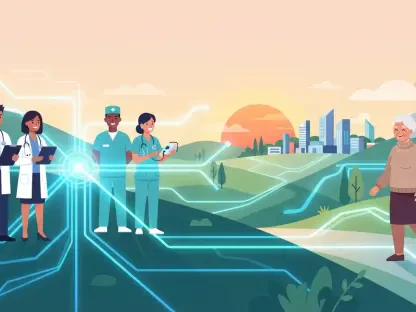

The profound silence surrounding postpartum mental health in Kenyan clinics has finally begun to break as the nation’s healthcare system undergoes a massive transformation to include psychological support within the standard maternal care package provided to every expecting mother. Historically, the focus of maternal health services was almost entirely concentrated on reducing physical complications like hemorrhage and sepsis, leaving the silent epidemic of perinatal depression and anxiety largely unaddressed. Clinical data suggest that nearly one in four Kenyan women experiences significant mental health challenges during or after pregnancy, making this one of the most pressing public health issues in the country today. By embedding mental health screenings and counseling into the existing Universal Health Coverage framework, the government is addressing a critical gap that has long hindered the social and economic development of many families. This transition reflects an understanding that physical survival is only the first step toward a thriving society.
Systemic Reform in Public Health Policy
Implementing Universal Screening Protocols
The implementation of universal screening protocols has become the cornerstone of Kenya’s new maternal health strategy, ensuring that every woman is evaluated using standardized psychological tools during her routine prenatal visits. This process involves the mandatory use of the Edinburgh Postnatal Depression Scale by nurses and clinical officers, who have been retrained to look for the subtle signs of cognitive distress that often go unnoticed during a physical exam. By recording these scores within the national digital health registry, clinicians can track a mother’s mental state over time, allowing for early intervention if a high-risk trajectory is detected. This systemic change ensures that mental health is no longer treated as an afterthought but as a vital sign as critical as blood pressure or fetal growth. The integration of these protocols into the primary care level allows for the democratization of psychiatric care, reaching women who may never have sought help in a specialized facility due to distance or cost.
Empowering the Community Health Workforce
Empowering the community health workforce serves as the secondary layer of this integration, as these frontline promoters act as the primary bridge between rural households and formal clinical settings. These workers have undergone specialized training in the Thinking Healthy program, a cognitive-behavioral approach that is adapted for non-specialists to deliver basic psychosocial support. Because they are trusted members of their communities, they can navigate the complex cultural landscape where mental illness is often misunderstood or stigmatized. Their role involves identifying early warning signs during home visits and facilitating smooth transitions to professional care when necessary. This decentralized model of care is essential for maintaining continuity, as it ensures that the support system extends beyond the hospital walls and into the daily lives of new mothers. By professionalizing the role of community health promoters in mental health, Kenya is creating a sustainable and scalable infrastructure that leverages social capital to improve health outcomes across the population.
Innovation Through Technology and Social Change
Digitizing Maternal Psychological Support
Innovations in mobile health technology are further accelerating the integration of psychological support by providing mothers with discreet and immediate access to professional counseling via their smartphones. Telehealth platforms specifically designed for maternal wellness now offer encrypted messaging and video consultations, which are vital for women living in remote areas with limited transport options. These digital systems also utilize artificial intelligence to offer localized coping strategies and mindfulness exercises that are culturally relevant to the Kenyan context. The data generated by these platforms provides the Ministry of Health with real-time insights into regional mental health trends, allowing for a more agile allocation of resources. Moreover, the integration of these tools into the national health information system ensures that digital records are accessible to clinicians during face-to-face appointments, creating a unified care experience. This technological synergy not only empowers mothers to take control of their own mental health but also reduces the burden on the workforce.
Analyzing the Future of Maternal Wellness
The comprehensive integration of mental health into Kenya’s maternal care framework proved to be a transformative milestone that significantly reduced the incidence of untreated perinatal disorders across the country. Data from the period between 2026 and 2028 showed a marked improvement in mother-infant bonding and a reduction in long-term developmental delays among children whose mothers received timely psychological support. Public awareness campaigns successfully moved the conversation from the shadows of stigma into the light of clinical necessity, fostering a more empathetic societal environment. Moving forward, the focus must shift toward expanding these services to include paternal mental health, as the well-being of the father remains a critical factor in family stability. Additionally, ensuring the long-term financial sustainability of these digital and community-based programs will require continued partnership between the public sector and international health organizations. This proactive stance on mental health established a new regional benchmark, illustrating that psychological resilience is an essential component of a healthy nation.