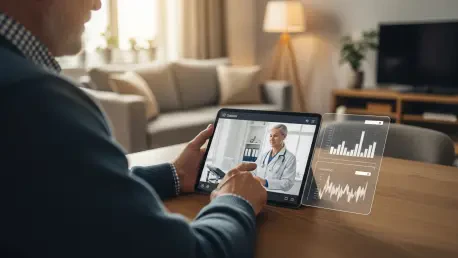

The rapid integration of virtual care platforms into the federal insurance landscape has fundamentally shifted how millions of seniors interact with their primary physicians and specialized medical providers. In the current landscape of 2026, the traditional model of office-based medicine is being supplemented by robust digital infrastructure that prioritizes patient convenience and immediate intervention. This transition was accelerated by legislative changes that broadened the scope of reimbursable services, allowing beneficiaries to receive consultations in the comfort of their homes regardless of their physical location. As the population ages, the demand for accessible healthcare continues to outpace the availability of physical clinics, making digital solutions a necessity rather than a luxury. For many Medicare recipients, the ability to connect with a doctor through a secure video link has removed the significant stressors associated with long commutes, waiting room exposure, and the logistical hurdles of arranging specialized transit.
Maximizing Healthcare Accessibility Through Virtual Channels
Addressing Geographical Disparities in Rural Communities
Patients residing in remote areas have historically faced significant hurdles when attempting to access consistent medical expertise, often traveling hundreds of miles for routine consultations. The expansion of telehealth within the Medicare framework effectively bridges this gap by utilizing high-speed internet and mobile applications to facilitate face-to-face interactions between patients and specialists. This decentralization of care ensures that a resident in a small farming community can receive the same level of neurological or cardiac consultation as someone living in a major metropolitan hub. Moreover, the reduction in travel time directly translates to better adherence to follow-up schedules, as patients are less likely to cancel appointments due to inclement weather or vehicle unavailability. By focusing on these digital touchpoints, the healthcare system has managed to create a more equitable environment where the quality of medical advice is no longer dictated by a zip code, thereby improving long-term health outcomes for thousands.
Streamlining the Management of Complex Chronic Conditions
Managing chronic illnesses such as diabetes, hypertension, and chronic obstructive pulmonary disease requires frequent monitoring and adjustment of treatment plans to prevent acute flare-ups. Telehealth offers a streamlined approach to this continuous care by allowing for shorter, more frequent check-ins that do not disrupt the daily lives of patients or their caregivers. Instead of waiting for a quarterly in-person visit to report symptoms, Medicare beneficiaries can now use digital portals to share biometric data and receive real-time feedback from their medical teams. This proactive stance on health management significantly reduces the likelihood of emergency room visits, as clinicians can identify and address minor issues before they escalate into major crises. Furthermore, virtual platforms allow for the inclusion of caregivers in the consultation process, ensuring that the entire support system is aligned with the physician’s recommendations. This collaborative environment fosters better medication adherence and lifestyle stability.
Enhancing Quality of Care Through Advanced Monitoring
Integrating Wearable Technology and Remote Data Collection
The marriage of Medicare coverage with remote patient monitoring technology has introduced a new era of data-driven medicine that relies on objective, real-time information. Patients are increasingly equipped with smart devices that track heart rates, blood glucose levels, and oxygen saturation, transmitting this information directly into their electronic health records. This continuous stream of data provides physicians with a comprehensive view of a patient’s health trajectory, which is far more accurate than the snapshot provided during a brief physical examination. In 2026, these technological advancements have become standardized, with Medicare providing the necessary financial support for both the devices and the clinical time required to analyze the data. This shift toward a more analytical approach allows for highly personalized treatment adjustments that respond to the unique physiological changes of each individual. Consequently, the reliance on generalized treatment protocols has diminished, replaced by a precision medicine model.
Moving Toward a Fully Integrated Digital Health Ecosystem
The transition toward a digitized healthcare model required significant adjustments in both policy and clinical practice to ensure that Medicare patients received the highest standard of care. Stakeholders recognized that virtual health was not merely a temporary fix but a permanent pillar of modern medicine that demanded rigorous security protocols and user-friendly interfaces. Providers invested heavily in training staff to handle digital triage, ensuring that patients were directed to the appropriate level of care whether virtual or physical. Looking ahead, the focus shifted toward expanding broadband access to ensure that no senior was left behind due to a lack of connectivity. Health systems prioritized the development of intuitive software designed specifically for those with visual or hearing impairments to maximize inclusivity. It was also determined that regular audits of telehealth outcomes were essential to maintaining the integrity of these programs. By adopting these measures, the medical community established a resilient framework for the coming years.