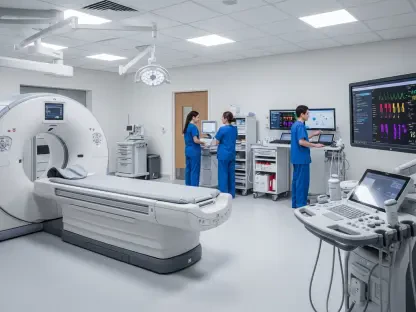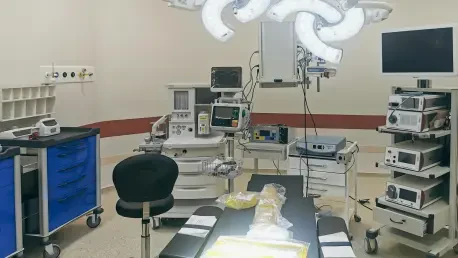

When a life hangs in the balance following a catastrophic motor vehicle accident or a severe fall, the distinction between a local emergency room and a verified trauma center often determines the ultimate outcome for the patient. Concord Hospital recently solidified its position as a cornerstone of New Hampshire’s emergency infrastructure by successfully maintaining its status as a Level II trauma center. This reverification, granted by the American College of Surgeons Committee on Trauma, signifies that the facility meets rigorous national standards for providing comprehensive care to patients suffering from sudden, life-threatening injuries. Achieving this second-highest tier of trauma certification requires a constant state of readiness, ensuring that specialized medical expertise and high-tech equipment are available around the clock. The hospital serves as a vital safeguard, bridging the gap between basic stabilization and the high-volume research focus found in Level I institutions. Beyond immediate clinical intervention, the designation validates the hospital’s role in disaster planning and community injury prevention, cementing its reputation as a reliable pillar for the region’s public health safety net during critical times.
Regional Impact: Strengthening New Hampshire’s Healthcare Network
This accomplishment underscores the seamless integration of a multidisciplinary team comprising specialists from the emergency department, intensive care, radiology, and surgical services. While Level I facilities like Dartmouth-Hitchcock Medical Center handle massive casualty incidents and extensive research, Concord Hospital remains one of only three Level II sites in the state alongside Portsmouth Regional and Elliot Hospital. This network ensures that complex orthopedic and neurological cases receive definitive treatment without unnecessary delays. In contrast, Level III centers focus on resuscitation before transferring patients, making Concord’s role as a primary hub essential for the surrounding affiliate locations in Laconia and Franklin. Looking ahead, healthcare leaders prioritized the expansion of telemedicine and real-time data sharing to streamline transfers from non-certified sites. This proactive strategy addressed the growing demand for specialized trauma care, ensuring that life-saving protocols moved faster than the injuries they sought to treat. The hospital successfully maintained its high standards through rigorous internal audits and staff training.