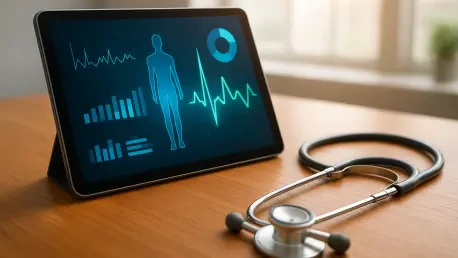

The transition from population-based averages to personalized health consultations relies on the ability of generative AI to analyze specific bloodwork and clinician-reviewed notes. This technological shift represents a departure from the traditional medical model where normal ranges were calculated based on broad demographic curves that often ignored individual baseline variances. In the current landscape of 2026, specialized health models are trained to synthesize complex biochemical markers, such as fasting insulin, high-sensitivity C-reactive protein, and micronutrient concentrations, to provide tailored lifestyle interventions. Instead of receiving a generic suggestion to increase physical activity, a user might receive a protocol specifically designed to address a marginal vitamin D deficiency while managing cortisol levels observed in recent morning draws. This granularity ensures that health advice is accurate and actionable within a specific physiological context of the individual, effectively bridging the gap between raw data and wellness.
Technical Evolution: From Raw Data to Contextual Insight
Modern health systems have moved beyond simple data storage to active intelligence frameworks that utilize Retrieval-Augmented Generation to ground AI responses in validated medical literature. When a patient uploads a comprehensive metabolic panel, the AI does not simply read the digits; it cross-references these figures with thousands of peer-reviewed studies to identify subtle correlations that might escape a standard screening. For instance, an AI system can detect a downward trend in hemoglobin levels over the period from 2026 to 2028, signaling potential iron sequestration or chronic inflammation before the values even drop below the clinical threshold. This proactive monitoring allows for the adjustment of nutritional intake or the scheduling of follow-up diagnostic imaging with precision. The ability to process unstructured clinician notes alongside structured lab data allows these models to understand the why behind the numbers, acknowledging physical symptoms that provide context.
The move toward multimodal processing has further refined the accuracy of these personalized health outputs by integrating diverse data streams. Large language models are now capable of analyzing temporal patterns in blood glucose alongside wearable data and genomic profiles to predict how specific dietary changes will impact an individual’s inflammatory response. This integration is particularly effective for managing metabolic health, where the interaction between lipids and blood sugar varies significantly across genetic backgrounds. By 2026, the industry standard involves utilizing secure, high-performance computing clusters that can process these datasets in seconds, providing real-time feedback that was previously limited to elite research institutions. These systems provide a continuous feedback loop where new lab results refine the underlying model’s understanding of a patient’s biological signature. The advice provided evolves alongside the user physiology, ensuring recommendations for 2027 are distinct from 2026.
Security Standards: Safeguarding Information and Clinical Integrity
As personal health information becomes the fuel for these advanced algorithms, the focus on data sovereignty and secure computational environments has intensified significantly. To mitigate the risks associated with cloud-based processing, many developers have implemented localized AI processing or zero-knowledge proof architectures that allow the model to analyze data without exposing sensitive identifiers to a central server. This security-first approach is essential for maintaining trust between the patient and the digital ecosystem, especially as the depth of shared data increases to include sensitive epigenetic information. Furthermore, modern health AI deployments utilize federated learning techniques, where the model improves its general capabilities across a distributed network while keeping specific patient bloodwork stored locally on the user’s device. This ensures that while the global intelligence of the system grows, the individual’s privacy remains uncompromised, fostering a safer environment for chronic health management through 2028.
The implementation of these personalized systems necessitated a shift in how medical professionals interacted with digital tools, leading to a new era of physician-AI collaboration. Clinicians who integrated these insights into their practice found that they could spend less time on manual data review and more time on complex decision-making and patient empathy. The transition successfully bridged the divide between episodic clinical visits and continuous health monitoring, providing a more comprehensive view of patient wellness. Actionable strategies were developed to ensure that AI-generated advice remained within the bounds of safety, primarily through the use of human-in-the-loop validation for all high-stakes medical recommendations. Moving forward, the focus remained on refining the sensitivity of these models to ensure they captured the nuances of diverse populations. Stakeholders emphasized the importance of standardizing data formats to enable seamless interoperability across different providers, ensuring insights were accessible.