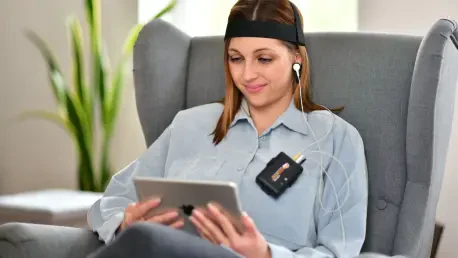

Precision prevention in pediatric care now relies on identifying specific physiological deficits in sleep before they manifest as chronic physical illnesses. For decades, the erratic sleep patterns of teenagers were dismissed as a simple social choice or a byproduct of developmental defiance. However, recent advancements in neuroscience and wearable technology have revealed that adolescent sleep carries a unique electrical signature, acting as a window into the body’s metabolic and psychiatric future. Researchers at the Duke University School of Medicine have leveraged single-channel electroencephalogram (EEG) technology to move beyond the constraints of a laboratory. By monitoring brain waves in the natural home environment, scientists can now identify specific deviations in sleep architecture—the structure and timing of different sleep stages—that precede physical ailments like obesity and hypertension. This diagnostic shift suggests that a child’s nightly brain activity is not just a period of rest but a vital indicator of long-term systemic health.
Metabolic and Cardiovascular Indicators
The Metabolic Link: REM Sleep and Body Mass Index
The relationship between rapid eye movement (REM) sleep and metabolic health has emerged as a cornerstone of this new physiological understanding. Data indicates that REM sleep plays an essential role in regulating energy balance and caloric processing during the high-growth years of adolescence. Specifically, the duration of this dream-heavy stage correlates inversely with body mass index, suggesting that teenagers who lack sufficient REM are at a significantly higher risk for weight-related issues. For every additional minute of REM sleep recorded by wearable EEG devices, the likelihood of an adolescent being categorized as overweight or obese decreases by a measurable percentage. Even more striking is the finding that the proportion of the night spent in REM acts as a powerful metabolic buffer. These insights indicate that weight management in pediatrics may soon focus as much on the quality of brain activity during sleep as it does on traditional dietary habits or physical activity levels in the modern clinic.
Cardiovascular Stability: The Vital Role of Deep Sleep
Cardiovascular stability in the teenage population is equally dependent on the architecture of rest, specifically the deepest phase known as N3 or slow-wave sleep. During this profound stage of non-REM rest, the human body performs critical maintenance on the autonomic nervous system, effectively lowering heart rate and stabilizing blood pressure for the day ahead. Wearable EEG data shows that for every minute of N3 sleep lost, the risk of hypertension in adolescents rises significantly. This connection highlights N3 sleep as a period of physiological restoration that cannot be replaced by lighter stages of rest. The ability of a lightweight headband to capture these nuances outside of a sterile clinical lab provides a compelling argument for widespread screening. By identifying teenagers who consistently miss out on deep slow-wave sleep, healthcare providers can flag early signs of cardiovascular strain, allowing for preventative measures to be taken before high blood pressure becomes a permanent clinical diagnosis during their early adulthood.
Identifying Behavioral and Neurodevelopmental Signatures
Diagnostic Innovation: Sleep Patterns and ADHD
The transition to objective, data-driven diagnostics for Attention-Deficit/Hyperactivity Disorder (ADHD) is perhaps the most significant benefit of using wearable EEG in pediatric care. Traditionally, diagnosis has relied on subjective behavioral reports from parents and teachers, which can often be biased or incomplete. However, neurological monitoring has revealed that children with ADHD exhibit distinct physiological signatures in their sleep, most notably a reduction in N3 deep sleep. This lack of restorative rest suggests that the cognitive symptoms of inattention and impulsivity may be rooted in an underlying inability of the brain to properly recover overnight. Furthermore, general sleep efficiency and the time required to fall asleep—known as sleep onset latency—serve as accurate predictors of conduct problems. By identifying these specific electrical patterns early on, clinicians can provide more targeted support for neurodivergent youth, moving away from subjective checklists toward a model based on individual brain physiology.
Neurological Pressure: Delta Power Dissipation
Central to the neurobiological understanding of ADHD is the concept of delta power dissipation, a process that reflects how the brain clears out its daily sleep pressure. Under normal conditions, the intensity of slow delta waves is highest at the beginning of the night and gradually declines as the brain undergoes restoration. In adolescents with ADHD symptoms, this dissipation process is significantly slower, creating a sluggish biological hallmark that is only detectable through EEG monitoring. The research shows that a slower overnight decline in delta wave intensity is associated with a nearly ninety percent increase in the likelihood of an ADHD diagnosis. This objective metric provides a window into the biological drive for sleep and how it malfunctions in certain neurodevelopmental conditions. As wearable EEG technology becomes more integrated into routine pediatric assessments, this sluggish dissipation may become a primary indicator used to differentiate between lifestyle-induced fatigue and clinical ADHD.
The Mental Health Paradox: Efficiency and Internalizing Disorders
The assessment of internalizing disorders, such as anxiety and depression, presents a unique challenge that wearable EEG is uniquely equipped to address through the efficiency paradox. Many adolescents struggling with anxiety report sleeping for a full eight hours, leading parents and clinicians to believe their rest is sufficient. However, physiological data reveals that while these teenagers may show high sleep efficiency—meaning they stay in bed and asleep for most of the night—their actual brain activity is highly fragmented. They often experience significant wake after sleep onset and a severe deprivation of REM cycles, which are critical for emotional regulation and processing. This discrepancy between the perceived quantity of sleep and the actual quality of neurological rest explains why anxious youth often feel chronically unrefreshed. By uncovering these hidden deficits, wearable devices allow providers to identify at-risk teenagers whose mental health struggles might otherwise remain invisible.
Emotional Processing: REM Deprivation and Instability
REM deprivation in the context of internalizing disorders acts as a physiological catalyst for emotional instability. Because the brain uses REM sleep to process social information and emotional stressors from the preceding day, a consistent lack of this stage can leave a teenager in a state of heightened emotional reactivity. The wearable EEG data demonstrates that even when total sleep duration appears normal, a low percentage of REM sleep correlates with higher rates of depression and internalizing symptoms. This insight is transformative because it shifts the clinical focus from simply sleeping more to sleeping better. Targeted interventions can now be designed to enhance specific sleep stages rather than just extending the time spent in bed. Identifying these specific gaps in REM sleep architecture allows for a more nuanced approach to mental health, where physiological monitoring supplements psychological therapy to provide a holistic view of the adolescent’s internal state and emotional resilience.
Long-term Implications for Pediatric Care
Cultural Challenges: Addressing the Adolescent Sleep Crisis
The modern adolescent experience is characterized by a perfect storm of biological and societal factors that consistently compromise the quality of sleep architecture. Naturally, the circadian rhythms of teenagers shift later, making them biological night owls who are alert later into the evening. However, this biological shift clashes with rigid societal structures, such as early school start times and the prevalence of digital screens that emit blue light, further delaying sleep onset. This dual pressure results in a massive compression of the sleep window, which disproportionately affects the later stages of the night when REM sleep is most frequent. Consequently, millions of adolescents are living in a state of chronic REM deprivation, which exacerbates the risks of metabolic and psychiatric illnesses. Addressing this crisis requires more than just better habits; it necessitates a structural reconsideration of how adolescent health is managed and how educational environments are synchronized with biological reality.
Clinical Integration: Precision Prevention and Home Diagnostics
Integrating wearable EEG into the standard of care offers a pathway toward a future defined by precision pediatric prevention rather than reactive treatment. By transforming the home bedroom into a sophisticated diagnostic environment, healthcare providers can gather longitudinal data that captures the reality of a child’s life across multiple weeks. This method avoids the first-night effect and artificial settings of a laboratory, providing a true reflection of the adolescent’s physiological state. If a wearable device identifies a persistent lack of restorative slow-wave sleep or a failure to clear sleep pressure, interventions can be implemented years before chronic hypertension or severe clinical depression take hold. This proactive model empowers families with objective data, allowing them to advocate for changes in school schedules or specialized behavioral therapies. Ultimately, this technology enables a nightly, silent communication between the brain and the doctor, creating a robust safety net for the next generation’s health.
Longitudinal Outcomes: Future Considerations for Integrated Care
The advancement of wearable EEG technology in pediatric health represented a shift toward personalized medicine that prioritized early detection. Clinicians used these longitudinal findings to move beyond standardized sleep recommendations, focusing instead on the unique electrical fingerprints of each patient to guide treatment plans. Research demonstrated that the integration of home-based monitoring significantly improved the accuracy of ADHD diagnoses and provided a more nuanced understanding of how metabolic health is tied to specific brain wave patterns. As these devices became more accessible to diverse populations, they offered a scalable solution to the growing adolescent mental health crisis. The data provided a clear justification for public policy changes, such as delaying high school start times to align with adolescent circadian rhythms. By documenting the tangible physiological costs of sleep deprivation, the medical community successfully advocated for systemic changes that protected the developmental trajectory of teenagers worldwide.