
For a mother living in the remote reaches of the Karamoja sub-region, the journey to a specialized medical facility often represents a physical and financial hurdle that can mean the difference between life and death. Recent data indicates that while urban centers in Uganda enjoy relatively robust medical networks, nearly eighty percent of the rural population continues to reside more than five kilometers away from any form of primary health care center. This geographical isolation is compounded by a chronic shortage of specialized practitioners who are predominantly concentrated in the capital city of Kampala. However, the rapid proliferation of high-speed satellite internet and the decreasing cost of mobile technology are creating a pivotal moment for the national health landscape. By leveraging these digital tools, medical providers are beginning to dismantle the traditional walls of the clinic, bringing expert consultations to the most underserved districts and fostering a new era of decentralized medical care.
Bridging the Connectivity Divide Through Technological Innovation
Satellite Integration and High-Speed Data Accessibility
The expansion of low-earth orbit satellite constellations has fundamentally altered the feasibility of delivering high-quality telemedicine to regions previously deemed inaccessible by traditional fiber-optic cables. Local health administrative bodies have partnered with international satellite providers to install high-speed ground terminals at village-level health centers, ensuring that bandwidth remains consistent even during severe weather events. This leapfrog technology bypasses the need for expensive terrestrial infrastructure, allowing for real-time video consultations and the seamless transmission of large diagnostic files between rural clinics and central hospitals. From 2026 to 2028, the projected increase in network coverage is expected to bring nearly three hundred additional clinics into the digital health ecosystem. Such connectivity is the bedrock of a modern health strategy, enabling clinicians to access global databases and collaborate with regional experts on complex patient cases.
Sustainable Energy Solutions for Off-Grid Clinical Operations
Reliable internet connectivity is of little use if the underlying power grid is prone to frequent outages or does not exist at all in the most remote areas. To combat this, a new wave of solar-powered microgrids has been deployed across the northern and western corridors, providing a steady supply of electricity to power laptops, refrigeration for vaccines, and diagnostic equipment. These systems utilize advanced lithium-iron-phosphate battery storage to ensure that medical operations continue through the night and during periods of low sunlight. Moreover, the integration of energy-efficient medical devices has reduced the total power load required, making it possible for smaller, community-run clinics to maintain a digital presence without high operational costs. The shift toward renewable energy is not just an environmental choice but a critical component of healthcare resilience, ensuring that access to a remote specialist is never terminated by a blackout in the grid.
Enhancing Clinical Outcomes with Advanced Diagnostic Tools
Artificial Intelligence and Portable Diagnostic Hardware
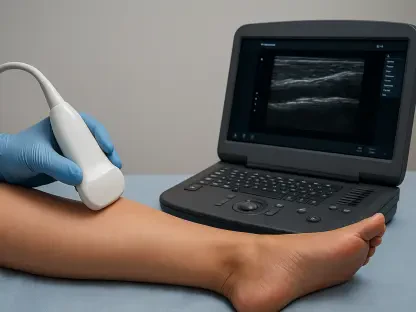
The deployment of portable, handheld diagnostic devices has revolutionized the capabilities of frontline health workers who often lack formal specialized training in medical imaging. New AI-driven software integrated into these tablets allows for the immediate interpretation of ultrasound scans and digital stethoscopes, flagging potential complications in high-risk pregnancies or identifying early signs of respiratory distress. These tools act as a force multiplier, giving a single nurse the diagnostic insight previously reserved for a fully staffed hospital ward. By utilizing cloud-based machine learning models, the system can compare local patient data against vast international benchmarks to provide accurate triage recommendations on the spot. This immediate feedback loop significantly reduces the need for unnecessary and expensive referrals to urban centers, allowing for localized treatment of minor conditions while prioritizing urgent cases for regional evacuation.
Strategic Integration of Digital Literacy and Policy Frameworks
The successful transition to a digitized healthcare model required a comprehensive overhaul of clinical training protocols and national regulatory frameworks to ensure patient safety and data privacy. Stakeholders moved beyond pilot programs to establish national standards for data interoperability, which allowed patient records to follow individuals across various districts seamlessly. Furthermore, the ministry of health subsidized the procurement of ruggedized hardware and established decentralized maintenance hubs to ensure technical issues were resolved without lengthy downtime. Educational institutions updated their medical curricula to prioritize digital proficiency, ensuring that the next generation of practitioners remained comfortable with remote consultation interfaces. Public-private partnerships were instrumental in securing the long-term funding necessary to maintain this digital infrastructure, providing a stable foundation for the permanent expansion of virtual care across the nation.