
The pharmaceutical industry has long grappled with a persistent and costly bottleneck in the development of life-saving medications: the inability of animal models to accurately predict human responses. On July 9, 2026, Axxam S.p.A. and HeartBeat.bio AG announced a landmark strategic partnership designed to dismantle this barrier by merging advanced drug discovery infrastructure with specialized human cardiac organoid technology. This collaboration represents a decisive move toward higher precision in safety assessments and therapeutic efficacy, addressing the “translation gap” that causes many promising drug candidates to fail during the transition to human clinical trials. By leveraging sophisticated biological models that mirror the complexity of the human heart, the two companies are positioning themselves to offer biotech and pharmaceutical clients a more reliable pathway for cardiovascular innovation. This initiative highlights the growing necessity of utilizing human-relevant systems today.
Bridging the Translation Gap: The Rise of Human Organoids
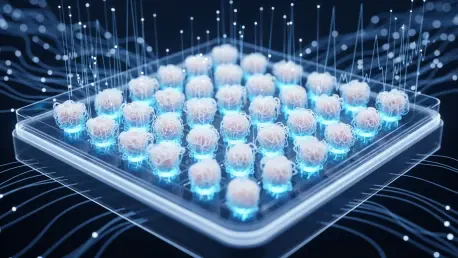
At the core of this alliance lies the “Cardioid” platform, a proprietary technological breakthrough developed by HeartBeat.bio that uses induced pluripotent stem cells to generate three-dimensional heart organoids. Unlike traditional two-dimensional cell cultures, these organoids replicate the intricate architecture and mechanical functions of a living human heart, providing a physiologically accurate environment for drug testing. This high-fidelity model allows researchers to observe how a chemical compound interacts with various cardiac cell types in a way that closely mimics the actual human biological response. By integrating these organoids into early discovery phases, the partnership provides a window into cardiac toxicity and efficacy that was previously inaccessible. The ability to identify potential adverse effects early in the development cycle is crucial for reducing the high rate of late-stage attrition, which has historically plagued the cardiovascular drug market worldwide.
Scaling this technology to meet the demands of modern high-throughput screening requires more than just biological ingenuity; it necessitates a robust framework of automation and sophisticated analytics. The Cardioid platform is supported by an automated screening system that utilizes artificial intelligence to interpret complex data sets generated during the testing process. These AI-driven analytics are capable of detecting subtle physiological changes and safety signals that conventional testing methods or human observation might overlook entirely. This level of precision ensures that even the most minute indicators of therapeutic benefit or potential risk are captured and analyzed with high accuracy. For pharmaceutical companies, this means that data-driven decisions can be made with greater confidence, streamlining the selection of “hit” compounds and accelerating the progression of lead candidates. This synergy between bioengineering and digital intelligence marks a significant leap forward.
Modernizing Drug Safety: A Shift Toward Human-Centric Models
The collaboration between Axxam and HeartBeat.bio arrives at a pivotal moment as the global scientific community increasingly prioritizes New Approach Methodologies that emphasize human-centric testing. There is a growing consensus among regulators and researchers that traditional animal models often fall short when it comes to predicting human-specific cardiac responses, leading to astronomical costs and safety risks. By moving human biology to the forefront of the drug development timeline, this partnership aligns with the broader industry movement to reduce dependency on animal testing while simultaneously improving the clinical relevance of laboratory findings. This shift is not merely ethical but also practical, as it provides a clearer understanding of how a drug will perform in a clinical setting. Consequently, the adoption of these advanced methodologies is becoming a standard requirement for organizations aiming to stay competitive in an environment where safety remains the top priority.
Axxam S.p.A., headquartered in Milan, brings a formidable array of scientific expertise and laboratory infrastructure to this joint venture, acting as a critical bridge in the “hit-to-lead” process. Their comprehensive suite of early discovery services, which includes target validation and medicinal chemistry, provides the foundational support needed to maximize the utility of the Cardioid platform. Axxam’s long-standing reputation as a leader in drug discovery allows them to collaborate effectively with both large pharmaceutical corporations and agile biotechnology startups across diverse sectors. By incorporating HeartBeat.bio’s specialized organoids into their existing workflows, Axxam enhances its ability to handle complex target identification and validation tasks. This infrastructure ensures that the advanced biological insights gained from human organoids are translated into actionable drug discovery programs, providing clients with a seamless end-to-end solution for development.
Strategic Implications: Reshaping the Cardiovascular Pipeline
While the partnership focuses on providing services to external clients, HeartBeat.bio AG continues to advance its own internal pipeline, targeting some of the most challenging conditions in cardiovascular medicine. Based in Vienna, this pioneer in the “TechBio” sector is utilizing its organoid technology to develop novel treatments for myocardial fibrosis and various forms of cardiomyopathy. Supported by significant venture capital and public research grants, the company exemplifies a new generation of biotech firms that prioritize human-specific data from the earliest stages of research. This internal focus on heart failure therapies complements the partnership’s service offerings, as it allows HeartBeat.bio to continuously refine its platform based on real-world therapeutic development challenges. The insights gained from their internal programs are likely to trickle down into the collaborative services, ensuring that partners benefit from the most advanced models available for study.
The long-term impact of this strategic alliance established a new benchmark for how cardiovascular research is conducted, emphasizing the necessity of high-fidelity human models in the preclinical phase. By successfully merging automated discovery infrastructure with physiologically relevant organoids, the partnership provided a more economically efficient and accurate roadmap for drug development. Organizations seeking to avoid the pitfalls of traditional testing methods found that integrating these technologies early was essential for enhancing clinical trial success rates. This collaboration demonstrated that moving away from reliance on animal models was not just an ideological goal but a practical requirement for delivering safer, more effective treatments to patients suffering from chronic heart conditions. Future developments in this space should focus on expanding these organoid models to include multiple tissue types, thereby creating a more holistic approach that helps ensure patient safety.