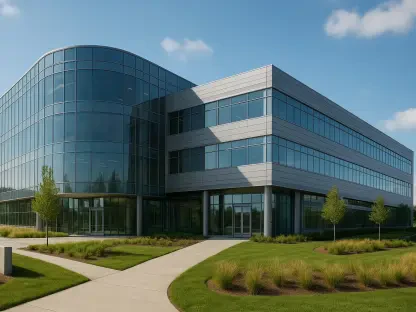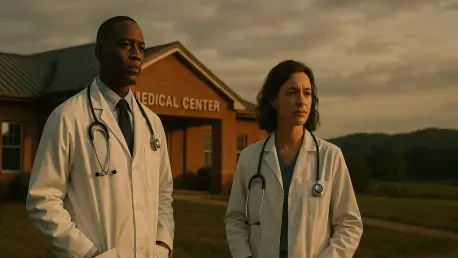

A new virtual behavioral health initiative is set to provide local students with immediate access to professional counselors during times of emotional or psychological crisis. For years, families in rural Alabama have faced the daunting reality of driving hours to reach specialized medical care, a barrier that often delays treatment and worsens conditions. This systemic challenge is being met with a robust expansion at the Atrium Health Floyd Cherokee Medical Center Rural Health Clinic in Centre. During a collaborative event hosted by the local Chamber of Commerce, regional leaders introduced a strategic plan to revitalize local primary care services. By integrating two skilled family medicine physicians into the existing infrastructure, the organization is creating a sustainable medical hub that prioritizes accessibility. This move represents a shift away from fragmented care models toward an integrated, community-focused approach that treats the hospital as a central pillar of regional stability and growth in 2026.
Innovative Mental Health Support: Virtual Integration
The digital evolution of medicine has reached a critical turning point in Cherokee County through the implementation of a sophisticated tele-behavioral health system. Kurt Stuenkel, President and CEO of Atrium Health Floyd, detailed how this secure digital platform bridges the gap between remote classrooms and professional psychiatric resources. This program does not simply provide a video call; it offers a comprehensive support network that matches students with counselors who possess specific cultural and linguistic expertise. By utilizing a proven model that has already seen significant success in Georgia and North Carolina, the healthcare provider is ensuring that local youth receive standardized, high-quality interventions. This initiative is particularly vital in rural settings where specialized pediatric mental health practitioners are often in short supply. By embedding these services directly into the school environment, the program removes the logistical hurdles that typically prevent families from seeking timely help, thereby fostering a much safer academic atmosphere.
Financing for this ambitious behavioral health rollout is facilitated through the Alabama Rural Health Transformation Program, demonstrating a successful synergy between public policy and private healthcare innovation. This collaborative funding model allows the clinic to offer advanced services without placing an undue financial burden on local taxpayers or individual families. School administrators have responded with overwhelming enthusiasm, recognizing that immediate clinical intervention can often de-escalate situations that might otherwise require law enforcement or emergency room visits. By providing a structured pathway for psychological support, the initiative alleviates the pressure on local emergency departments, which frequently serve as the only safety net for behavioral crises in underserved areas. This proactive stance reflects a deeper understanding of community wellness, where mental and physical health are treated with equal urgency. As the program becomes a standard fixture in the local school system, it sets a precedent for how rural districts across the state can leverage technology to protect their most vulnerable populations.
Diverse Medical Expertise: Local Practitioner Profiles
Dr. Erica A. Barnes enters the Cherokee County medical landscape with a background that uniquely prepares her for the intricacies of modern diagnostics. Before her clinical medical career, she served as a medical technologist and laboratory director, a professional history that grants her a profound understanding of the data-driven side of patient care. Originally from the Birmingham area, Dr. Barnes completed her training at the University of Medicine and Health Sciences in St. Kitts and her residency at Forrest General Hospital. Her philosophy is centered on the principle of patient education, where she prioritizes ensuring that individuals fully comprehend their chronic conditions and the underlying mechanics of their treatment plans. This transparency builds trust and encourages patients to take an active role in their own recovery. Furthermore, her focus on maximizing the clinical capabilities within the county is designed to reduce the necessity for arduous travel to urban centers. By coordinating closely with external specialists and preparing all necessary groundwork locally, she streamlines the often-complicated referral process.
Complementing the team is Dr. Paris L. Cooke, whose professional journey represents a dedicated homecoming to the rural communities of Alabama. Raised in Elmore County, Dr. Cooke intentionally pursued an academic path at Auburn University and the University of Alabama at Birmingham School of Medicine that focused on rural primary care. Her participation in the Rural Medical Scholars program and specialized training at the University of Alabama College of Community Health Sciences in Tuscaloosa provided her with a deep appreciation for the socioeconomic nuances of small-town medicine. Dr. Cooke’s approach emphasizes the development of multi-generational relationships, viewing the physician as an integral part of the social fabric rather than a transient provider. Her practice focuses on the physical, social, and geographical realities that residents face, allowing her to tailor medical advice to the specific lifestyle of Cherokee County. By fostering long-term bonds with entire families, she is able to implement preventative health strategies that are culturally relevant and more likely to result in sustained lifestyle improvements for her patients.
Strategic Advancements: The Path to Sustainable Rural Health
The integration of these two physicians and the launch of digital health initiatives serve as more than just a medical upgrade; they function as a vital economic engine for the region. Healthcare infrastructure is frequently a deciding factor for businesses looking to relocate and for families considering where to establish roots. By strengthening the Cherokee Medical Center Rural Health Clinic, Atrium Health Floyd is contributing to the overall viability and attractiveness of the county. This expansion ensures that the local workforce remains healthy and productive, while also creating professional opportunities within the medical field. The involvement of the Cherokee County Chamber of Commerce highlights the symbiotic relationship between community health and commercial prosperity. When residents can receive comprehensive care within their own county, they are more likely to support other local businesses, creating a positive feedback loop of investment and growth. This holistic view of rural development recognizes that a robust hospital system is essential for maintaining the population density and economic diversity necessary for a thriving community in the current decade.
The strategic expansion of rural care in Centre established a sophisticated blueprint for addressing medical shortages across Alabama. By successfully merging advanced tele-health technology with the recruitment of mission-driven physicians, the organization demonstrated how rural clinics transformed into modern centers of excellence. This initiative prioritized the immediate needs of students while laying the foundation for a more resilient healthcare infrastructure that empowered patients of all ages. Future considerations focused on scaling these virtual services to include other medical specialties, potentially eliminating the remaining barriers to specialty care in the region. The collaboration between public programs and private medical providers offered a sustainable solution that other underserved areas began to replicate. As the clinic at 395 Northwood Drive reached full operational capacity, it provided a clear path toward long-term community wellness and clinical autonomy. The lessons learned from this integration suggested that the key to rural health lay in combining personal, relationship-based medicine with the efficiency of modern digital platforms to ensure equitable access for every citizen.