

Navigating the labyrinthine corridors of the American healthcare financial system has long been a source of immense frustration for both medical providers and insurance carriers who find themselves trapped in a cycle of payment disagreements. Federal agencies have recently finalized a sweeping set
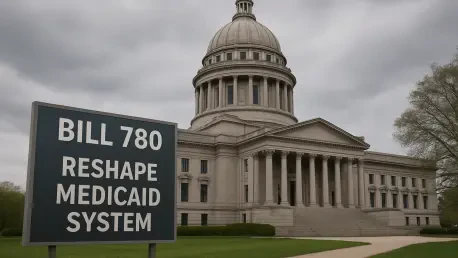
The introduction of House Bill 780, widely known as the Medicaid Savings Act, has sparked a profound legislative debate that could fundamentally alter the delivery of medical services for nearly three million Ohioans who rely on the state's safety net. As lawmakers deliberate over this ambitious

The healthcare landscape is undergoing a massive shift as providers move away from a reactive crisis-management model toward a strategy centered on prevention and early intervention. For decades, the medical infrastructure operated primarily as a safety net that caught individuals only after they

New York’s healthcare landscape is currently grappling with a significant paradox where the astronomical costs associated with acute care facilities often fail to translate into improved health outcomes for millions of residents. While the state ranks among the top spenders, only a fraction of

The current landscape of state-funded healthcare programs remains characterized by a persistent tension between fiscal sustainability and the mandate to provide comprehensive coverage for vulnerable populations. As legislative priorities evolve, Medicaid programs often face abrupt shifts in funding

The long-standing reliance on the fee-for-service reimbursement model, which often prioritizes the volume of medical procedures over the actual health outcomes of patients, is rapidly being dismantled by visionary organizations seeking more sustainable solutions. Blue Shield of California has