
Pharmaceutical manufacturers and healthcare payors have historically operated within a rigid framework of regulatory constraints that often delayed the integration of life-saving therapies into patient formularies due to information gaps. This disconnect created significant financial and clinical
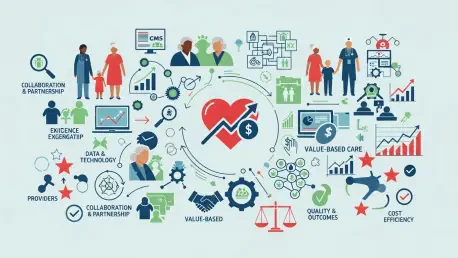
The traditional reimbursement landscape for long-term care facilities is undergoing a dramatic transformation as the Centers for Medicare & Medicaid Services pushes for a unified value-based framework. This systemic shift requires nursing home operators to transition away from the comfortable but

Across the current landscape of the American medical system, the accessibility of comprehensive mental health care has increasingly become a luxury reserved for those with significant financial means rather than a standard component of basic healthcare. While the societal conversation around

The foundational principles of American public health are currently undergoing a radical restructuring as the federal government prepares to enforce strict employment mandates for healthcare eligibility. The finalization of national Medicaid work requirements marks a transformative shift in the

The current landscape of American corporate healthcare is undergoing a radical shift as employers seek to reclaim control over the massive financial outlays that have historically yielded inconsistent clinical returns for their workforce. Peterson Philanthropies has entered this fray with a $50

Governor Jared Polis has officially signed Senate Bill 178 into law, securing a vital financial lifeline for the state’s healthcare system and preventing a catastrophic disruption for thousands of residents. This legislative action addresses a staggering one hundred and forty million dollar