The global health landscape is shifting from reactive treatment to proactive autonomy as wearable technology evolves from simple step counters into sophisticated diagnostic instruments. This metamorphosis has turned everyday accessories into critical health hubs capable of providing deep insights

The recent policy change highlights a growing industry tension between selling high-end hardware and generating recurring revenue through digital services. For many years, the health technology sector operated on a model where the purchase of a premium device guaranteed full access to the metrics

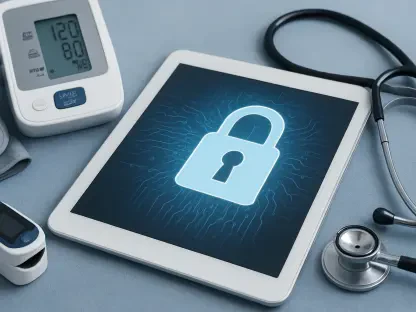
Hospitals must now treat crypto-agility as a mandatory requirement for procurement to ensure that new medical devices can adapt to future security standards. As quantum computing advances, the foundational encryption that protects patient records is rapidly becoming vulnerable to sophisticated

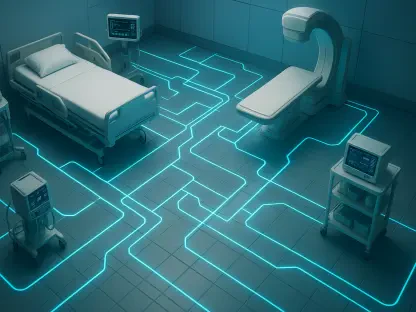
Implementing Federated Learning ensures that sensitive patient data never leaves its original location while still contributing to the global improvement of security models. The integration of Industry 5.0 principles into the healthcare sector has catalyzed the rise of smart hospitals, where an

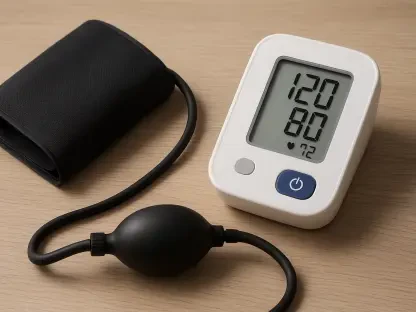
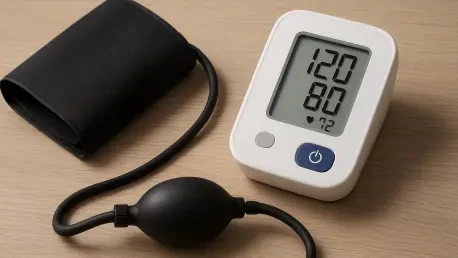
Real-time data capture for heart rate and oxygen saturation has become the primary clinical standard for identifying early signs of patient deterioration in domestic settings. This evolution represents a seismic shift in medical philosophy, as healthcare systems move away from centralized,

Research indicates that the transition from hospital to home-based rehabilitation does not significantly reduce the physiological risks associated with prolonged sedentary behavior. This realization challenges the core assumptions behind many modern recovery protocols designed for the elderly.