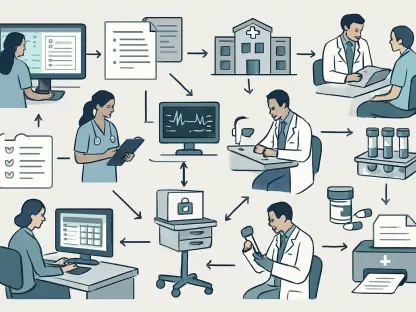
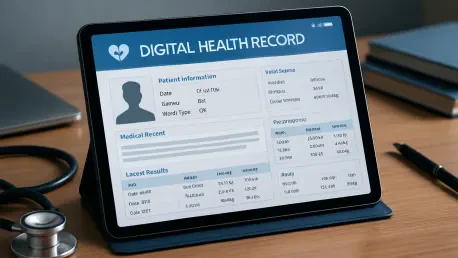
The seamless access to patient data that modern healthcare professionals now take for granted was once a distant dream, a concept forged in an era of cumbersome paper files and handwritten charts. The recent passing of A. Neil Pappalardo on January 27 at the age of 83 marks the end of an era for
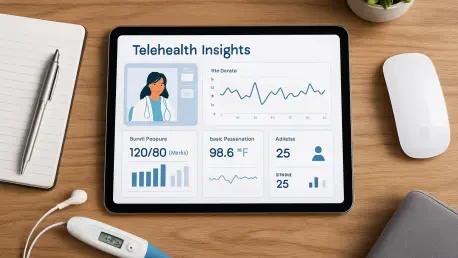
In the global pursuit of more resilient and accessible healthcare systems, nations are increasingly looking beyond their borders for proven models of technological integration. A significant delegation from South Korea’s National Health Insurance Service (NHIS) recently traveled to Washington D.C.,

A significant career change often brings excitement and opportunity, but for millions of Americans, it also triggers a silent crisis: the loss of their trusted therapist. In a healthcare system where mental health benefits are frequently tied to employment, life transitions like a new job or a
The silent pandemic of chronic diseases, responsible for a staggering 73% of all deaths worldwide, is placing an unprecedented strain on modern healthcare systems. In nations like India, where non-communicable diseases (NCDs) contribute to over 53% of all fatalities and 44% of disability-adjusted
A significant shift in the European technology landscape is underway, marked by the return of top-tier talent from competitive American tech hubs to tackle some of the continent's most entrenched problems. Berlin-based health-tech firm aiomics is at the forefront of this movement, recently

Faced with a cancer mortality rate that is 5.4% higher than the European Union average and the third highest in Western Europe, leaders from across the island of Ireland have initiated a landmark strategy to confront a public health crisis of escalating proportions. Projections indicating that new