
The stark reality of modern medicine is that the distance between a lifesaving decision and a catastrophic error often boils down to a single, poorly placed click in an overburdened software interface. This guide is designed to assist healthcare organizations in integrating clinical leadership into
The global medical research community currently operates under a paradox where the pursuit of life-saving innovation requires vast quantities of granular patient data, yet the ethical mandate to protect individual confidentiality has never been more scrutinized by regulatory bodies and the public

Navigating the complex digital corridors of a national healthcare system requires more than just high-speed connectivity; it demands a seamless, secure, and instantaneous method for verifying thousands of daily interactions across a sprawling medical network. In Singapore, this monumental challenge
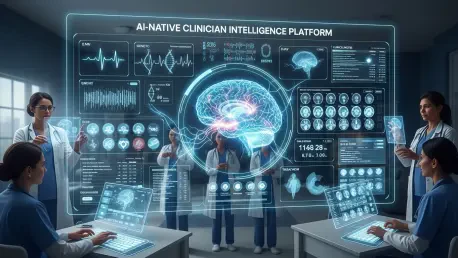
Healthcare providers currently navigate a demanding environment where the administrative burden often outweighs the time available for direct patient engagement, leading to a systemic crisis in clinical efficiency. The transition from a simple transcription tool to a comprehensive clinician

The transformation of Selangor from a regional industrial powerhouse into a sophisticated epicenter for specialized medical services has accelerated with unprecedented momentum as international patients increasingly bypass traditional Western destinations in favor of Malaysia's premier healthcare

The rapid convergence of biometric precision and high-end jewelry design has finally reached a point where health tracking is virtually indistinguishable from everyday fashion accessories. As consumers prioritize both fashion and functional health data, the demand for devices that offer continuous