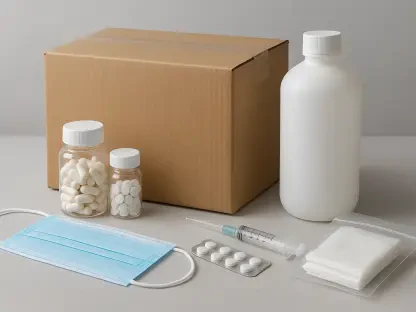

The traditional folded paper insert tucked inside medication packaging has remained virtually unchanged for decades, yet it now faces an unprecedented level of scrutiny as healthcare moves toward a more agile and digitally connected future. For over a quarter of a century, the Patient Information Leaflet (PIL) has served as a mandatory safety net in the United Kingdom, providing essential instructions on everything from dosage requirements to potential adverse reactions. However, the current pace of medical advancement frequently outstrips the slow, physical production cycles of these paper documents, creating a disconnect between the latest clinical knowledge and the information actually available to the patient at home. Regulators are recognizing that the sheer density of technical language and the physical constraints of print are no longer sufficient for a modern populace that expects immediate, searchable, and highly accessible data. This shift represents a fundamental redesign of how critical health information is disseminated across the entire healthcare ecosystem, moving beyond passive disclosure toward active engagement for better safety.
The Efficiency Crisis: Overcoming the Limitations of Paper-Based Systems
A primary concern within the current pharmaceutical landscape is the significant “information lag” inherent in traditional manufacturing and supply chain logistics, which often delays the communication of new safety findings. When the Medicines and Healthcare products Regulatory Agency (MHRA) identifies a new side effect or updates a contraindication, the process of redesigning, printing, and distributing revised paper leaflets can take nine months or longer to reach the consumer. This delay means that patients may unknowingly follow outdated advice while the updated stock sits in a warehouse or moves through a multi-stage distribution network. Furthermore, the physical limitations of these leaflets often lead to an overwhelming “wall of text” printed in microscopic fonts to satisfy rigorous legal requirements. This dense presentation can cause cognitive fatigue, making it difficult for an unwell individual to locate specific warnings or dosage instructions during a moment of urgent need, thereby undermining the document’s primary purpose and creating unnecessary risks.
Beyond the logistical hurdles, the rigid nature of paper-based information fails to account for the diverse needs of a modern population with varying levels of health literacy and accessibility requirements. Traditional leaflets provide a one-size-fits-all experience, forcing a young adult to scan through pediatric or geriatric warnings that may have no relevance to their specific treatment plan. This lack of customization often leads to information overload, where the patient ignores the document entirely because it feels too cumbersome to navigate. Recent studies into patient behavior reveal a growing demand for actionable guidance over exhaustive clinical data disclosure; users want to know exactly what steps to take if they miss a dose or experience a reaction. By clinging to a static print model, the pharmaceutical industry risks maintaining a system that satisfies regulatory checkboxes but fails to engage the very people it is designed to protect, highlighting the necessity for a more dynamic and responsive communication strategy that prioritizes the user experience.
Modernizing Delivery: Harnessing Digital Solutions and Regulatory Reform
To address these gaps, the MHRA introduced the Improving Patient Information (IPI) project, a three-year initiative that leverages digital tools such as QR codes and mobile applications to provide real-time updates and interactive content. By scanning a code on the package, patients can access cloud-based guides that reflect the most current clinical findings as of 2026, effectively bypassing lengthy printing cycles. These digital platforms also allow for a more tailored experience, enabling users to filter information specific to their age or condition while incorporating instructional videos and audio for better accessibility. The project emphasizes the use of plain English and action-oriented designs, transforming technical jargon into clear directives that tell patients exactly how to manage their medication safely. This collaborative effort involving pharmacists and patient advocacy groups ensures that reforms are practical and evidence-based, moving the focus from providing a static document to offering a comprehensive, intuitive support tool for health management.
The transition toward digital delivery represented a definitive shift that empowered patients to manage their treatments with greater accuracy and confidence. By adopting this hybrid model, the healthcare system successfully bridged the gap between the discovery of new safety data and patient awareness, ensuring that the most critical updates reached the end user without delay. Manufacturers and regulators collaborated to standardize electronic formats, which allowed for a seamless integration of medication guides into existing health apps and patient portals. This evolution not only reduced the frequency of medication errors but also improved overall adherence by making instructions easier to locate and understand. Moving forward, stakeholders prioritized the inclusion of vulnerable populations by maintaining high-quality print backups while expanding the reach of interactive features. This strategic modernization ensured that medical communication kept pace with scientific innovation, creating a more resilient and patient-centered environment where every individual had the tools to make informed decisions.