
The Umbutfo Eswatini Defence Force (UEDF) has recently published a comprehensive assessment of its medical services, revealing a complex landscape where high-level clinical achievements are currently being tested by persistent administrative and logistical constraints. While the military health system has successfully maintained operational readiness through robust immunization programs and effective chronic disease management, the internal report underscores a growing tension between service demand and available human capital. This duality presents a unique challenge for the kingdom, as the military’s health infrastructure often serves as a critical backstop for the broader national healthcare network. By analyzing the performance metrics from the start of 2026, the document highlights how localized medical facilities have outperformed expectations in specific areas, such as maternal health for dependents and specialized trauma response. However, these gains remain fragile because of a lack of specialized personnel which threatens to undermine the long-term sustainability of the current military medical framework within Eswatini.
Clinical Success: Strengthening Outcomes and Operational Readiness
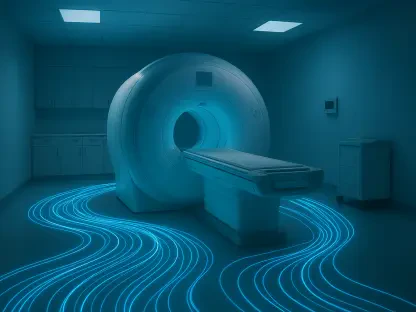
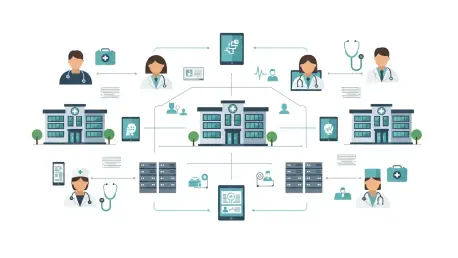
Building on the foundation of the national health strategy, the UEDF has achieved significant milestones in the suppression of infectious diseases, particularly through the aggressive implementation of the latest antiretroviral protocols and comprehensive screening initiatives. The military medical corps reported that over ninety-five percent of personnel diagnosed with chronic conditions are now virally suppressed, a feat that reflects the rigorous follow-up procedures and the integration of digital tracking systems within military clinics. This success is not merely statistical but operational, as it ensures that the armed forces remain deployable and capable of performing their duties without the interruption of preventable illness. Furthermore, the expansion of the “Treat All” approach has been bolstered by the recent acquisition of modern diagnostic equipment, which allows for rapid laboratory results in remote garrisons. This technological leap has reduced the time from diagnosis to treatment initiation by nearly forty percent, effectively setting a new standard for clinical efficiency within the security sector.
Beyond disease management, the report identifies the successful modernization of several key medical facilities, which now feature advanced emergency rooms and dedicated wings for physical rehabilitation and psychological support. The integration of mental health services into routine physical exams represents a significant shift in the organizational culture, acknowledging the high-stress nature of military service and the importance of holistic wellbeing. This expansion of services has been facilitated by strategic partnerships with international health organizations that provide both technical expertise and specialized training for laboratory technicians. Consequently, the military health system has seen a marked increase in the utilization of its outpatient services, suggesting a higher level of trust and accessibility among soldiers and their families. These improvements in infrastructure and service variety have created a more resilient health ecosystem, capable of handling complex medical scenarios that previously required referrals to external, often overcrowded, public hospitals or expensive private facilities located across the border.
Personnel Strategy: Mitigating the Impact of Systemic Deficits
Despite these clinical advancements, the UEDF faces a looming crisis regarding the recruitment and retention of skilled medical professionals, a gap that currently leaves nearly thirty percent of specialized posts vacant. The report specifically mentions a shortage of senior nursing officers, pharmacists, and dental surgeons, which creates an unsustainable workload for the existing staff and limits the ability to perform complex procedures in-house. This human resource deficit is largely attributed to the competitive salaries offered by the private sector and the global demand for healthcare workers, which often draws Eswatini’s most talented practitioners away from government and military service. As a result, the ratio of medical personnel to active-duty soldiers has reached a critical threshold, necessitating a reliance on temporary contracts and retired officers to fill the most pressing gaps. Without a dedicated strategy to attract young medical graduates, the current trajectory suggests that the burden on the remaining staff could lead to burnout.
To address these systemic vulnerabilities, the administration developed a multi-year roadmap focused on the creation of a dedicated military medical academy and the introduction of competitive specialized allowances. It was observed that by integrating medical training directly into the military curriculum, the defense force established a more reliable pipeline of loyal and qualified professionals who were prepared for the unique demands of tactical medicine. The transition to this model required the rebalancing of the defense budget to prioritize educational subsidies and long-term benefits for healthcare providers who committed to extended tours of service. Looking ahead, the government prioritized the automation of administrative tasks through technology to free up clinical staff for direct patient care, while also initiating bilateral agreements with regional allies for rotational medical exchanges. Strengthening the link between academic performance and officer commissions proved to be an effective motivator in initial trials and served as a foundation for future personnel policy within the military health branch.