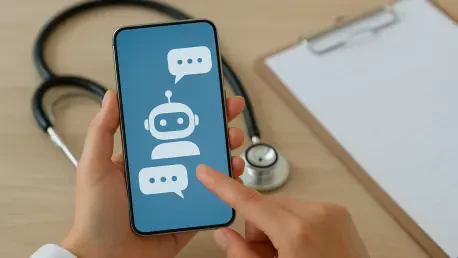
The integration of AI into personal health management is largely driven by a segment of 47% of users who find the information provided by these tools to be extremely or very helpful. This shift represents a fundamental change in how the American public interacts with the medical establishment,

The decision to delay presenting the health bills to Parliament demonstrates a commitment to ensuring the final versions are tailored to the practical realities of modern medical operations. This strategic pause allows the Ministry of Health to conduct a comprehensive overhaul of four essential

In regions like Nepal and Vietnam, digital health applications and wearable devices are being used to bypass the social stigma surrounding sexual and gender minority health. This innovative approach is a cornerstone of the work conducted at the Shrestha Lab at the University of Connecticut, where

The discovery of a data breach affecting the SickKids Foundation and Boomerang Health clinic illustrates the wide-reaching impact of a single third-party vulnerability. This intrusion, which bypassed the primary clinical defenses of the world-renowned Toronto institution, highlights a sophisticated
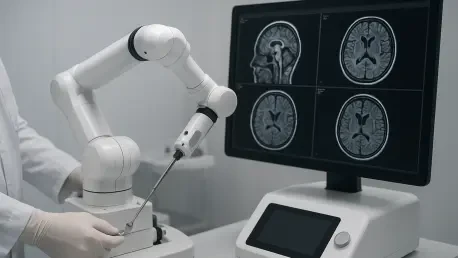
The Food and Drug Administration has launched a public inquiry to determine how generative artificial intelligence, which creates open-ended outputs, can be safely integrated into clinical software. As medical facilities across the United States rapidly adopt these sophisticated tools for

The ongoing fragmentation of the drug pricing market forces patients to decide if immediate cash savings are worth losing progress toward their out-of-pocket maximums. As the American healthcare landscape evaluates the six-month performance of TrumpRx, a high-profile prescription drug pricing