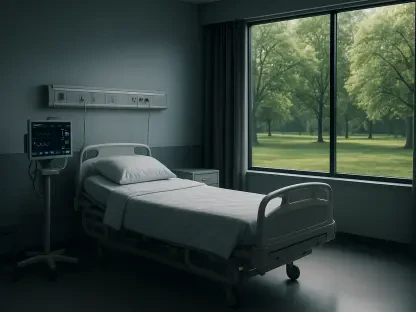

Industry experts warn that the lack of contemporary and nationally consistent data is masking the true scale of the unmet demand for respite services. Currently, the Australian aged care landscape is grappling with a structural shift that leaves thousands of family caregivers without the support they need to maintain their own health. In states like New South Wales and Queensland, the availability of short-term beds has dwindled to critical levels, often described as virtually impossible to secure. This disappearance of the traditional safety net is not merely a logistical hiccup but a systemic failure driven by record-high occupancy rates and changing provider priorities. As these facilities reach their capacity, the primary support mechanism for domestic caregivers is vanishing, leaving many in precarious situations. The current trend suggests that the flexible, short-term relief once offered by the sector is being replaced by a rigid focus on permanent residency. This evolution fails to recognize the dynamic needs of modern Australian families who wish to keep their loved ones at home but require periodic assistance to do so effectively.
Structural Barriers and Financial Misalignments
The Impact: Record Occupancy and Waitlists
Metropolitan aged care facilities are currently operating at a record occupancy of over 94 percent, a figure that highlights a system under extreme pressure. This congestion is largely a result of longer resident stays rather than a sudden influx of new admissions, creating a bottleneck that leaves no room for temporary participants. When a family attempts to book a respite stay for a holiday or a planned medical procedure, they are frequently met with rejection or told to check back just days before the required date. This lack of predictability makes it impossible for caregivers to plan their lives with any degree of certainty. The waitlists for permanent beds are so extensive that providers feel little pressure to keep beds empty for short-term use, preferring the stability of a long-term resident. This environment effectively turns a two-week respite stay into a luxury that is no longer accessible to the average household, forcing families to look elsewhere for help or simply struggle through the exhaustion of constant care.
The prevailing trend toward “respite with a view to permanent” admission has further complicated the landscape for those seeking genuine short-term relief. Many facilities now prioritize individuals who express an interest in transitioning to full-time care, viewing pure respite as a secondary or even tertiary concern. This policy shift means that families who intend to keep their loved ones at home long-term are being marginalized by a system that increasingly values institutional stability over community-based support. For a caregiver who only needs a brief interval to recover from a minor illness or to attend to personal obligations, the refusal of these short-term bookings creates a catch-22 situation. They cannot access the care they need unless they commit to a permanent move, which often contradicts the goals of the patient and their family. This strategic shift reflects a broader prioritization within the industry that overlooks the vital role that temporary relief plays in preventing the total collapse of the home-based care model across the nation.
Financial Disincentives: Under Current Funding Models
The Australian National Aged Care Classification, or AN-ACC funding model, has introduced unintended financial pressures that discourage providers from offering respite services. Under this system, short-stay residents are often viewed as administratively burdensome and significantly less profitable than their permanent counterparts. The intake process for a new resident involves a substantial amount of labor, including medical assessments, settling protocols, and administrative documentation, which must be repeated for every short-term stay. When these costs are compared to the relatively low and unpredictable revenue generated by a two-week admission, many facilities find that the financial math simply does not add up. Consequently, the incentive to maintain dedicated respite beds has evaporated, leading to a situation where providers would rather leave a bed empty for a day or two between permanent residents than deal with the overhead of a respite admission. This economic reality is a primary driver behind the vanishing availability of care.
Without specific government intervention or increased financial incentives to offset these administrative hurdles, the trend toward phasing out respite services is likely to accelerate through 2028. Many providers are currently opting to focus entirely on permanent placements, which offer a more predictable revenue stream and lower turnover costs. This shift is particularly evident in metropolitan hubs where demand for permanent beds is highest, allowing facilities to be selective about who they admit. The administrative complexity of the current funding model means that smaller facilities, in particular, struggle to manage the workload associated with frequent transitions. This has created a landscape where the supply of respite care is no longer meeting even the most basic demand. The industry is essentially moving toward a more rigid institutional model that lacks the flexibility required to support a modern, home-based care strategy. Unless the funding gap for short-term stays is addressed, the sector will continue to prioritize fiscal viability over the needs of domestic carers.
The Human Cost and Necessary System Reforms
Breaking Points: For Families and Caregivers
The personal consequences of the current respite shortage are reaching a breaking point for thousands of primary caregivers across the country. Many individuals find themselves in the harrowing position of having to postpone essential medical procedures, including surgeries, because there is no safe environment for their loved ones to stay in while they recover. In some documented cases, desperate caregivers have even looked into booking their family members into hospitals as private patients, which is an extremely expensive and often unavailable alternative. This lack of support creates a dangerous environment where the physical and mental health of the carer deteriorates rapidly under the weight of constant responsibility. When the safety net of respite care fails, it is not just the elderly person who suffers, but the entire support network that keeps them out of institutional care. The absence of a reliable break leads to exhaustion, burnout, and a sense of isolation that can have long-lasting effects on the wellbeing of families.
Furthermore, community-based options like cottage respite are often ill-equipped to handle the needs of individuals with complex requirements or advanced dementia. Those living with significant physical impairments frequently require a level of professional supervision and specialized equipment that many small-scale services cannot provide. This creates a specific disadvantage for the most vulnerable members of the aging population, who are often the ones in greatest need of high-level respite care. These community alternatives are currently facing their own capacity crises, with many locations reporting that they are fully booked for months in advance. The lack of available beds in residential facilities has pushed more families toward these cottage options, leading to a saturation of the market that leaves no room for emergency situations. For many, these services are a secondary choice that fails to provide the comprehensive care found in a fully equipped residential facility, leaving a significant and dangerous gap in the national support system.
Future Directions: Strategic Recommendations for Recovery
Accessing a respite bed in the current environment often requires families to travel over an hour from their primary residence, creating a massive barrier for elderly caregivers. Many of these individuals have limited mobility or may no longer be comfortable driving long distances, making the search for a bed in a distant suburb or regional town a physical impossibility. This geographic disparity is particularly acute in metropolitan areas where the demand for permanent placement has effectively crowded out short-term residents. When a bed does become available, it is often in a facility that is disconnected from the patient’s existing community and medical network, which can lead to increased confusion and distress for those with cognitive issues. The logistical challenge of transporting a loved one to a distant facility for a short stay often outweighs the benefits of the break itself. This local shortage means that respite care is increasingly becoming a service that is only available to those with the means and ability to travel.
The research conducted during this period demonstrated that the disappearance of respite beds was a systemic issue requiring immediate structural changes to the funding and allocation models. Observers noted that without a dedicated strategy to protect short-term care, the burden on Australian families would eventually lead to an unsustainable rise in crisis-driven permanent admissions. It was concluded that the most effective way forward involved a combination of regulatory requirements for bed availability and a significant increase in the daily subsidy for respite residents. By the end of this analysis, it became clear that the safety net of the aged care system had been fundamentally weakened by prioritizing institutional stability over the flexibility needed for home care. Moving forward, the focus was placed on rebalancing the system to ensure that respite care was viewed as a right rather than a luxury. These strategic shifts were designed to stabilize the sector and provide long-term security for both caregivers and their loved ones.