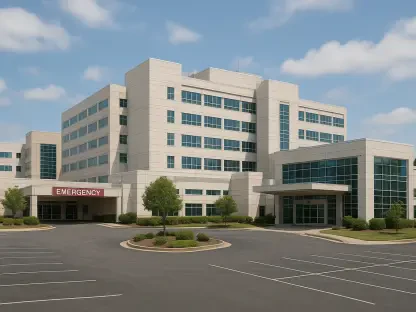

Establishing National Care Excellence Centres in Penang and Sarawak marks a new phase in research-driven and compassionate service design for the nation’s elderly. As the government unveils its fiscal roadmap for 2027, the healthcare sector stands as a central pillar, receiving a historic allocation of RM47.7 billion. This represents a deliberate shift from simply reacting to health crises toward building a sustainable, long-term infrastructure capable of meeting the demands of a modern society. While the 2.5% increase over the previous year is considered modest by some fiscal analysts, the strategic distribution of these funds suggests a deep commitment to systemic optimization rather than mere surface-level expansion. The emphasis is clearly on the modernization of service delivery and the stabilization of the workforce to ensure that the public health system remains a reliable safety net for all citizens. By focusing on precision in funding, the administration aims to address the foundational cracks in the system while simultaneously preparing for future demographic shifts and technological advancements.
Social Safety Nets: Protecting the Vulnerable through Strategic Investment
One of the most significant components of the new fiscal plan involves the reinforcement of financial buffers for the nation’s lowest-income demographics. The Medical Assistance Fund is set to receive an increase to RM60 million, a move specifically designed to assist those who find themselves unable to afford the rising costs of specialized treatments or emergency procedures. This is further supported by the PeKa B40 initiative, which has been granted RM80 million to continue its vital work in providing free health screenings and cancer treatment incentives. By targeting Sumbangan Tunai Rahmah recipients and their spouses, the government is ensuring that preventative care is not a luxury reserved for the wealthy. This proactive approach aims to catch chronic illnesses in their early stages, which ultimately reduces the long-term financial and physical strain on both the individual and the national healthcare infrastructure, fostering a more equitable distribution of medical resources.
The budget also expands its reach into specialized preventative services, signaling a shift toward long-term public health management. New provisions for thalassaemia screening seek to identify carriers early, thereby reducing the incidence of thalassaemia major in future generations through informed family planning. Additionally, the BuAi program will receive funding to provide affordable fertility treatments for 2,000 couples, acknowledging the growing need for reproductive support in modern family dynamics. These initiatives are bolstered by the ongoing success of the MySalam takaful scheme, which continues to provide a crucial financial cushion for over 1.6 million citizens. By integrating these various support systems, the administration is creating a layered approach to health security. This ensures that whether a citizen is facing a genetic health risk or the high costs of starting a family, there is a structured government program available to provide both medical and financial assistance across all life stages.
Human Capital: Stabilizing the Medical Workforce and Expert Integration
Addressing the long-standing challenges within the medical workforce is a primary focus of the 2027 strategy, specifically regarding the transition of contract workers into permanent roles. The government has committed to offering permanent positions to over 9,000 contract doctors, a significant step in resolving the professional uncertainty that has plagued the sector for years. This initiative builds on the momentum of recent years where thousands of contract workers were absorbed, reflecting a clear policy goal of creating a more stable and dedicated healthcare workforce. By providing these medical officers with long-term career paths and benefits, the ministry aims to curb the brain drain of local talent to the private sector or overseas. This stability is expected to translate directly into higher standards of patient care, as medical professionals can focus on their clinical duties without the persistent stress of job insecurity or the logistical hurdles inherent in temporary employment contracts.
To further optimize the existing pool of medical expertise, the budget introduces more flexible employment models that allow the government to leverage high-level skills from the private sector and retired professionals. By implementing a session-based engagement system, the public healthcare system can bring in experienced specialists to work during peak hours or for specific surgical procedures. This model provides a solution to the long patient waiting times that often affect government hospitals, particularly in departments like oncology and orthopedics. These experts can provide mentorship to younger doctors while performing high-complexity tasks, effectively transferring knowledge within the system. This approach avoids the high costs of hiring full-time senior staff while still reaping the benefits of their extensive clinical experience. It represents a pragmatic use of the nation’s human capital, ensuring that the most complex cases are handled with expertise while the overall efficiency of the public system improves.
Digital Transformation: Implementing the One Person One Record Framework
A fundamental shift in how health data is managed is underway with the RM1 billion investment directed toward a nationwide electronic medical record system. This initiative, often referred to as the “One Person, One Record” project, is designed to ensure that a patient’s complete medical history is instantly accessible to authorized providers regardless of their location. This digital integration eliminates the common problem of fragmented records, where patients have to repeat tests or recount their history when moving between different clinics and hospitals. By standardizing data entry and storage, the system is expected to significantly reduce diagnostic errors and administrative delays. The Malaysian Communications and Multimedia Commission will play a central role in this rollout, ensuring that even rural facilities have the necessary connectivity to participate in this modernized ecosystem. This transition is not merely about digitizing paperwork but about creating a more intelligent, responsive, and data-driven healthcare environment.
Physical infrastructure is receiving a parallel upgrade to complement these digital advancements, with RM1.2 billion earmarked for the maintenance and repair of existing hospitals and clinics. This funding is critical for addressing the issue of dilapidated facilities that have long struggled to keep up with modern medical standards. Beyond repairs, the construction of nine new healthcare centers across Johor, Sarawak, and other regions will expand the physical reach of specialized services. Technological modernization is also being prioritized through the procurement of advanced medical equipment, including robotic surgery systems and updated dialysis units. Furthermore, the addition of 400 new ambulances is a direct response to the urgent need for faster emergency intervention. Currently, only about a third of the most critical emergency cases meet the 15-minute response target. By expanding the fleet and optimizing dispatch routes, the government aims to significantly improve these survival-critical statistics.
Private Sector Synergy: Standardizing Care and Expanding Access
The introduction of the MediAsas initiative in early 2027 marks a significant move toward bridging the affordability gap in the private healthcare sector. This program is designed as an affordable insurance scheme that utilizes standardized billing based on specific diagnosis and treatment categories. By creating a predictable pricing structure, the government aims to prevent the price distortions and unexpected costs that often deter citizens from seeking private care. One of the most innovative aspects of this plan is its integration with the Employees Provident Fund, allowing members to utilize their retirement savings to cover insurance premiums. This ensures that even those without high disposable incomes can access private medical services without depleting their current liquid assets. Furthermore, the government will support small and medium-sized enterprises by subsidizing initial premiums for their workers, fostering a broader culture of health security and ensuring access for the private workforce.
To alleviate the immense pressure on public hospitals, the budget continues to fund the Hospital Services Outsourcing Programme with an allocation of RM200 million. This strategic initiative allows public sector patients to undergo surgeries or receive specialized rehabilitation services in private facilities, with the costs covered by the government. This program is essential for reducing the surgical backlogs that have grown increasingly burdensome over the last few years. By utilizing the available capacity in private operating theaters, the ministry can ensure that patients receive timely care without the need for immediate, high-cost expansions of public facilities. This synergy between the public and private sectors creates a more fluid healthcare landscape where resources are used where they are most available. It also encourages a higher standard of collaboration between different healthcare providers, ensuring that the patient remains the central focus regardless of where they are treated.
Demographic Resilience: Strengthening Support for the Aging Population
Recognizing the rapid demographic shift toward an aging population, the government has introduced several fiscal measures to support elderly care and the families who provide it. The reduction of the service tax on elderly care and the expansion of individual income tax relief for care-related expenses represent a significant easing of the financial burden on households. Previously, tax relief was often limited to specific medical costs, but the new provisions cover a broader range of care expenses, acknowledging that support for the elderly involves more than just clinical treatment. To complement these financial measures, two new senior citizen daycare centers will be established in Kuala Lumpur by repurposing existing urban buildings. These centers are designed to provide a safe, engaging environment for seniors during the day, offering specialized activities and social interaction. This urban-focused approach ensures that caregivers in the workforce have access to reliable support systems.
The establishment of specialized centers and the implementation of these multifaceted reforms provided a clear roadmap for a more sustainable healthcare future. Decision-makers successfully transitioned from reactive spending to a model based on strategic, long-term investment in both human and physical capital. These initiatives served as a foundation for a system where “one record” and “one standard of care” became the national benchmark for excellence. Moving forward, the focus must remain on the rigorous evaluation of these programs to ensure that the digital rollout and workforce stabilization efforts meet their intended targets. Stakeholders in the healthcare industry should prepare for deeper integration between public and private sectors by adopting standardized data protocols and transparent billing practices. As the nation continued to age, the success of the 2027 fiscal strategy was measured by its ability to maintain a high quality of life for all citizens while keeping the system financially viable.