
To ensure an equitable distribution of spots at the new facility, local officials are directing unattached residents to register immediately with British Columbia’s Health Connect Registry. This proactive measure serves as the foundation for the Town of View Royal’s partnership with Aroga Lifestyle Medicine Victoria Ltd., a collaboration designed to mitigate the acute shortage of primary care providers in the region. By formalizing this agreement, the town is stepping into a role traditionally held by provincial authorities, signaling a shift toward municipal intervention in healthcare crises. The project aims to provide a stable medical home for residents who have previously navigated a fragmented system of walk-in clinics and urgent care centers. This approach is not merely a short-term fix but a strategic investment in the long-term well-being of the population, ensuring that families and individuals have a consistent point of contact for their healthcare needs. This localized strategy highlights a growing trend among municipalities to prioritize health security as a fundamental pillar of community stability.
Strategic Development and Resident Access
Infrastructure and Location: Establishing a Regional Hub
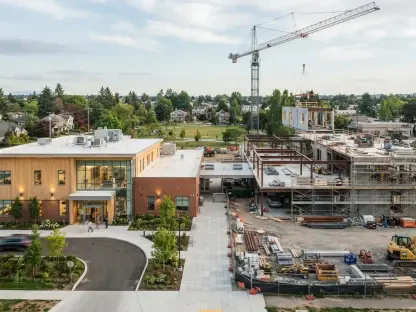
The clinic is set to occupy a strategic location within Eagle Creek Village, a site specifically selected for its high accessibility and its immediate proximity to Victoria General Hospital. This geographical advantage ensures that the facility is integrated into the regional healthcare grid, allowing for rapid coordination with specialized hospital services when required. The architectural plan for the facility includes three primary examination rooms, each outfitted with modern diagnostic equipment and designed to facilitate a smooth and private patient experience. By locating the clinic in a vibrant commercial area, the partnership aims to lower the barriers to medical access, making it convenient for residents to attend appointments while managing their daily tasks. The design of the space is not only focused on current requirements but also includes the flexibility to adapt to future medical technologies and shifting patient volumes. This physical infrastructure serves as the cornerstone for a renewed local healthcare system that prioritizes community convenience.
Professional Recruitment: Attracting Top Medical Talent
To ensure the clinic operates at peak efficiency, the facility is designed to support up to five full-time equivalent healthcare providers, including both family physicians and nurse practitioners. Attracting these professionals requires more than just clinical space; it necessitates a modern, supportive work environment that minimizes the administrative burdens typically associated with private practice. The partnership with Aroga provides an integrated management system and advanced digital record-keeping, allowing clinicians to focus primarily on patient care. The proximity to a major medical teaching hospital also serves as a significant recruitment tool, offering doctors a professional network and opportunities for peer collaboration. By investing in a high-quality workplace, the Town of View Royal is proactively competing for medical talent in a tight labor market. This strategy is essential for maintaining a full roster of providers who are committed to long-term practice within the community, thereby ensuring stability for the resident patient population.
Patient Attachment Targets: Ensuring Community Coverage
A primary metric for evaluating the success of the new facility is the attachment rate, which measures the number of residents who are formally registered with a specific primary care provider for longitudinal care. Unlike the episodic treatment provided by walk-in centers, this model fosters a continuous relationship between the doctor and the patient, which is vital for the effective management of chronic conditions and preventative health screenings. The clinic has established a phased intake goal, aiming to attach at least 750 unattached View Royal residents within its first year of operation. As the facility scales its services, this target is projected to expand to approximately 1,600 residents by the end of the second year. This structured growth plan allows the medical team to stabilize their workflows while steadily reducing the local deficit of primary care services. Achieving these targets will represent a major milestone in providing every resident with a reliable and permanent medical home that supports health through all life stages.
Registry Mechanics: Organizing the Intake Process
To maintain an orderly and equitable intake process, the clinic will utilize British Columbia’s Health Connect Registry to identify and contact eligible residents. This centralized provincial database ensures that patients are prioritized based on objective factors such as geography and medical complexity, preventing a disorganized rush for spots. Local officials are working closely with health authorities to ensure that the registry accurately reflects the current needs of View Royal residents. By leveraging this existing system, the clinic can focus its administrative energy on medical delivery rather than managing a separate waiting list. Residents are encouraged to ensure their information is current, as the registry will be the primary tool for connecting unattached individuals with the new providers at Eagle Creek. This collaborative use of provincial technology demonstrates how municipal initiatives can align with broader governmental structures to provide a seamless and fair experience for citizens seeking essential health services.
Operational Framework and Historical Vision
The Lifestyle Medicine Model: A Modern Approach
The operational philosophy of the new clinic is centered on the principles of lifestyle medicine, which prioritizes the prevention and management of chronic diseases through evidence-based behavioral interventions. This multidisciplinary approach involves a team of health professionals working together to address factors such as nutrition, physical activity, and mental well-being alongside traditional medical treatments. Patients will benefit from a service model that includes both in-person visits and virtual consultations, ensuring that care is accessible regardless of an individual’s physical location or mobility. Furthermore, the clinic plans to offer extended weekday hours and Saturday availability to accommodate the needs of working families and individuals with non-traditional schedules. By integrating these flexible options with a focus on comprehensive wellness, Aroga aims to provide a patient-centered experience that exceeds the standard delivery of primary care. This modern approach is designed to foster a more resilient and health-conscious community.
Financial Commitment: Securing Future Viability
The Town of View Royal finalized a historic financial package totaling nearly $1.5 million over the next decade, a decision that mirrored the grassroots municipal health movements of the mid-20th century. By providing $225,000 for initial capital costs and a recurring $125,000 annual subsidy, the local council demonstrated a commitment to solving the primary care crisis through direct intervention. This strategy successfully established a framework where private expertise and public funding combined to secure essential services for residents. Moving forward, other regional municipalities should evaluate this public-private partnership model as a primary solution to doctor shortages. Leaders are encouraged to view healthcare investment not as a provincial burden, but as a local priority that drives economic stability and resident satisfaction. The successful launch of the Eagle Creek clinic proved that proactive local governance can effectively bridge systemic gaps, creating a more secure and healthy environment for all citizens in the years ahead.