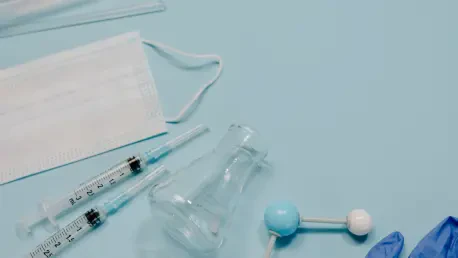

Tulsa’s strategic reuse of decommissioned medical gear effectively eliminates the high cost barriers that typically prevent public schools from offering advanced healthcare training. This initiative, spearheaded by Union Public Schools in collaboration with local healthcare leaders, transforms what would be surplus waste into high-value educational assets. By integrating decommissioned items such as surgical masks, gowns, and diagnostic tools into a structured curriculum, the district has created a unique environment where students can engage with the realities of medicine long before they enter a university setting. This approach addresses a critical gap in the American education system where vocational training often lacks the physical materials necessary for authentic hands-on learning. Through the Youth Medical Mentorship program, the district bridges the distance between theoretical knowledge and practical application, ensuring that students have access to the tools needed to succeed in a demanding professional field.
Economic Impact: Strategic Resource Management
The economic efficiency of this program centers on the substantial donations from local healthcare giants like Hillcrest and St. Francis, which have provided equipment valued at approximately $140,000 to the district. While these materials are no longer suitable for sterile clinical environments or high-stakes patient care, they remain perfectly functional for instructional purposes within a classroom. Dr. Christopher McNeil, the executive director of Youth Medical Mentorship, has emphasized that while STEM education has received significant attention, the “M” representing medicine is frequently underfunded in public school budgets. By repurposing these items, the district circumvents the need for massive taxpayer-funded expenditures, allowing for a sophisticated medical program to operate on a fraction of the traditional cost. This recycling model serves as a blueprint for other districts looking to maximize their available resources while providing top-tier career preparation.
Beyond the immediate financial benefits, this sustainable approach fosters a robust regional workforce development pipeline that benefits the entire Tulsa community. By sourcing materials locally and building direct partnerships with hospital systems, Union Public Schools ensures that its curriculum stays aligned with the evolving standards of the modern healthcare industry. This collaborative framework allows students to become familiar with the specific brands and types of equipment used in nearby facilities, potentially shortening the onboarding time once they transition into professional roles. The program effectively turns a potential waste stream into a catalyst for academic excellence, proving that creative logistics can overcome even the most daunting budgetary hurdles. As schools look to expand their vocational offerings from 2026 to 2028, the success of this equipment reclamation project highlights a scalable solution for integrating high-tech training into everyday learning.
Professional Identity: Cultivating a Provider Mindset
High school student leaders are the primary drivers of this project, gaining indispensable hands-on experience in inventory management and organizational logistics. Students enrolled in the Tulsa Tech biomedical program take on the responsibility of scanning, documenting, and categorizing every piece of donated equipment into modular curriculum kits designed for younger age groups. This rigorous process requires a high level of attention to detail and reinforces the technical knowledge they have acquired in their own studies. By organizing supplies for elementary-aged children, these teenagers develop essential soft skills such as teamwork, strategic planning, and professional communication. This peer-to-peer education model not only benefits the younger recipients but also solidifies the older students’ commitment to their own career paths in dentistry, surgery, or nursing. The responsibility of managing a high-volume supply chain prepares these future clinicians for the administrative complexities of the field.
A core objective of this initiative is to facilitate a psychological transition within the students, moving them from a traditional patient mindset to a more proactive provider mindset. By handling professional-grade medical tools and mastering complex terminology at an early age, students begin to view themselves as capable caregivers rather than passive recipients of medical services. This shift in perspective is crucial for building the confidence needed to pursue rigorous medical certifications and degrees in the future. Supported by organizations like HOSA and the Union Medical Academy, the program provides a clear, guided pathway from a student’s first elementary lesson to their entry into the professional workforce. Encouraging students to see themselves as future doctors and nurses from the moment they step into the lab helps demystify the healthcare field. This early exposure reduces the intimidation factor associated with medical training and inspires a new generation to lead.
Sustainable Educational Pipelines: Long-Term Impact and Scalability
The integration of specialized curriculum kits allows elementary students to explore medical careers through structured, age-appropriate play that mirrors real-world procedures. This systematic introduction ensures that the spark of interest in healthcare is ignited long before students face the academic pressures of high school. By the time these children reach secondary education, they have already developed a foundational vocabulary and a basic understanding of medical hygiene and tool usage. This long-term educational strategy creates a more resilient pipeline of candidates for local nursing schools and medical colleges. Furthermore, the collaboration between different grade levels reinforces a sense of community responsibility, where older students take pride in mentoring the next generation of professionals. This multi-tiered approach provides a sustainable method for nurturing talent within the district, ensuring that the local healthcare workforce remains robust and well-prepared.
The success of the Tulsa equipment repurposing project demonstrated how robust alliances between public education and private healthcare could solve chronic resource shortages. Educators found that by removing the financial pressure of purchasing new supplies, they could focus more energy on curriculum design and student engagement. Moving forward, other districts should look to establish similar reclamation agreements with local businesses to provide students with authentic vocational materials. It was clear that the integration of peer-led instruction and high-quality physical tools created a learning environment that was both sustainable and deeply impactful. To replicate these results, school administrators and local industry leaders worked together to identify surplus assets that could be diverted from landfills to classrooms. This proactive approach not only saved money but also built a stronger, more prepared workforce for the regional economy, proving that innovation often started with logistics.