
The global medical community stands at a critical juncture as it attempts to reconcile life-saving care with the staggering environmental toll caused by modern clinical waste streams. According to data from the National Academy of Medicine, the healthcare sector is responsible for approximately 8.5% of total greenhouse gas emissions in the United States, a figure that highlights a deep-seated reliance on carbon-intensive processes. A significant portion of this environmental footprint stems from the ubiquity of single-use medical devices, which offer convenience but contribute to an ever-growing volume of hospital waste. To combat this, a wave of health systems has aligned with international climate goals, pledging to halve emissions by 2030 and reach total net-zero status by 2050. Achieving these targets requires a fundamental shift in how hospitals manage their supply chains and perceive the value of specialized equipment that was once destined for the incinerator after a single procedure.
Measuring the Environmental and Financial Impact
Success Stories: Scaling Sustainable Solutions
Strategic initiatives led by industry giants such as Cardinal Health have demonstrated that high-volume reprocessing programs are not only viable but essential for large-scale environmental mitigation. In fiscal year 2025, the company successfully collected more than 21.6 million single-use devices, effectively intercepting materials that would have otherwise ended up in landfills. This massive effort resulted in the diversion of roughly 6.6 million pounds of waste, reflecting a sophisticated logistics network capable of handling complex medical equipment. Beyond simple waste diversion, the initiative avoided approximately 1,900 metric tons of carbon dioxide equivalent emissions, showcasing how integrated supply chain management can actively lower a facility’s carbon footprint. These numbers provide a concrete roadmap for other health systems looking to transition away from linear consumption models toward a more circular economy that prioritizes resource recovery and long-term ecological health.
The efficacy of these programs depends on the ability to manage diverse types of medical equipment, ranging from non-invasive compression sleeves to high-complexity surgical instruments. By implementing rigorous collection protocols, providers can ensure that high-value materials are retained within the clinical ecosystem rather than being discarded as hazardous waste. This transition to a circular model is supported by advanced tracking technologies that monitor the lifespan of each device, ensuring that every reprocessed item remains as safe as a brand-new counterpart. As more facilities adopt these large-scale collection methods, the cumulative impact on the healthcare industry’s total emissions profile becomes increasingly significant. The success observed in 2026 suggests that the infrastructure for sustainable device management is now robust enough to support a global shift in hospital procurement, moving the industry closer to its 2030 carbon reduction goals through practical and scalable innovation.
Real-World Numbers: The Economic Benefit of Circularity
Financial sustainability is a critical driver for the widespread adoption of medical device reprocessing, as modern healthcare facilities must balance patient outcomes with extreme budgetary constraints. In 2024, hospitals and surgical centers across the United States realized nearly $500 million in total savings by incorporating reprocessed single-use devices into their standard inventory. The majority of these savings, totaling approximately $443 million, resulted directly from the lower cost of purchasing reprocessed equipment compared to the price of new original equipment manufacturer products. This price disparity allows administrators to reallocate significant financial resources toward patient care and facility upgrades without compromising on the quality of the tools used by clinical staff. These economic incentives create a powerful justification for environmental stewardship, demonstrating that the pursuit of a net-zero healthcare system is fundamentally compatible with fiscal responsibility and operational efficiency.
Beyond the immediate reduction in procurement costs, facilities also experience secondary financial benefits through the substantial reduction of waste disposal fees. In 2024, approximately $8 million in savings was attributed specifically to the decreased volume of medical waste requiring specialized, high-cost disposal methods. The ecological gains associated with these financial figures are equally impressive, as the use of reprocessed devices prevented over 115 million pounds of carbon dioxide emissions in a single calendar year. To provide a tangible comparison, this reduction is equivalent to the carbon emissions generated by roughly 6 million gallons of gasoline. Such data points illustrate that the adoption of circular supply chain practices provides a dual advantage, shielding hospitals from the rising costs of raw materials while simultaneously protecting the communities they serve from the long-term health impacts of industrial pollution and excessive landfill usage during this current year.
Ensuring Quality and Reaching Global Markets
Standards of Safety: Maintaining Clinical Excellence
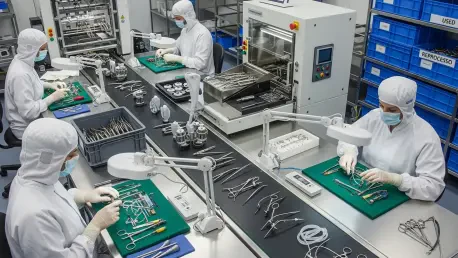
Maintaining clinical excellence is the non-negotiable cornerstone of the reprocessing industry, ensuring that every device meets the exact same safety and performance standards as an original piece of equipment. Far from being a simple cleaning service, medical device reprocessing is a highly regulated manufacturing procedure that requires adherence to strict quality control protocols and government standards. Every single item returned to a hospital undergoes 100% functionality and quality testing to verify that it has not been compromised during the previous use or the subsequent sterilization process. This technological rigor allows surgeons and nurses to utilize reprocessed tools with total confidence, knowing that the structural integrity and clinical efficacy of the device have been validated through objective scientific criteria. Consequently, nearly 10,000 healthcare facilities in the U.S., including the highest-ranked hospitals, have successfully integrated these sustainable tools into their daily workflows.
The seamless integration of reprocessed devices into high-stakes environments like operating rooms highlights the maturity of the validation processes currently in place across the industry. Advanced cleaning technologies and high-level disinfection protocols are used to remove bioburden and soil, ensuring that the devices are biologically safe and functionally indistinguishable from new units. This commitment to transparency and quality has helped to dismantle historical skepticism regarding the safety of reused medical equipment, fostering a culture where sustainability is viewed as an extension of patient safety rather than a compromise. As clinical staff become more familiar with the performance of these devices, the reliance on single-use-only procurement is steadily decreasing. This shift is supported by longitudinal studies that show no increase in adverse events or infection rates associated with the use of validated reprocessed items, reinforcing the idea that high-quality care and environmental responsibility can exist as a unified goal within modern medicine.
International Growth: Expanding the Green Supply Chain
While the North American market has established a strong foundation for reprocessing, the focus of the industry is rapidly expanding toward international hubs, particularly within the Asia-Pacific region. The opening of specialized facilities in Australia in 2026 marks a significant milestone in this global expansion, providing a local solution for the remanufacturing of essential medical supplies like compression sleeves. This regional approach is strategically vital because it addresses the environmental paradox of shipping used products over long distances for processing, which would negate the carbon savings gained through reuse. By establishing local manufacturing centers, healthcare providers in Australia and New Zealand can comply with strict national regulations while significantly reducing their total carbon footprint. This movement toward decentralized reprocessing hubs ensures that the benefits of the circular economy are accessible to diverse healthcare systems regardless of their geographic location or specific regulatory environment.
Regional differences in motivation also play a key role in how these sustainability programs are structured and adopted across various global markets. In many regions, the primary impetus for adopting reprocessing is rooted in environmental stewardship and a commitment to waste diversion, whereas others may prioritize supply chain resiliency and cost reduction. To accommodate these varying goals, flexible models like the donor site arrangement allow hospitals to participate in waste collection programs even before they fully commit to purchasing reprocessed goods. This approach enables facilities to contribute to regional environmental targets immediately, diverting waste from local landfills while they evaluate the long-term integration of remanufactured products into their internal logistics. As seventeen countries now participate in regulated reprocessing, the model has proven its scalability, demonstrating that the transition to a sustainable healthcare infrastructure is a universal necessity that transcends national borders.
The industry successfully transitioned toward a more sustainable model by proving that the reprocessing of medical equipment is a practical solution for modern health systems. Leaders within the sector prioritized the development of local infrastructure to minimize transportation emissions, ensuring that the environmental benefits of the circular economy remained intact. By standardizing high-level disinfection and functionality testing, providers removed the clinical barriers that once prevented the widespread adoption of remanufactured goods. These efforts created a resilient supply chain that reduced dependence on raw material extraction and lowered the total cost of care for millions of patients. Moving forward, the continued success of these programs will require deeper integration of life cycle assessments into hospital procurement policies and a sustained commitment to regional manufacturing. The actions taken by global health systems demonstrated that ecological responsibility and financial viability can be achieved through innovation, transparency, and a shared vision for a healthier future.