
The fundamental reconfiguration of public health delivery in Mexico has reached a critical juncture with the Mexican Social Security Institute authorizing two flagship medical centers that prioritize specialized care over general expansion. This move signals a departure from historical strategies centered on increasing hospital bed counts, favoring instead a model built on high-tech integration and clinical precision to meet modern health demands. By strategically placing these resources in Ecatepec and Guaymas, the institute is addressing geographical gaps while simultaneously elevating the standard of treatment for complex diseases. This evolution is necessitated by a shifting demographic profile where chronic conditions and pediatric specialties require more than just primary care intervention. The integration of advanced diagnostics and specialized medical staff into the public sector serves as a direct response to the escalating complexity of healthcare needs across the nation. Through these initiatives, the focus remains on enhancing the capability of the medical system to produce better clinical outcomes rather than just managing high patient volumes.
Precision Pediatric Oncology in Ecatepec
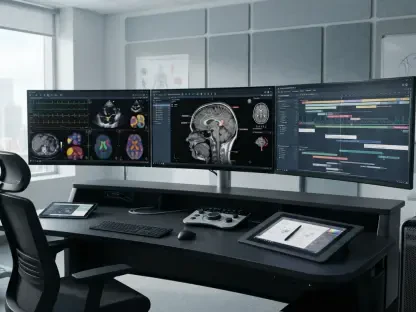
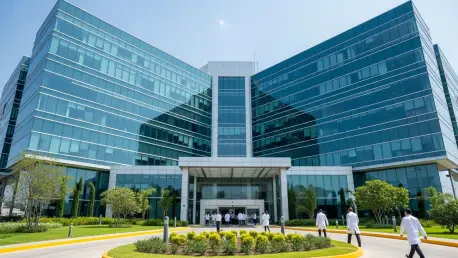
The specialized facility slated for Ecatepec represents a massive MX$2 billion investment designed specifically to confront the growing challenge of pediatric oncology in the region. Because cancer remains a leading cause of mortality among children and adolescents, this 40-bed hospital has been conceived as a high-tech hub capable of providing advanced diagnostic and therapeutic services. The architecture of the facility integrates sophisticated medical equipment, including magnetic resonance imaging and radiotherapy suites, alongside state-of-the-art linear accelerators. This centralization of resources ensures that young patients do not have to be transferred between multiple clinics for different stages of their treatment, which often leads to dangerous delays. By creating a dedicated environment for pediatric care, the institute provides a level of specialized attention that general hospitals often find difficult to maintain due to competing priorities and high volumes. This facility stands as a beacon of clinical specialization that aims to provide world-class oncological care within the public sector.
The primary clinical objective driving the Ecatepec project involves a radical reduction in diagnostic latency, which has historically been a significant barrier to effective cancer treatment. Under this new specialized model, the institute has established a rigorous protocol aimed at delivering definitive cancer diagnoses in less than 72 hours from the point of initial suspicion. Achieving such speed requires a seamless workflow between pathology labs, imaging departments, and oncological specialists who are all housed within the same building. Once a diagnosis is confirmed, the immediate initiation of therapy within the same unit becomes possible, drastically improving the chances of successful remission. This integrated care model is projected to reduce childhood cancer mortality by up to 10%, highlighting how critical speed and precision are in the current medical landscape. By eliminating administrative and logistical hurdles that typically slow down pediatric care, the facility ensures that every hour is utilized toward the recovery and long-term survival of every young patient.
Modernization of Regional Infrastructure and Operational Systems
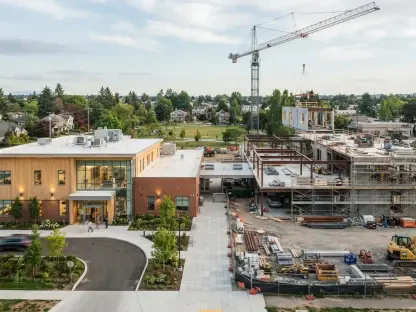
In the coastal city of Guaymas, Sonora, the institute is undertaking the replacement of the aging Hospital General de Zone No. 4, a facility that has been in continuous operation since 1968. This legacy infrastructure has struggled to accommodate modern technological requirements and the growing population of a region that now counts over 175,000 beneficiaries. The new 120-bed General Hospital is being constructed as a smart facility designed to support contemporary digital health tools and advanced medical imaging. Beyond just increasing capacity, the project focuses on expanding capabilities in critical areas such as pathology and rehabilitation, which are essential for treating the complex pathologies seen in the current population. This transition from a decades-old clinic to a modern medical center allows for the implementation of electronic health records and telemedicine services that were previously impossible. The modernization effort ensures that the regional healthcare system remains resilient and capable of serving the community for several decades.
To maximize the performance of these new centers, the administration prioritized long-term workforce development and the establishment of sustainable funding models for maintenance. It was recognized that physical buildings represented only one component of the solution, requiring the training of highly specialized medical staff to operate the advanced machinery. Strategic steps involved creating seamless referral systems that allowed patients to navigate different levels of care without encountering administrative delays. Policymakers focused on the integration of data-driven management tools to monitor clinical efficiency and resource allocation in real-time. By treating these hospitals as blueprints for the future of public health, the institute established a standard where precision and speed became the primary benchmarks for success. Future considerations necessitated a continuous update of medical protocols to keep pace with global technological advancements. Ultimately, the successful deployment of these facilities provided a clear roadmap for addressing complex medical needs through specialization.