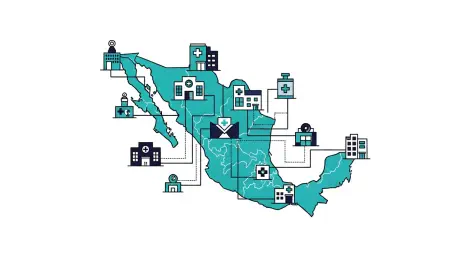

Mexico is currently initiating an unprecedented overhaul of its medical landscape through a strategic investment of nearly ten billion dollars designed to dismantle decades of systemic inequality and fragmentation within the public health sector. This massive financial commitment, orchestrated under the National Hospital Infrastructure Plan through 2030, represents a fundamental shift in how the state views its obligation to its citizens. For many years, the Mexican healthcare system functioned as a collection of disjointed entities, leaving a significant portion of the population without reliable access to specialized care or modern facilities. By centralizing resources and prioritizing universal coverage, the administration seeks to ensure that geographical location or employment status no longer dictates the quality of medical intervention available to individuals. The scale of this transformation is not merely about bricks and mortar; it is a calculated attempt to redefine the social contract in a country where healthcare has historically been a privilege for some rather than a right for everyone.
Expanding National Hospital Infrastructure and Capacity
Strategic Growth: Increasing National Bed Count
The most visible component of this modernization effort involves the aggressive expansion of the national hospital network, specifically targeting a net increase of more than nine thousand hospital beds by the end of this decade. This surge in capacity is being facilitated through the construction, expansion, or complete replacement of one hundred and fifty-two hospitals across the country, marking the most substantial growth in medical infrastructure in recent history. By focusing on bed density, the government is addressing a critical bottleneck that has long plagued major metropolitan areas and underserved rural regions alike. These thousands of additional beds are strategically allocated to high-demand specialties, ensuring that patients requiring complex surgeries or long-term care do not face the agonizingly long wait times that have characterized the public system for generations. This initiative signifies a departure from temporary fixes, opting instead for a permanent structural increase that matches the demographic realities of a growing and aging population.
Infrastructure Development: Three Strategic Paths
Implementation of this infrastructure surge follows a meticulously planned three-path strategy that balances the need for entirely new facilities with the necessity of upgrading existing ones. Fifty brand-new hospitals are currently under development to serve as the backbone of the system in areas previously ignored by federal health planners, while the remainder of the projects focus on expanding or replacing outdated buildings. In many instances, older facilities are being completely razed and rebuilt to incorporate modern architectural standards that prioritize patient flow, infection control, and the integration of advanced medical technology. This hybrid approach allows the government to maintain service continuity while simultaneously phasing out inefficient legacy systems that are no longer cost-effective to repair. For rural communities, this means the introduction of secondary and tertiary care facilities where none existed before, significantly reducing the need for patients to travel hundreds of miles to reach a functional urban medical center.
Addressing Systemic Inequality and Implementation Goals
Healthcare Unification: The IMSS-Bienestar Transition
Beyond the physical expansion, the 2030 plan is fundamentally designed to unify the fragmented landscape of Mexican public health by integrating services under the IMSS-Bienestar model. Historically, healthcare spending varied wildly between different state-run institutions and federal agencies, creating a tiered system where some citizens received world-class care while others lacked basic supplies. The ongoing transition aims to standardize protocols, procurement, and patient records across all regions, effectively removing the barriers between the insured and the uninsured. By merging these disparate systems, the government expects to achieve greater economies of scale in medicine purchasing and equipment maintenance, which will allow for more sustainable long-term financing. This unification process is essential for creating a cohesive national data network, enabling medical professionals to track health trends and respond to localized outbreaks with much greater precision than was ever possible under the old, siloed institutional structures.
Sustainable Future: Economic Impact and Workforce
The final stages of this transformation prioritized the long-term sustainability of the health workforce and the integration of digital solutions to ensure the new infrastructure remained functional. Policymakers recognized that physical buildings alone were insufficient, so they implemented aggressive recruitment campaigns and salary incentives for specialists who practiced in the newly constructed rural hospitals. This workforce strategy successfully filled thousands of vacancies, ensuring that the increase in bed capacity was matched by high-quality medical expertise. Additionally, the government focused on the rapid rollout of a national electronic health record system, which allowed for seamless patient transitions between different levels of care. These actions established a proactive framework for preventive medicine, shifting the focus away from reactive treatments for chronic conditions. By stabilizing the funding mechanisms and centralizing the procurement of pharmaceuticals, the administration secured the necessary resources to maintain these facilities, fostering a more equitable public health environment.